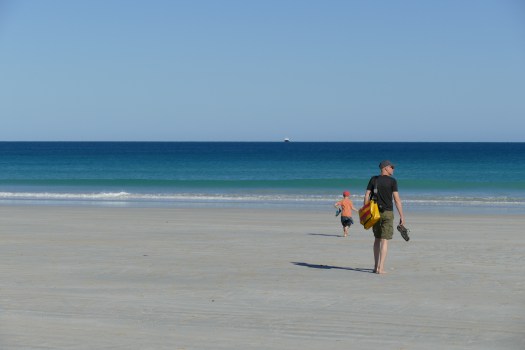
Cairns, being Queenslands fifth most populous city, was quite a new experience for us. Highways, traffic lights, congestions, and lots of people, including tourists from overseas. From our campsite on the outskirts, surrounded by rainforest, we drove into the city centre several times, went shopping (many of our clothes are simply used up), strolled along the beautiful Esplanade, enjoyed meals at cafés and restaurants. It is always amazing how quickly we get used to the comforts of civilisation and accept narrow campsites, light pollution and crowds.


One day we drove up the steep but very picturesque Reservoir Road up to Lake Morris, which is the major water supply for Cairns (Copperlode Dam).

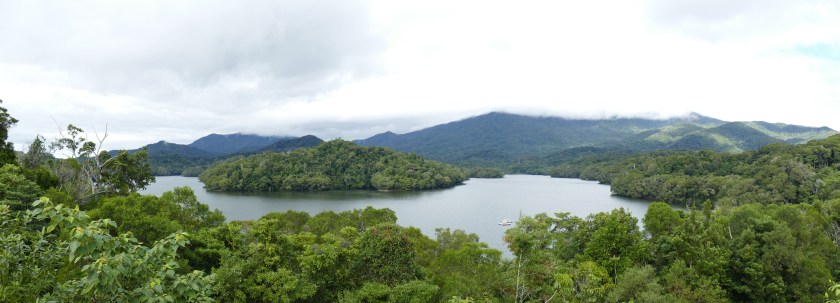
The road follows the face of the Whitfield Range and gave us magnificent panoramas over Cairns from different lookout points. Another lovely spot we found a few kilometres from our camp ground into the Redlynch Valley, where we explored the Crystal Cascades at the upper Freshwater Creek. We walked along numerous waterholes and waterfalls, but since the sun already had disappeared behind the mountains, a bath in the cool waters was not tempting. A truly magical place hidden deep in the rainforest.

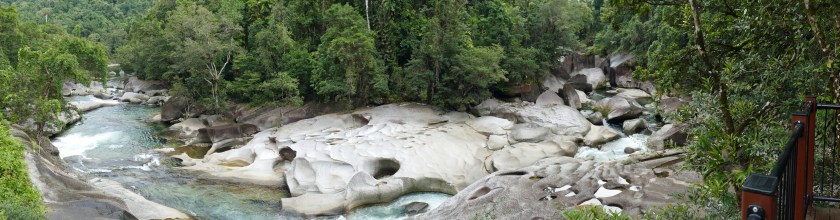
After five nights in Cairns, we drove south and spent the next night at Babinda Boulders, lucky to get a spot at this free and very popular campsite. We arrived in the afternoon, with the sun still shining on the crystal clear water and I jumped into the cool water for a refreshing swim. It was amazing, having the pool almost to myself (too cool for most of the people).


Further down the stream, the creek is lined with huge boulders. We walked along the pathway early next morning and were impressed by its beauty. The Babinda Boulders also holds great significance for local Aboriginal people. The call the place The Devil’s Pool, and according to the legend a beautiful girl, married to a respected elder from her tribe, met a handsome young man and they fell in love. Realising the adulterous crime, they were committing, the young lovers escaped their tribes and fled into the valley. They got caught, but the girl broke free and threw herself into the still waters. Her anguish cries for her lost lover turned the still waters into a rushing torrent and huge boulders were scattered around the creek, where the girl disappeared. Here spirit is believed to reside here today – she continues to call for her lover to return, enticing wandering travellers, especially men. Over the years, a number of young men have drowned on this very place…
We continued our travel to Paronella Park, another popular attraction of the area. It’s where the Spaniard José Paronella in the 1930s fulfilled his dream of building a castle surrounded by picnic areas at the lakeside, tennis courts, tunnels and bridges. It was meant as a sort of amusement park for the people of northern Queensland, and he certainly succeeded, getting a lot of attraction having North Queensland’s first hydroelectric plant. Unfortunately, regular floods and the use of wrong sand for the cement resulted in the place turning into ruins after two decades, and looks today much older than it actually is. Wandering around both at night and in daylight, we were fascinated by the fantasy, the love for detailing and the understanding of landscape this man must have had.


South Mission Beach was our next stop. We rented fatbikes one afternoon and had a lot of fun cycling on the beautiful beach.


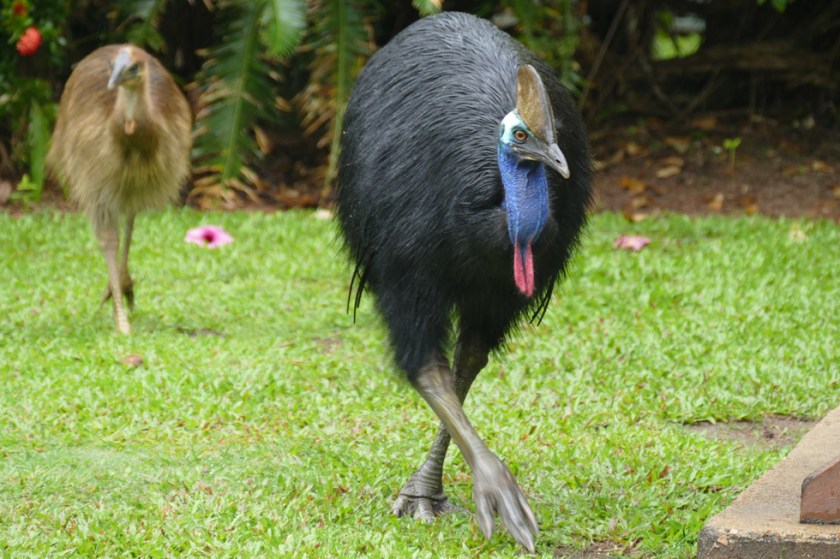
And we were lucky finally seeing cassowaries, the first time along the road while driving, the second time from close hold on the campground, wandering around next our tent.
We visited Tully Sugar Mill and learned about how sugar cane turns into brown sugar. We had seen the sugar cane being harvested all over Northern Queensland and being transported to the mills via the cane railway system. The factory reminded me more of a steamy, smoky and very noisy monster, than of a place where food is being produced. Men in dirty overalls looked more like machinists, which they indeed are, repairing and fixing the shredders, evaporators and centrifuges where needed. We got to taste still warm brown sugar, straight out of the centrifuge, and it tasted good!


Instead of driving all the way down to Wallaman Falls as originally planned, we decided to drop them and instead head westwards along the Kirrama Range Road. Driving along the steep and narrow road, with beautiful lookouts along the way, crossing small creeks and waterfalls, was stunning.
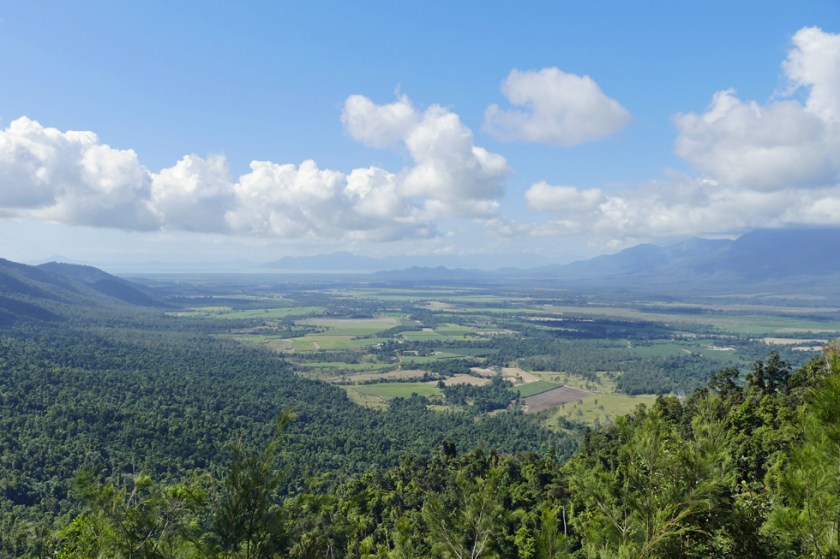
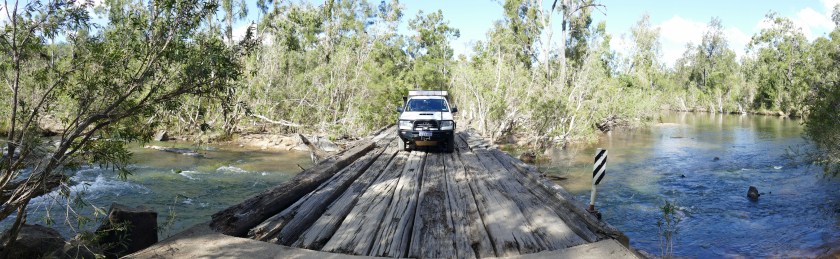
After a couple of hours through the mountainous forest, the landscape changed to open grassland savannah as we approached Blencoe Falls. The first lookout down Herbert River Gorge was beautiful, but the second, over Blencoe Falls, left us speechless. We were simply not prepared, didn’t know what to expect, and the view blew us away! It was the closet we ever got feeling like a bird.


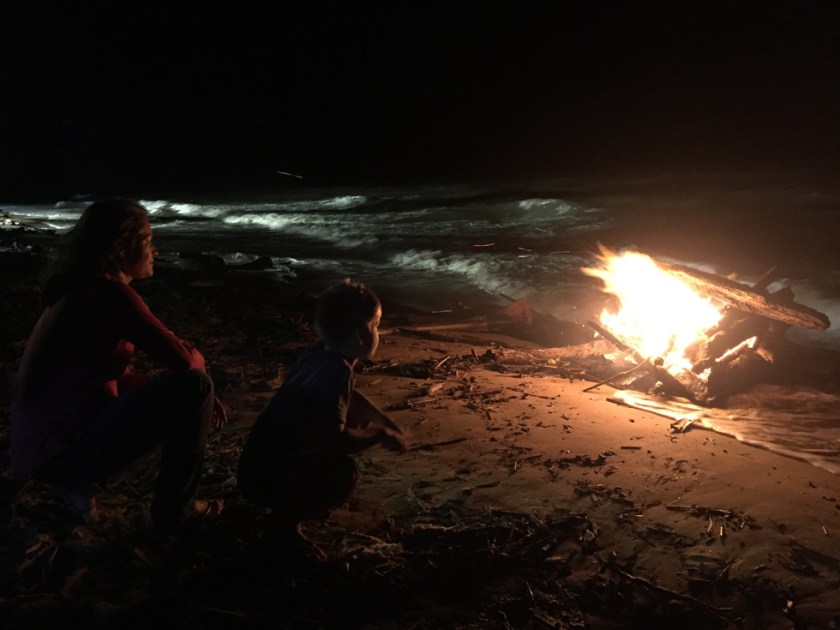
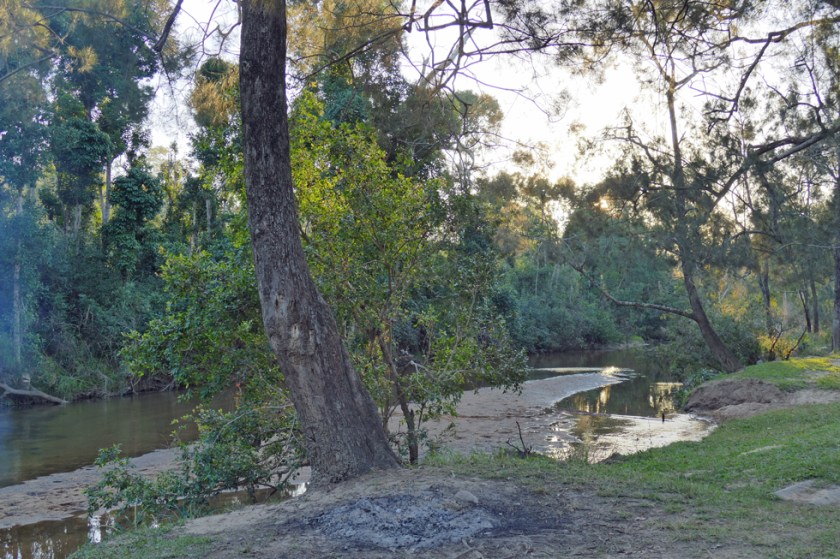
We found a beautiful spot along Blencoe Creek where we put up our tent, being all by ourselves. We felt so lucky, seeing so much beauty on our very last days in our car. Robin played in the creek, we put up the tent and swag, lit a campfire and then made dinner. The night was cold but the starry sky as bright as ever. Simply stunning.
The next day was our last whole day with our car. After seven months it is hard to imagine that we very soon will sleep inside a house again, eat our meals inside, don’t wake up with the birds. I must admit that I have very mixed feelings about getting home. Not so much because of everyday life, but because of losing this direct and constant contact to nature. Waking up every morning before the sun gets up, watching the sky slowly getting lighter, the nature around me coming to life. Preparing the first cup of coffee and sitting down with it, losing myself in the surroundings, becoming a part of it. I know it won’t be possible to maintain this once we’re back home. But luckily, living in Norway still gives us lots of opportunities to experience this in between work and school and other duties!
On our last day we followed the road up to Mount Garnet, where we had come through a couple of months ago. Instead of driving across the Tablelands again, we took off and drove through Wooroonooran National Park, or Misty Mountains, as they’re also called. We didn’t feel like spending the last night on a commercial camp ground and chose to spend it in the middle of the rainforest.
This is the way we like it best. 

 RCD on Walkabout
Hi guys, Just had a last look at your blog and noted again some interesting places and stays for us to visit next time we are on the road (ta!). Have a safe trip back home and remember the world is a book and those who do not travel read only one page. Greetz from Perth, Johan & Bo
LikeLike
Thank you so much for your good words – couldn’t agree more! Have already started talking about our next trips the coming 2-3 years 😁 Take care and safe travels!
LikeLike