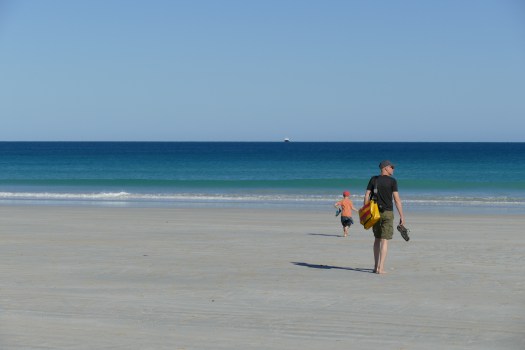
The Red Centre

UluruTravelling in the Red Centre to places like West MacDonnell Ranges, Uluru and Kata Tjuta came almost as a little shock to us. After many days in remote outback areas, having the road and campsites to ourselves, we were suddenly met by lots of travellers from Asia and Europe in their big motorhomes, crowded campsites and parking lots at the different sights. It’s easy to understand though why so many choose to travel here – it’s here in the Red Centre where you find the most known, most photographed and most iconic attraction of Australia: the Uluru. Or just the Rock, as the Aussies often call it.
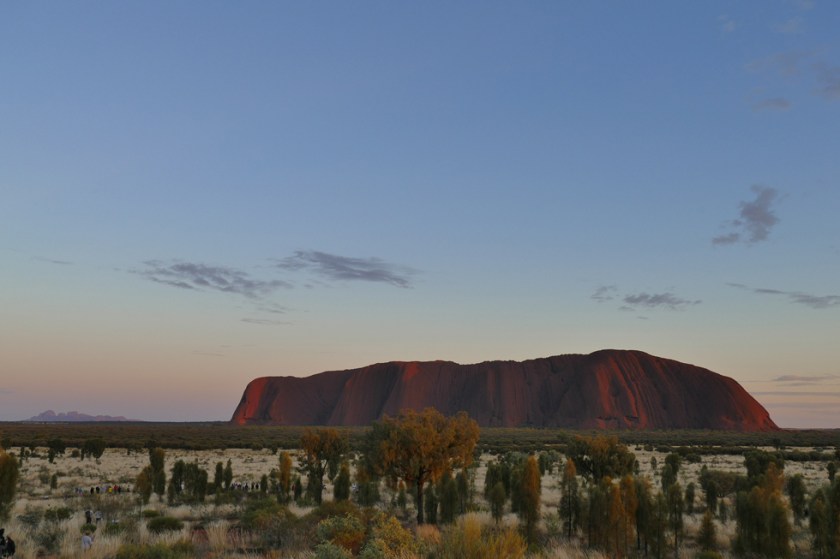
Sunrise at Uluru
Sunrise at Uluru together with hundreds of other tourists


But before we got that far, we spent some days in the West MacDonnell Ranges, visiting Glen Helen, Ormiston and Redbank Gorge. At Ochre Pits we went to see the colourful cliffs where Aboriginal people obtain different coloured ochres. Aboriginal people use ochres for ritual body decorations, and the ochres are also considered to have magical properties and are used as medicine. We continued to Gosse Bluff, a spectacular crater that formed when a comet crashed to earth some 140 million years ago. We were quite impressed with the dimension, the diameter of the crater being about 5 kilometres.
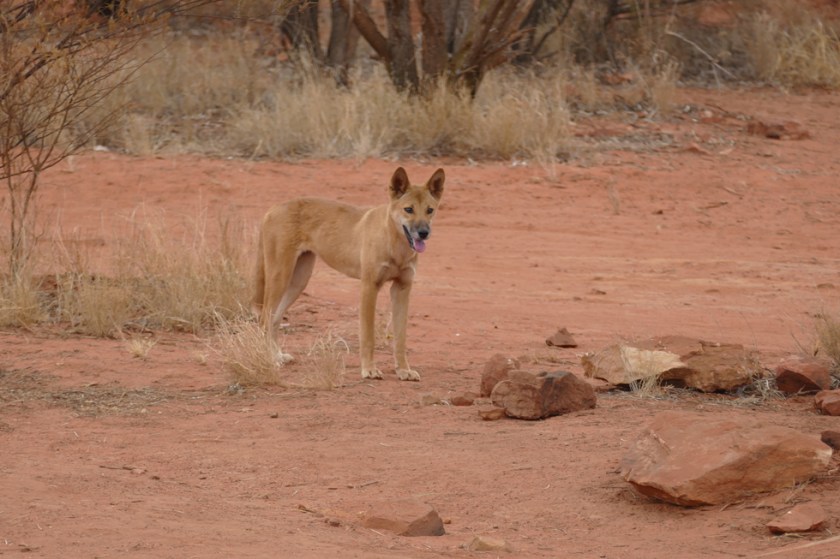
Dingo
We met a dingo on our way

In Hermannsburg we visited the historic mission settlement, first settled by German Lutheran Missionaries in 1877. Hard to imagine what life was like in those days, as we wandered about the whitewashed walls of the church, school and other restored houses.

Mission in Hermannsburg
The historic mission settlement in Hermannsburg


We didn’t feel like staying at this Aboriginal community and drove on to Palm Valley, an outstanding 4WD destination. There we stayed at the most beautiful campsite, did some great walks and relaxed in these beautiful surroundings.

Next stop – one of the must-sees in the Red Centre – was Watarranka National Park with Kings Canyon. There is only one campsite in the area, which means they can pretty much do as they like. We felt it was quite a tourist trap, expensive and not the best service. We had hoped to get some food at their little supermarket, but the fridge in the shop was out of order, so they didn’t get any supplies. Of course, the guests are welcome at their restaurant… Luckily, we had just enough food to make it through the next couple of days, but I really missed some fresh fruit and veggies!
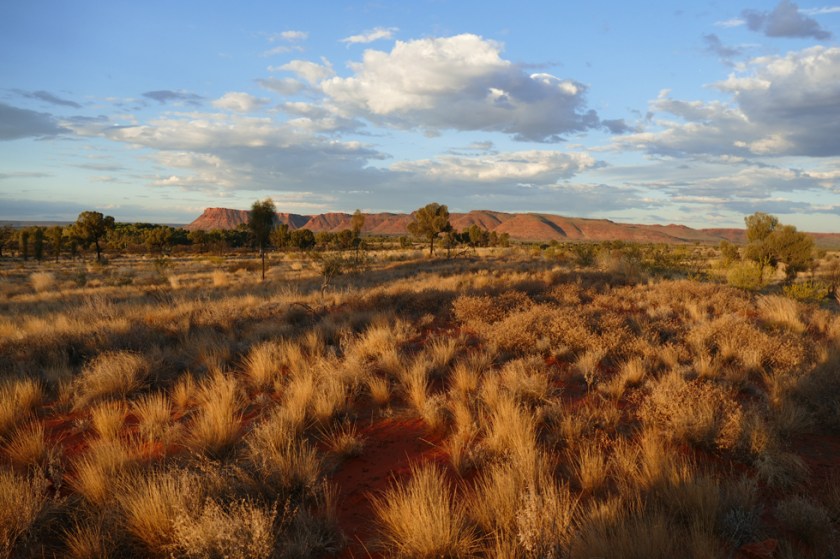
George Gill Range
George Gill Range from Kings Canyon campsite


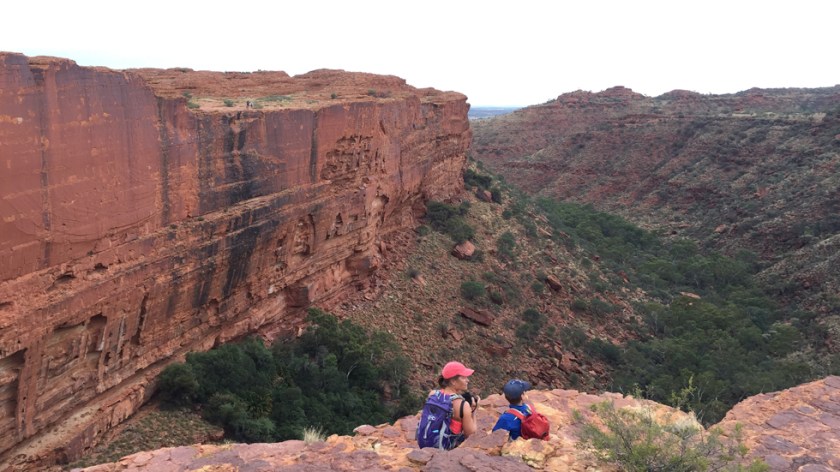
One morning we did the stunning Kings Canyon Rim Walk, starting with a steep climb up tough rocky steps to the rim of the canyon, from where we enjoyed fantastic views. We walked through the massive weathered domes of the so-called ‘Lost City’ and admired the soaring red cliffs rising 100 metres above the surrounding plains.
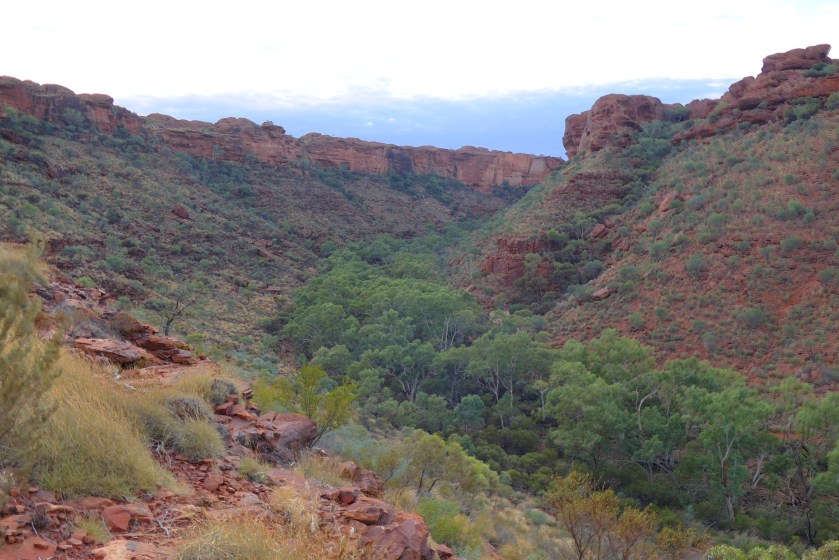
Entering Kings Canyon
View from the north rim in Kings Canyon
Enjoying the view
Enjoying the view


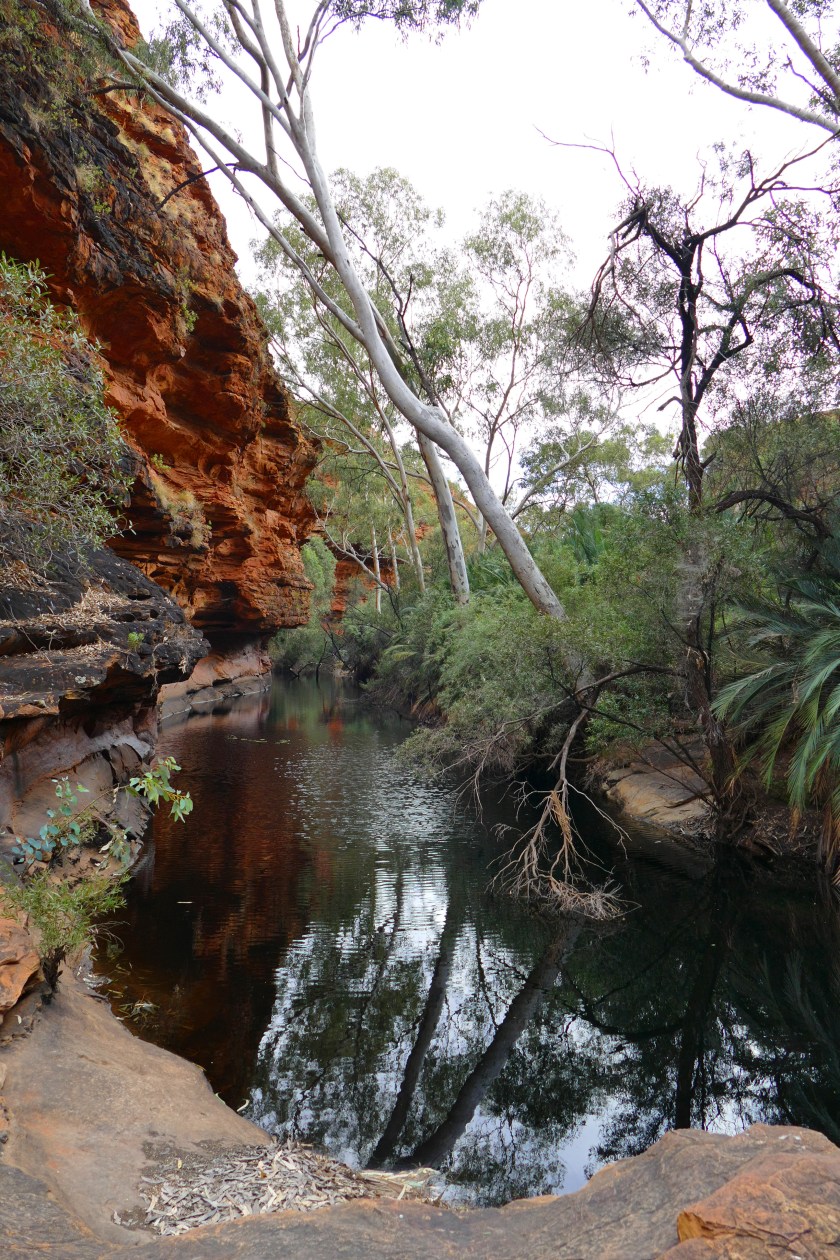
Garden of Eden
Garden of Eden in Kings Canyon


On our way to Yulara, the tourist town next to Uluru, we stopped at Karrke Aboriginal Cultural Centre, where we did a one hour crash course in Aboriginal culture. We watched spear and boomerang displays, learned about bush tucker and bush medicine, local languages and dot painting.

The small town of Yulara was established in the eighties to cater for the ever increasing numbers of tourists. We were very positively surprised, not only by the town itself, but most important by the fact that the town seems to be run mainly by the indigenous population. There is information about their culture everywhere, signs are written in English and their own language, indigenous rangers do tours telling about their history. When travelling to Uluru and Kata Tjuta, it is very important in my eyes to know about the significance of the creation story. I will not go too much into details, but I would like to tell you this: The land was created by the creation ancestors. In their travels they left marks in the land and made laws for the indigenous people to keep and live by. The details of their activities and travels have been taught in stories, songs dances and ceremonies. When the Aboriginal people travel across the land, they can see the physical evidence of the activities of the ancestral beings and use them as landmarks to find their way. Some of these places are sacred. That can mean that we as foreigners are not allowed to go there, or sometimes should not take pictures. I find it easy to respect that and wouldn’t ignore their wishes. I find it on the other hand very hard to understand why still so many people chose to climb the Uluru. The Anangu people ask very clearly that we respect their wishes, culture and law and don’t climb it. Unfortunately, it is not illegal yet (it will be from next year) and many people see it as their last chance to climb it.
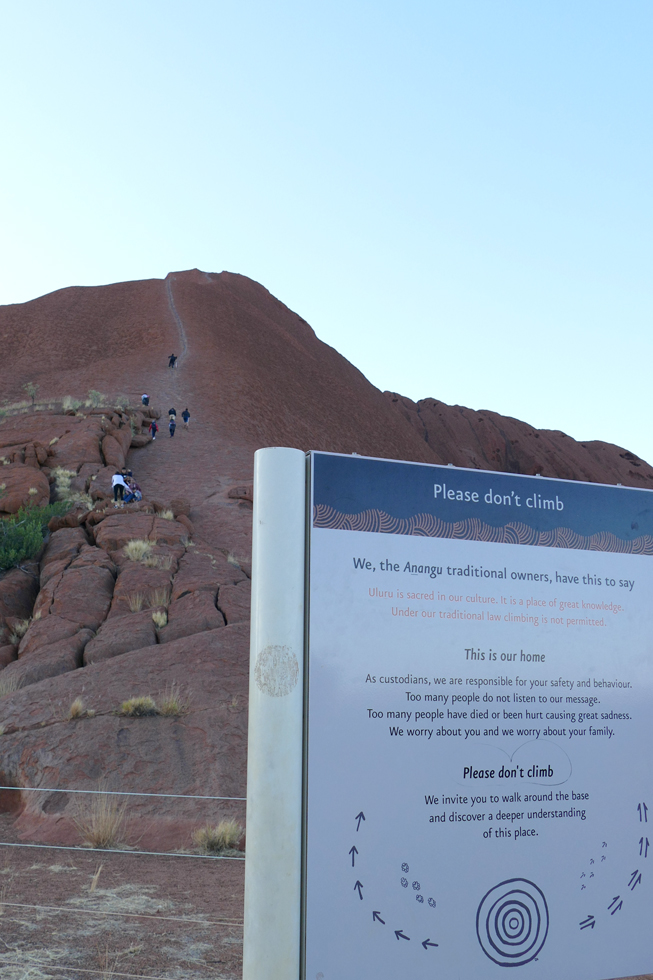
Please dont climb
Please don’t climb


We did the base walk instead, which was quite beautiful as well. At first glance, Uluru may appear as one large smooth monolith but up close we saw numerous interesting rock formations, gullies, caves and crevices. As we walked around it we tried to imagine the fact that we were not just looking at rocks and walls; we were walking in the middle of a creation story the Anangu people tell.

Even more spectacular was the ‘Valley of the Winds Walk’ through the Kata Tjutas, which means ‘many heads’. It includes 36 domes of different sizes, the highest one rising 546 metres above ground level, which is 198 metres more than Uluru. It was quite amazing to walk through this landscape of red rock, lush green valleys and stunning views.

There is plenty to do in Yulara, exclusive outdoor dinners, dot-painting courses, balloon flights etc. We chose to ride on camels one evening and went on an unforgettable helicopter flight the other. Everything costs a lot of money, but I guess it is only once in a lifetime that we’re here, so we didn’t want to miss out on something. We’ll soon enough get back to our pretty simple and modest lifestyle.
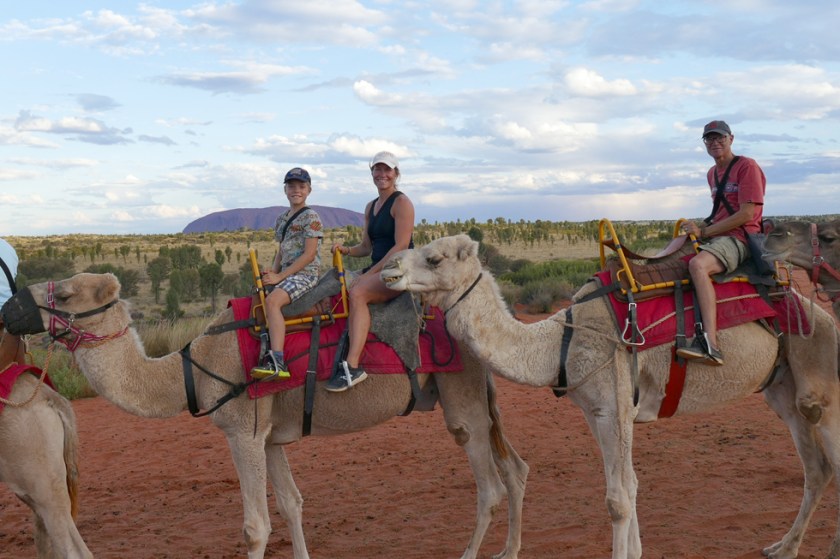
 

Riding passed Uluru
Riding on the back of a camel
Ayers Rock Helicoptres
Ayers Rock Helicopters is taking us on a sunset flight
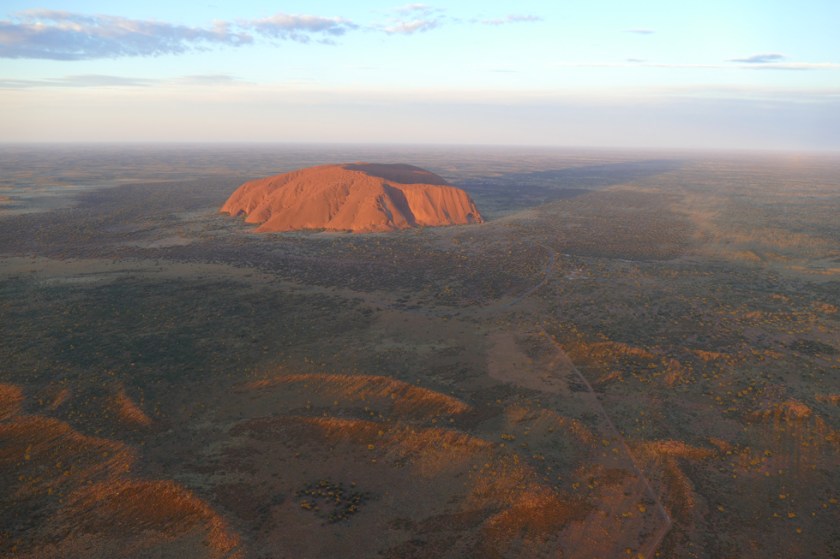
Uluru from the air
Uluru with its very long shadow
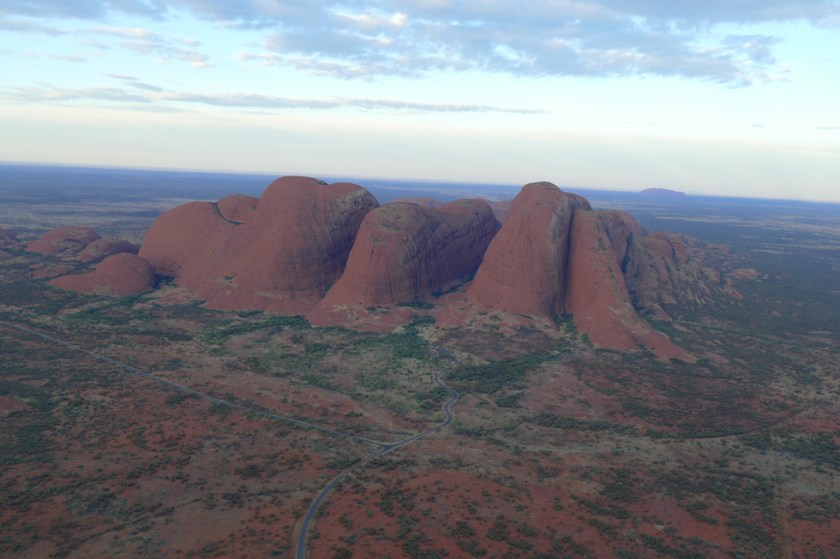
Kata Tjuta from the air
Kata Tjutas with Uluru in the horizon
Sunset
End of the day


Crossing the desert

DesertAfter the West Coast, the next destination on our trip was the Red Centre and there are two ways of getting there. Either driving further up along the coast to Broome, then inland to Halls Creek and along Tanami Road to Alice Springs. All on pretty good roads, with gas stations, shops and other cars along the way, approximately 2300 kilometres. Or crossing the Gibson Desert from Marble Bar to West MacDonnell National Park. Really remote but only around 1000 kilometres. We chose the shorter way, even if that meant days without seeing many other vehicles, unsealed roads, no comfort like toilet or shower, no mobile phone coverage. It took us some more planning, but we got many good advices from our friends in Melbourne that had done the same trip a year ago. We got the necessary permits to transit Aboriginal Land (one for Western Australia and one for Northern Territory), enough food and water for six days, figured out how far we could drive each day and where to get diesel. We felt well prepared and were looking forward to getting started.

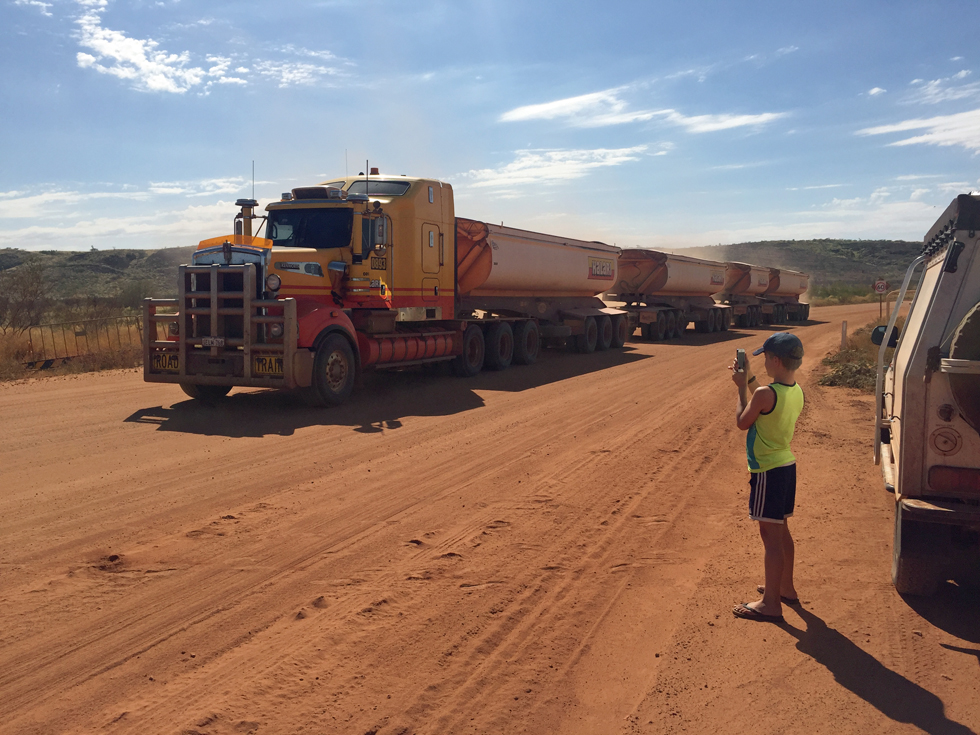
Telfer RoadThe first part from Marble Bar was on bitumen roads due to mining activities in the area. We met many road trains and service cars, but no other travellers. After passing the last mining site, we continued on a good gravel road until Punmu, our first Aboriginal Community. We didn’t really know what to expect – the map told us that there would be a gas station, shop and possibility to stay overnight. Driving into the village was not a nice sight, garbage and car wrecks everywhere, rundown houses. We found the shop and went in, adults and children were hanging in front of it, curiously looking at us. The lady behind the counter, a white Australian, seemed surprised when she heard that we were planning to spend the night in the area. She sent us over to the office, where her husband, the community’s manager, would get some diesel for us.
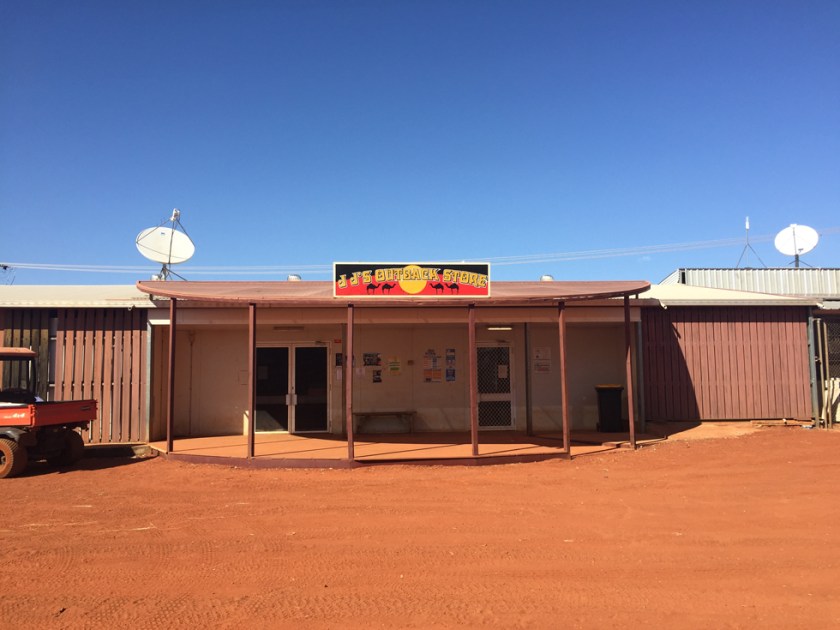
Gas station in Punmu
The gas station in Punmu

He was a talkative guy, telling us about how busy the last couple of weeks had been. There had been many break-ins in houses and cars; he explained it with the fact that it is school holidays at the moment. There are 70 people living in this community and they break in to each other and steal from each other. We couldn’t imagine how it must be to live here. One thing was very clear to us though: we would not stay anywhere near this community for the night. After filling diesel at a locked-up tin shed and driving back to the shop to pay, we drove another 70 kilometres to a nice spot close to Lake Auld, one of several salt lakes in the area.

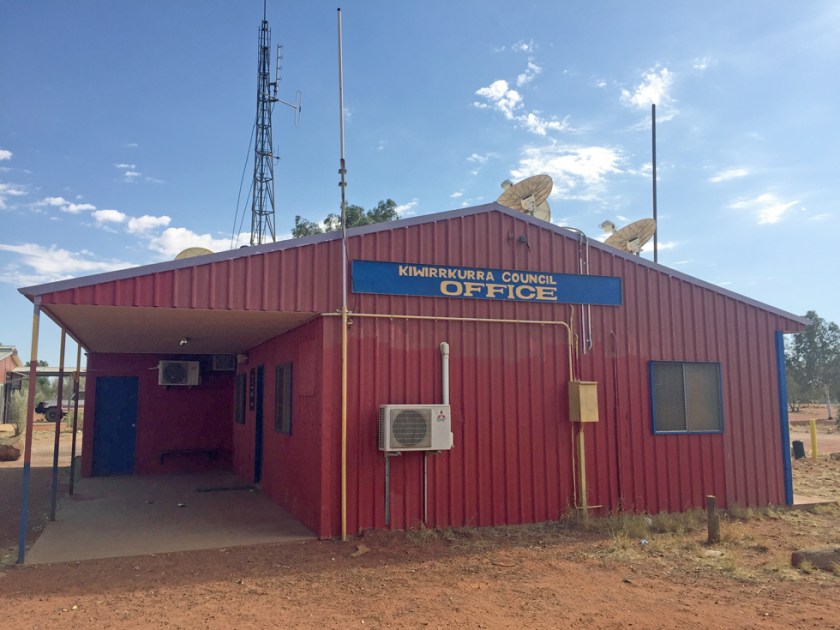
The coming days we stopped at two other remote communities, Kunawarritji and Kiwirrkurra, and got a better impression there. The procedure of refuelling the car was always the same, first stopping at the office and/or the shop to get in touch with the man with the keys to the pump, driving to the pump and filling, and driving back to the shop to pay.

Kiwirrkurra Council Office
Kunawarritji Outback Store
Outside the Shop
Sitting outside the shop in Kiwirrkurra
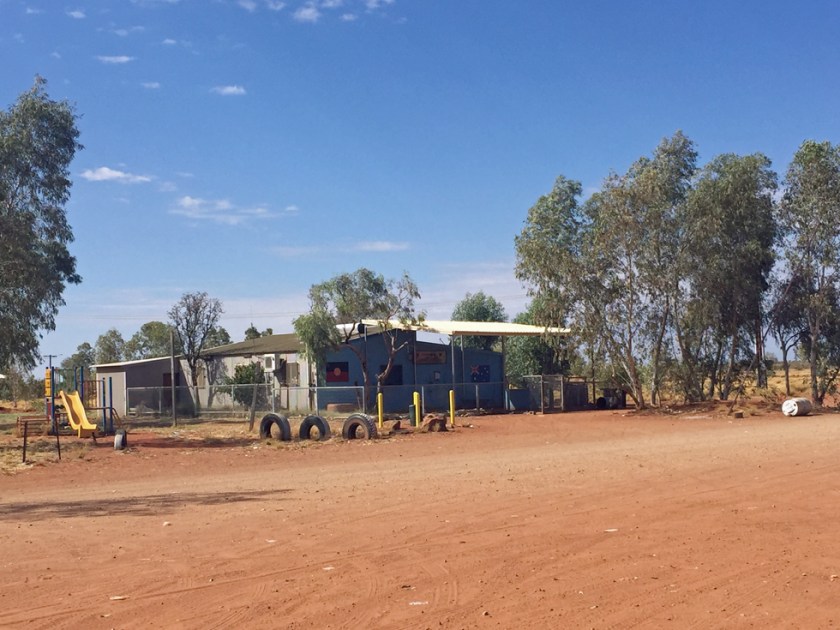
Kiwirrkurra School
Local school in Kiwirrkurra

Everything is locked up, there are bars around all the windows at the shop and office, fences everywhere, which is a clear sign that stealing and vandalism is a big problem in the communities. And why is there garbage everywhere, destroyed furniture and car wrecks? We are always advised to respect their country, take all the rubbish with us, which we gladly do! So why are they living like that? I am aware of the fact that this is a huge problem and that it will take many more years, decades probably, until the situation will get better. I am just sad to see how it is now. And I have a lot of questions that won’t be answered. But I’ll leave it at that for now.

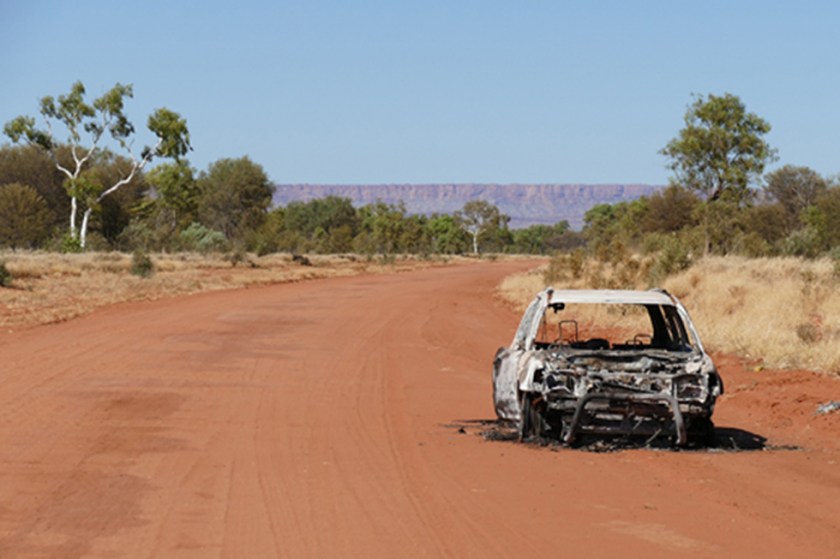
Along the road
One of many car wrecks along the road


The second night we found a nice spot at Jupiter Well surrounded by wonderful desert oaks – together with a million flies…


Preparing the camp fire
Preparing the campfire

The third night we stayed close to Mount Liebig on a beautiful site a few hundred metres away from the road. During the nights we heard the dingoes howl, a sound that reminds a lot about wolves.


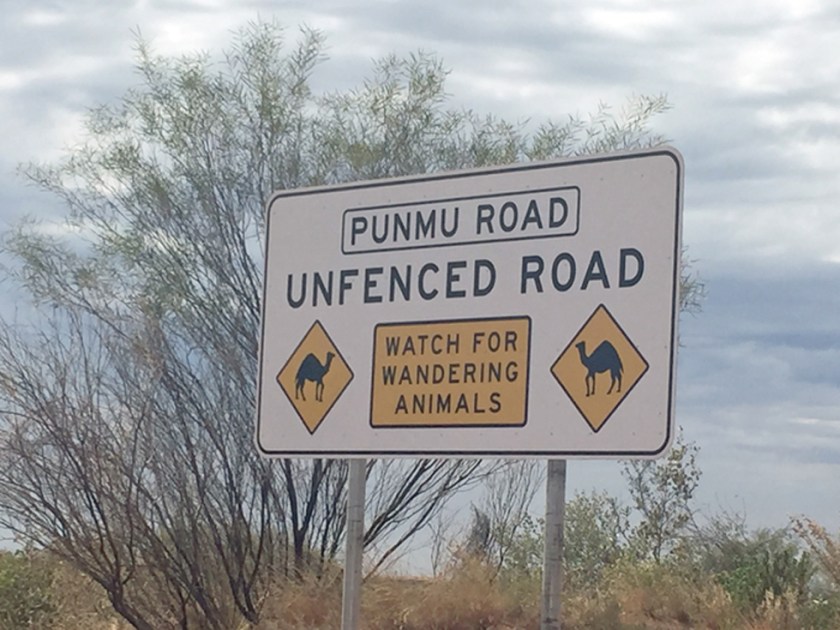
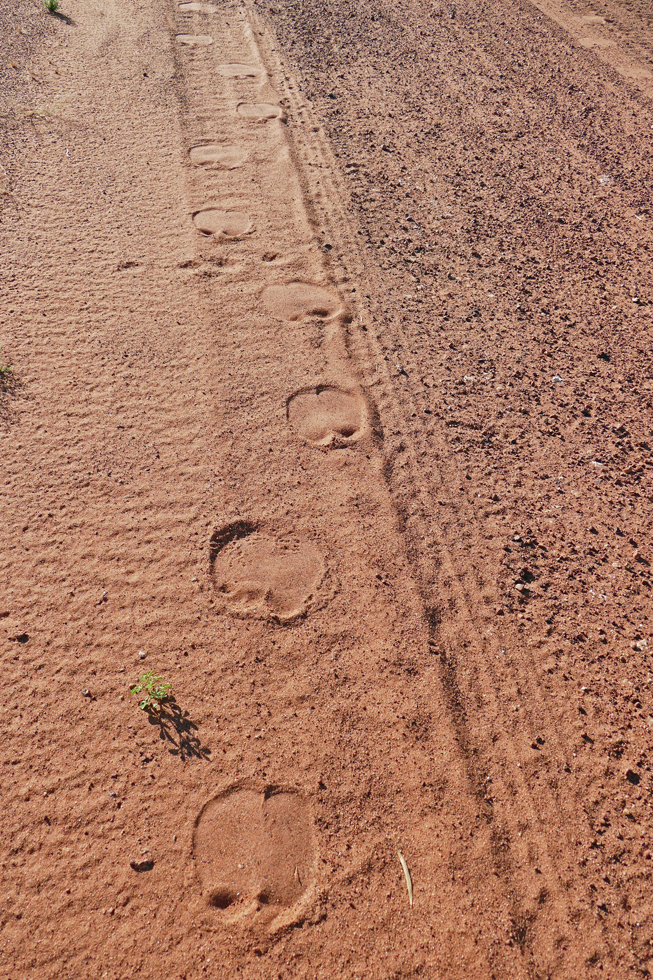
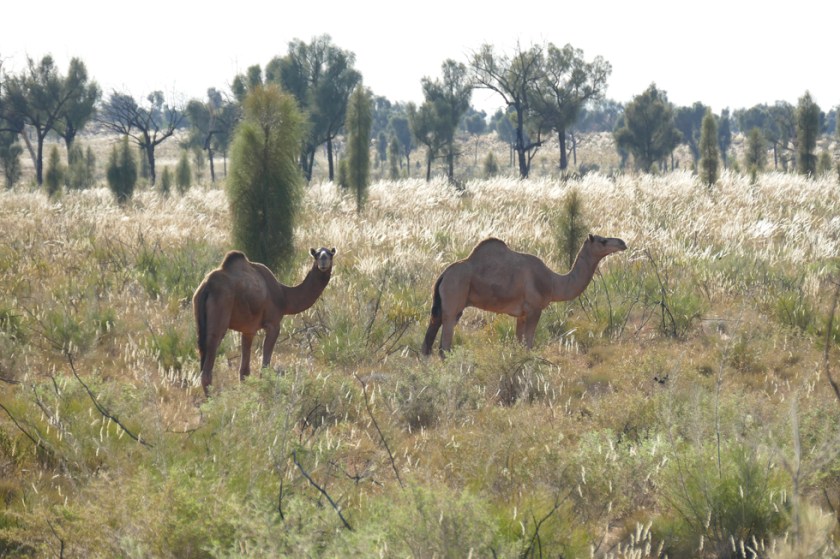
On Gary Junction Road we saw many camel tracks in the sand, and after trying to spot them for a couple of days we finally saw them on the road just in front of us. They’re wild camels descending from the camels once used when railways across Australia where built. After the work was done, the camels were released and since then they live wild in the centre parts of Australia. Unfenced RoadCamel tracksCamels on the roadCamels
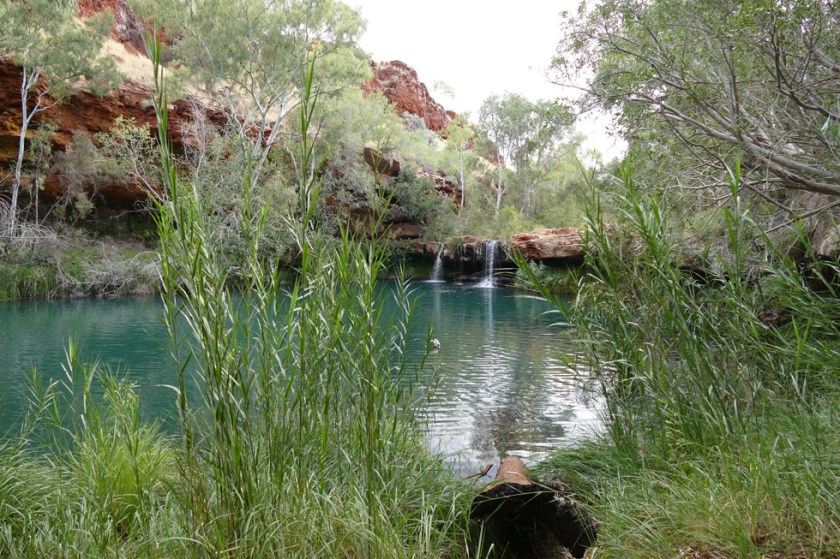
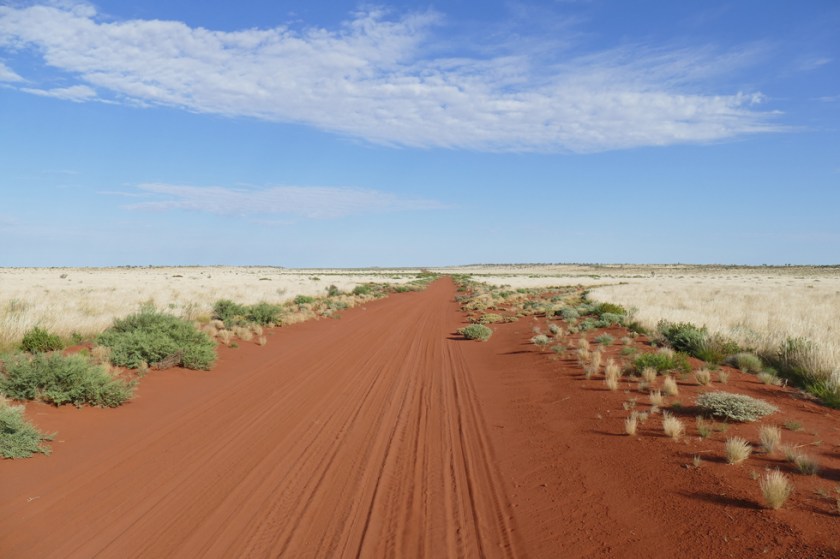
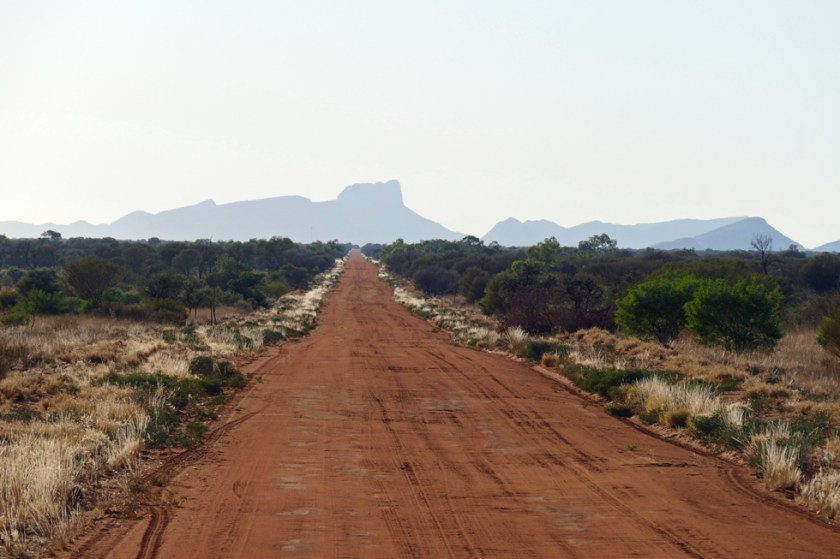
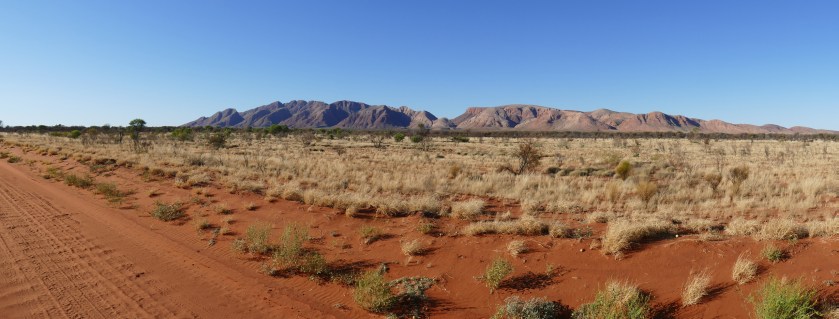
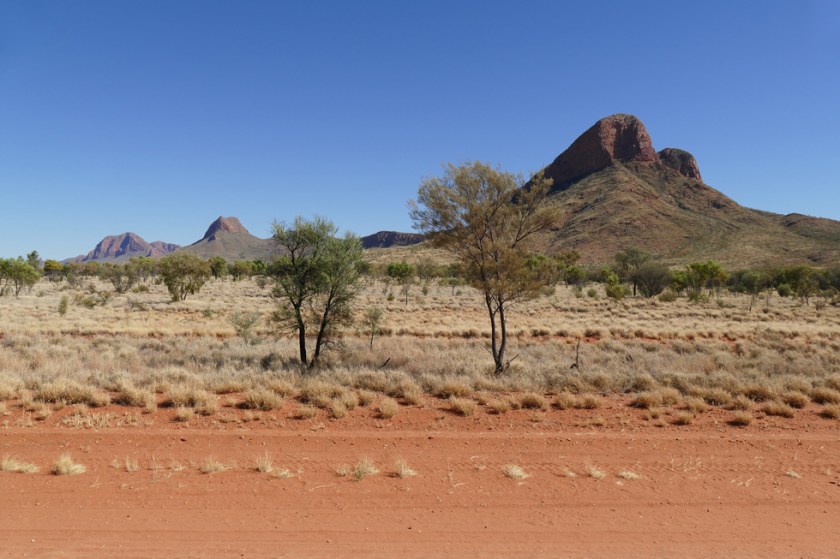
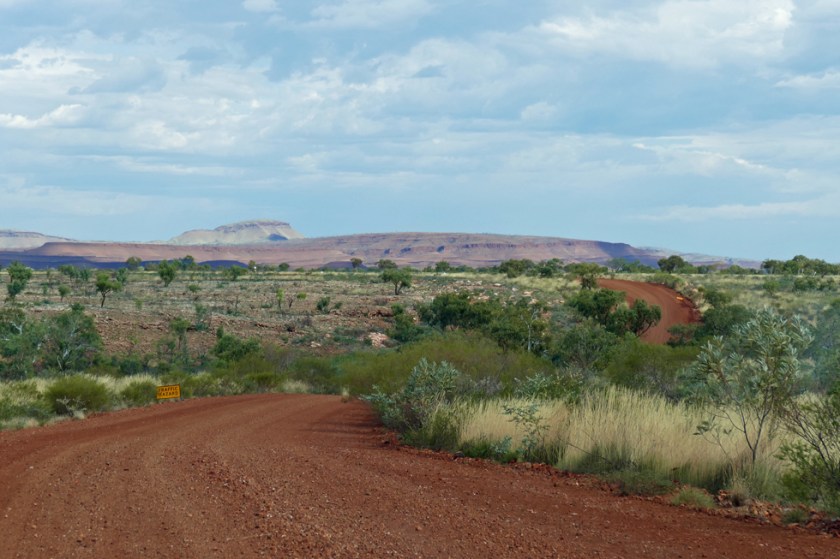
As you can see on the photos, Gibson Desert is quite different from what you first might have in mind when you think about a desert. It is surprisingly green, with low bushes and even trees growing in the red sand. The closer we got to the West MacDonnells, the more scenic became the landscape with mountain range after mountain range dominating the views. Quite beautiful!

Mount Liebig
Mount Liebig
Amunurunga Range
Amunurunga Range
Belt Range
Belt Range

We originally thought that we would spend five nights to get through to Glen Helen in the West MacDonnell Ranges, but the roads were so good, even if it only was gravel or sand, that we reached Glen Helen after three nights.


We were happy when we got there, could go to the toilet without a shovel, take a long shower and wash of the red sand, and enjoy a nice dinner at the restaurant in the homestead. But it was a great experience to cross this remote area, be completely self-sufficient for many days, again pushing our limits a little bit. And we’re relieved that all went fine, that we didn’t have any trouble with the car (only a little bit, but my two car mechanics fixed it easily!) and that we all stayed healthy during these days in the outback. I won’t forget the evenings around the campfire under the desert sky so full of stars…

Car mechanics
Dag and Robin fixing the car


Magnificent Karijini


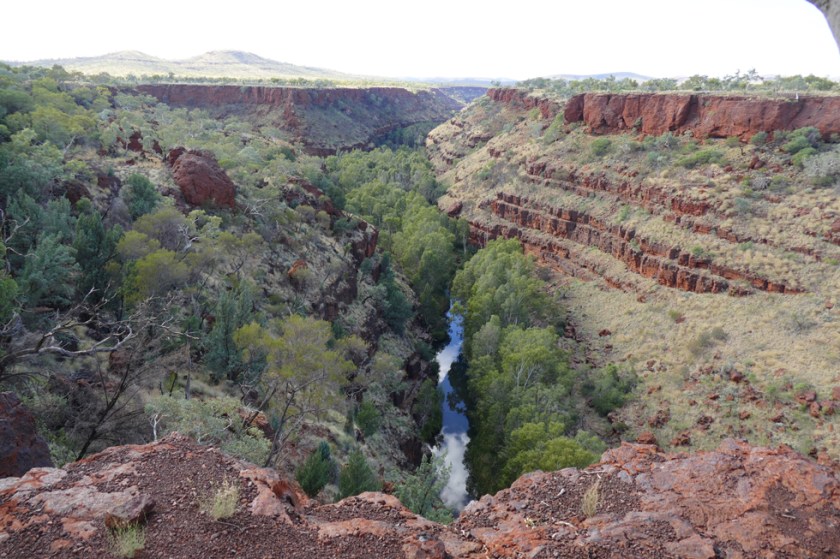
If you ever have the possibility to visit Karijini National Park in the Hamersley Range, don’t think twice. After all the places we’ve seen on this and the two previous trips through Australia, Karijini is the most stunning and impressive. Massive mountains and escarpments rise out of the flat valleys. The high plateau is dissected by breathtaking gorges, and stony, tree-lined watercourses wind their way over the dusty plain. Unforgettable hikes, wonderful baths in rock pools, stunning lookouts…


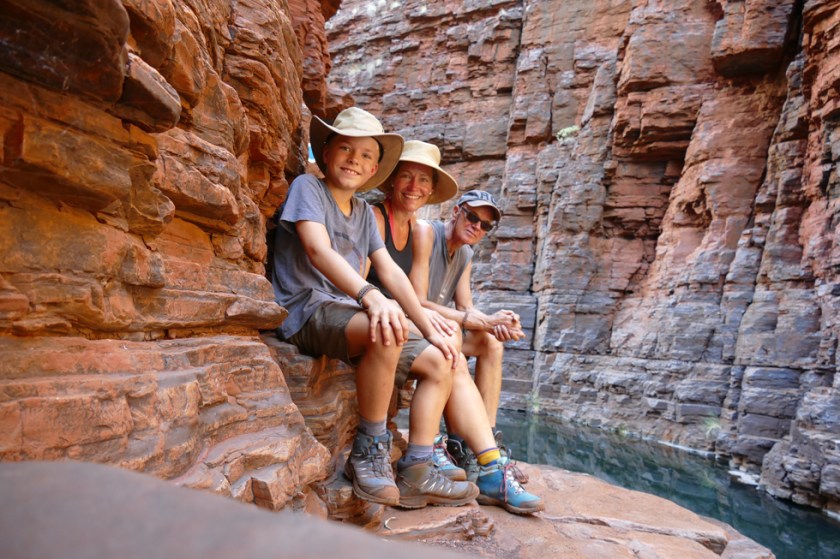
Happy hikers
Hiking in Knox Gorge


But before we got there, we visited another, much smaller national park, the Millstream Chichester National Park, which also deserves mentioning. Located along the Fortescue River, it has a landscape of rolling hills covered with beautiful Spinifex grass and Snappy gum trees, spectacular escarpments and rocky peeks. We did a short walk to mount Herbert and enjoyed a refreshing bath in Python Pool.


Towards Hamersley Range
On the way towards Hamersley Range

From there we drove to Tom Price, a charming little town in the heart of mining sites of the Pilbara. It seems like everybody living here is working in the Rio Tinto Iron Ore Mine, and everybody and everything is covered with a thin layer of red dust.

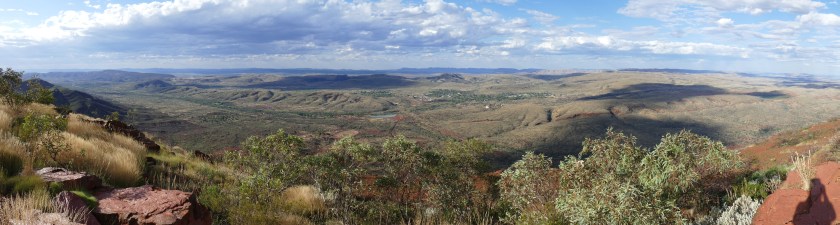
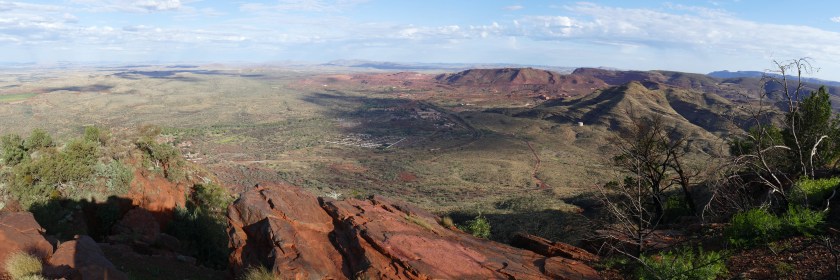
On Mount Nameless
From Mount Nameless towards Tom Price
Rio Tinto open cut iron ore mine
Rio Tinto Iron Ore Mine
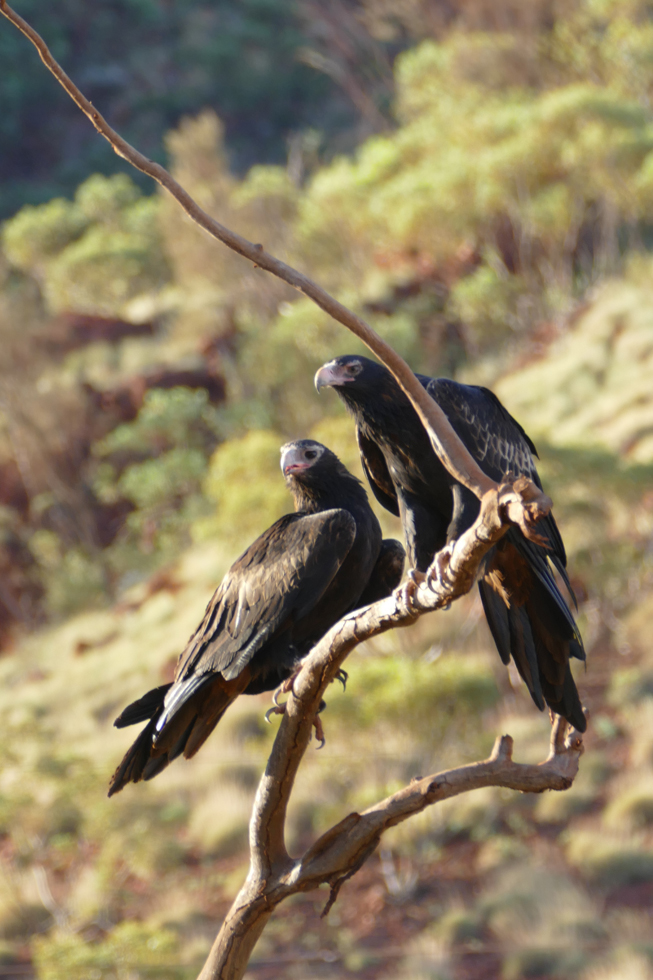
Two wedge-tailed eagles

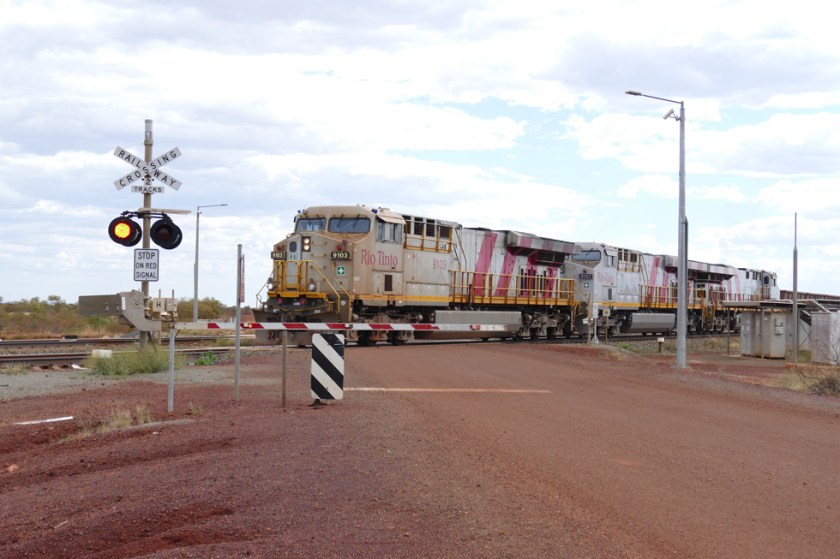
The ground is so full of iron, that a magnet coming in contact with it, is full of dirt. Robin enjoyed very much this experiment. On our way to Tom Price we crossed endless trains (we counted 232 carriages) filled with iron ore, pulled by three locomotives. Rio Tinto


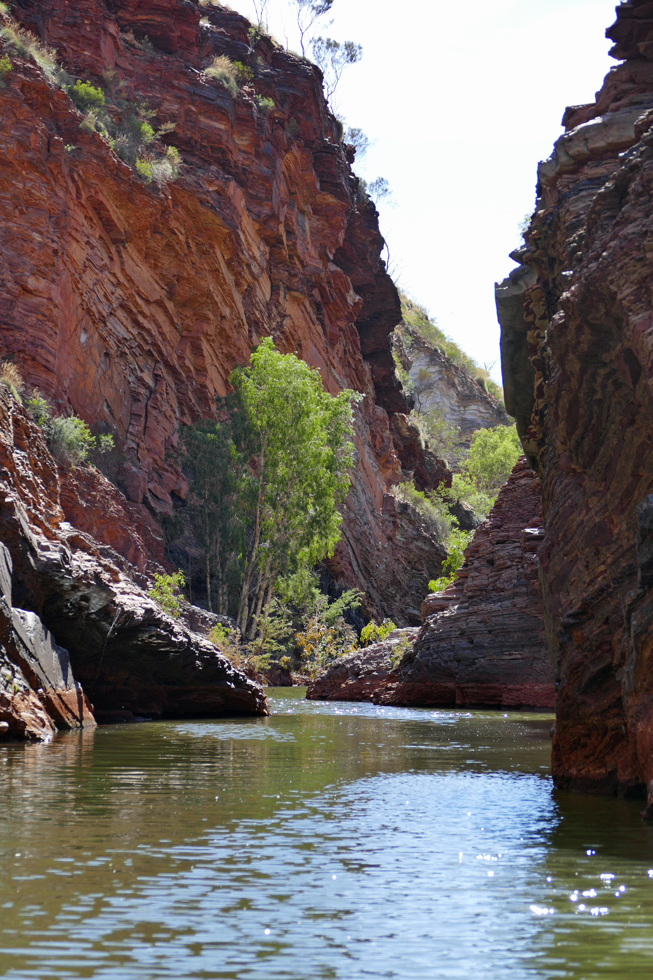
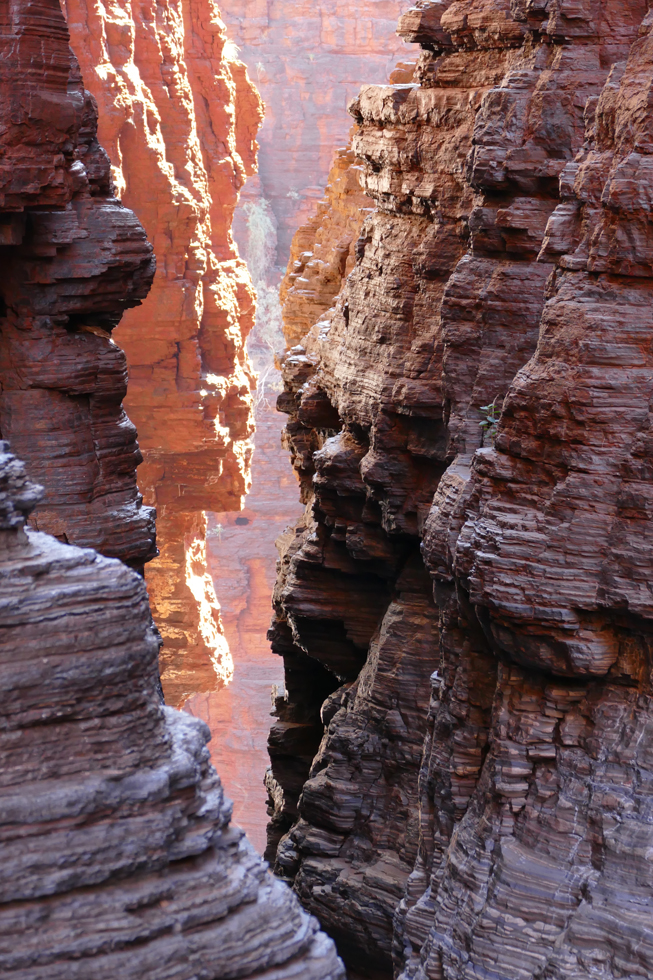
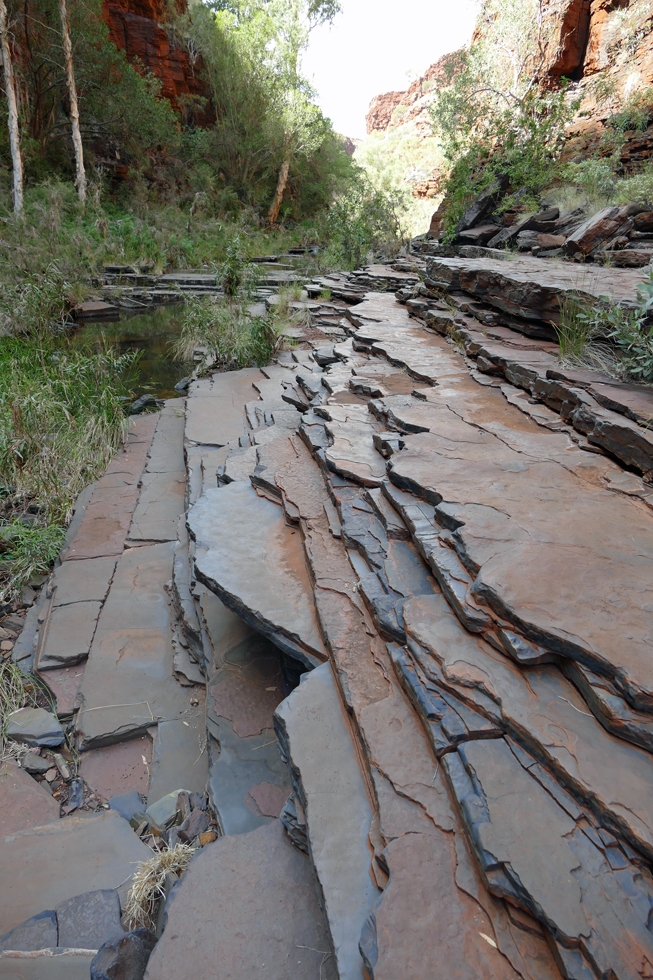
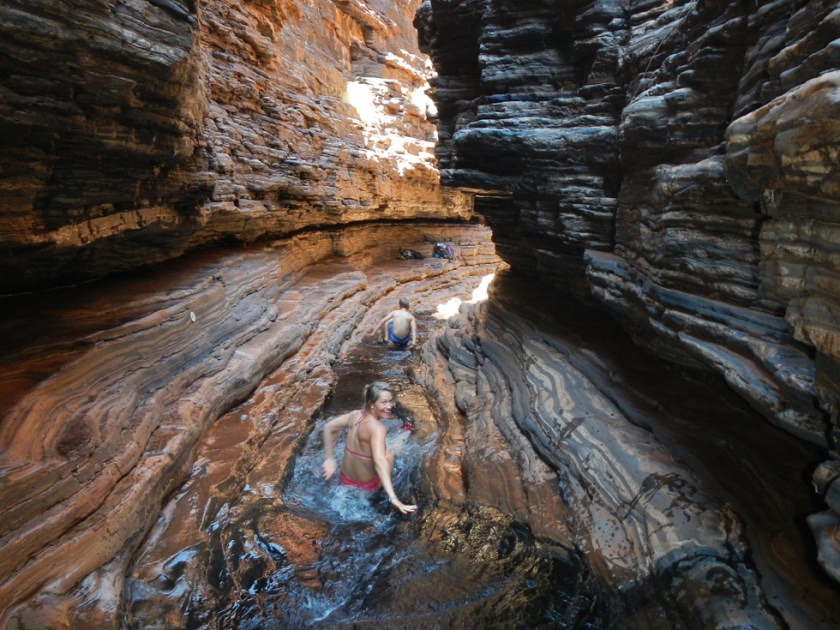
The red colour is what marks the Karijini as well. The banded iron formations exposed in many of the rocks in and around the gorges originated more than 2500 million years ago as iron and silica-rich sediment deposits accumulated on an ancient sea floor. This is really an ancient part of the Earth. Over millions of years these deposits were transformed by pressure of further sediments laid down over them, forcing trapped water to be driven out and gradually turning the sediments into tough, well- bedded rock. The result of this and later horizontal compression is dramatic colours, textures and rock formations.

Rock formations at Hamersley Gorge
Iron bands
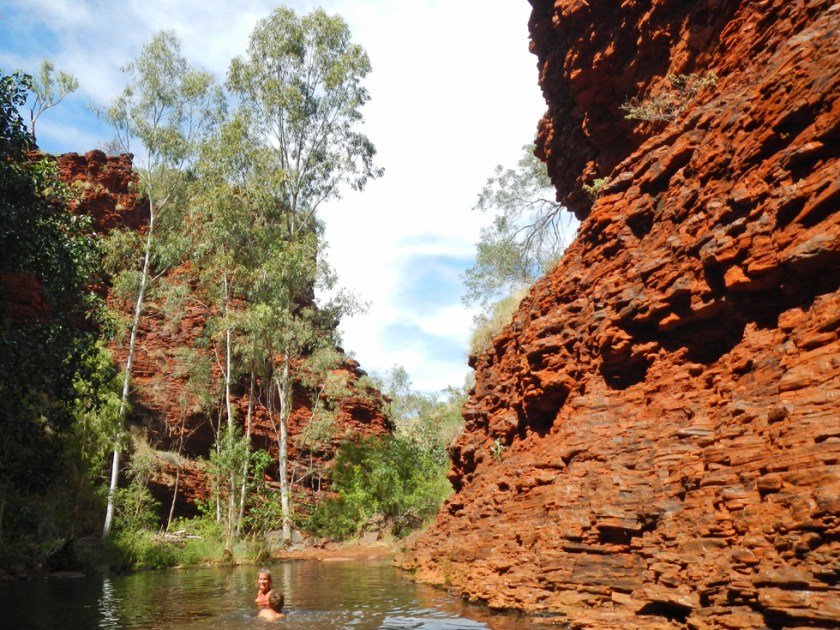
Swimming in Hamersley Gorge
Swimming through Hamersley Gorge


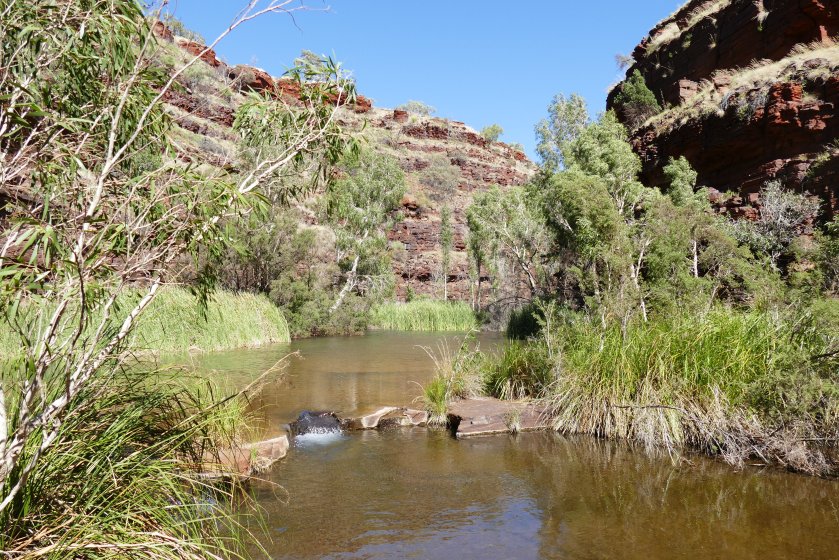
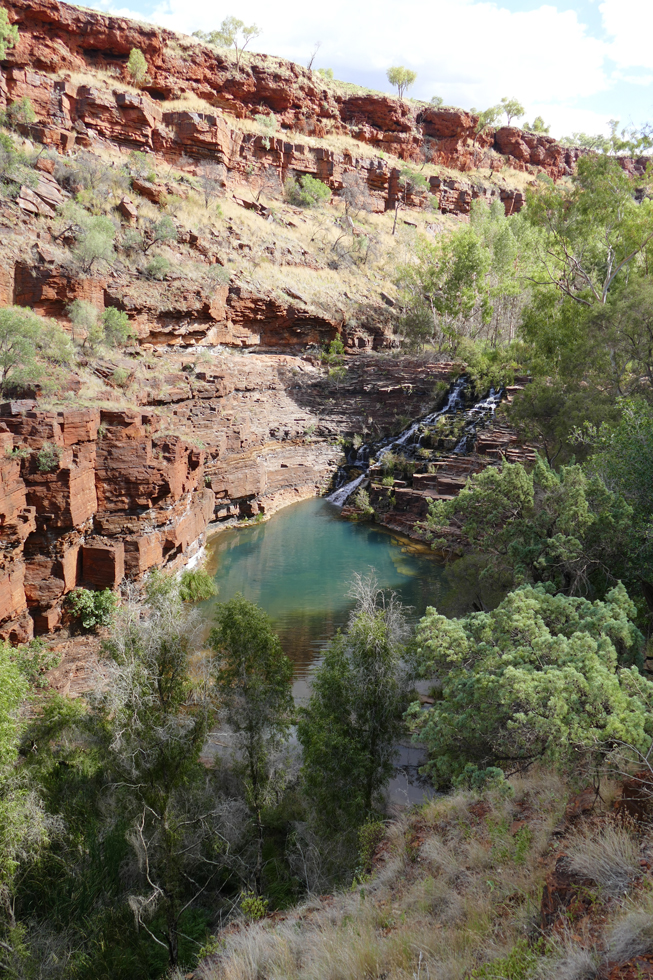
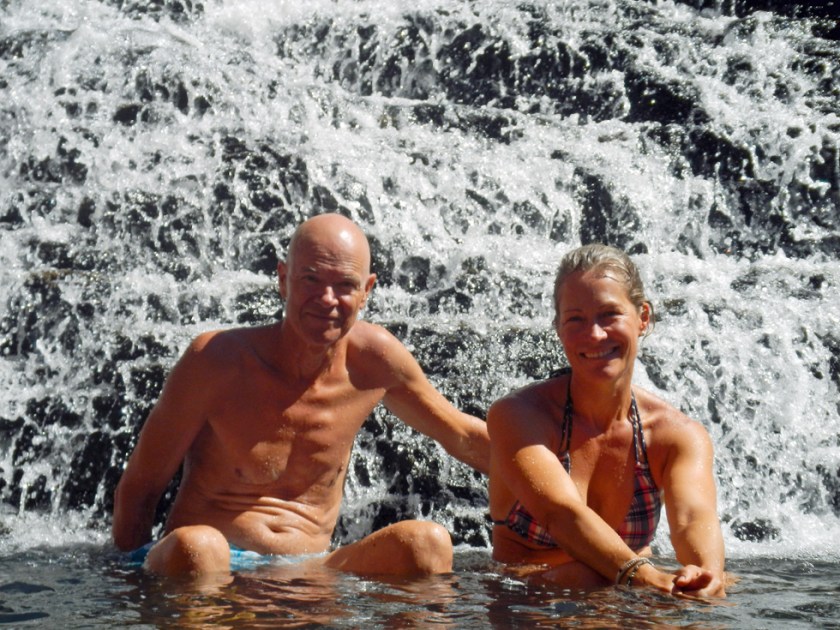
We spent all together four nights in the park, starting with two nights in the East of the park, visiting Dales gorge with its magnificent rock pools Circular Pool, Fortescue Falls and Fern Pool. How refreshing to jump into cool freshwater after a long and partly very steep hike. Robin and I had a lot of fun swimming over to the waterfall, sitting under it and getting our backs massaged.

Dales Gorge
Dales Gorge


At Circular Pool Lookout
Lookout over Circular Pool
Swimming in Circular Pool


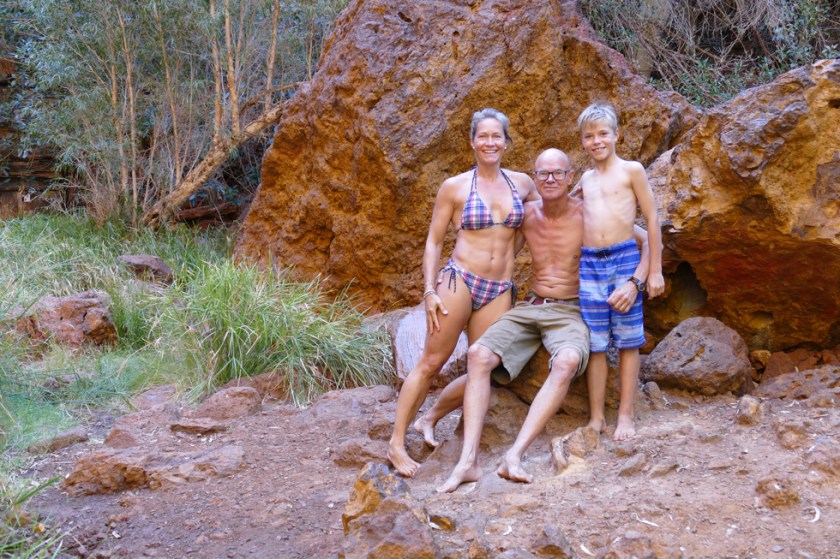
Family selfie
Family selfie at Circular Pool
Along Dales Gorge
Along Dales Gorge
Fortescue Falls
Fortescue Falls from above
Swimming in Fortescue Falls
Fern Pool
Fern Pool
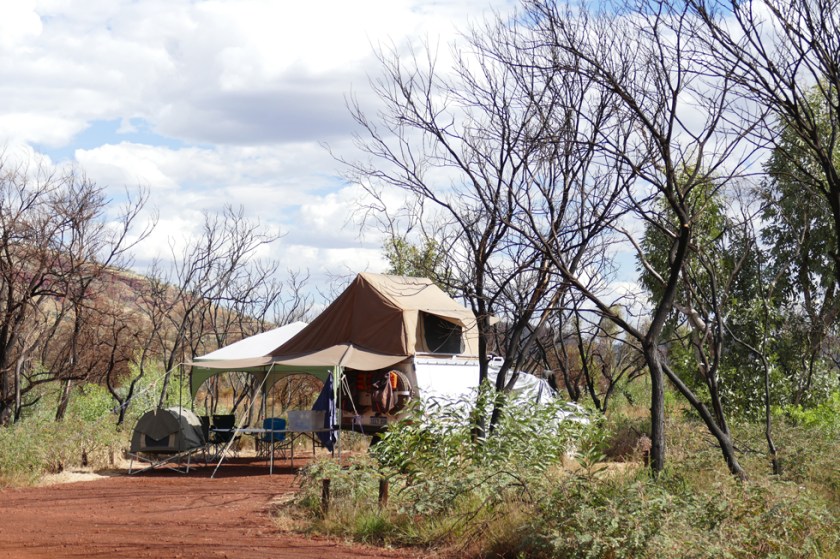
Our camp on Dales campground
Our campsite at Dales Campground


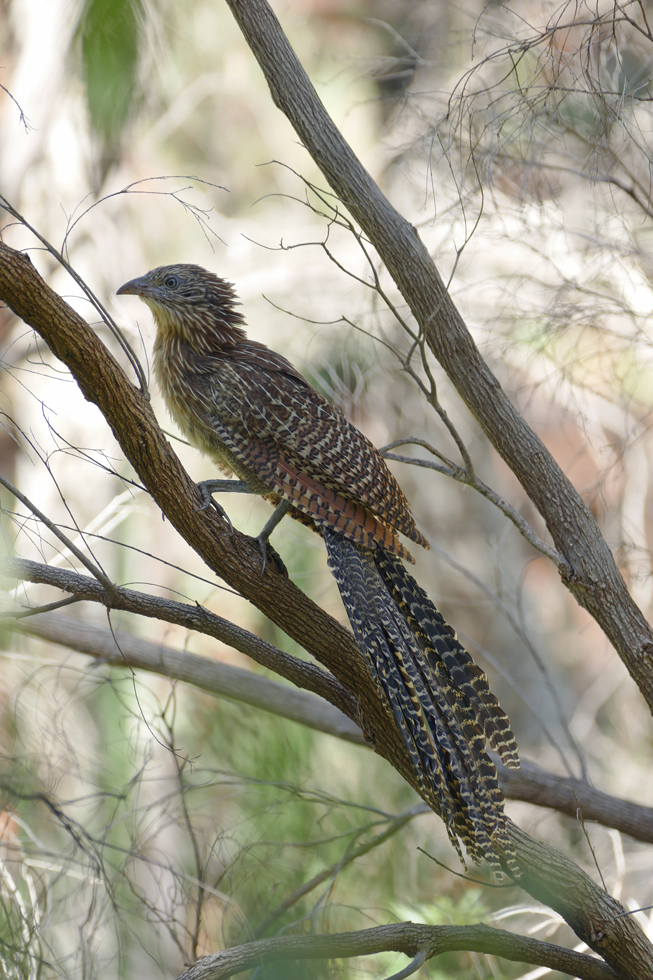
Pheasant Coucal
Pheasant Coucal


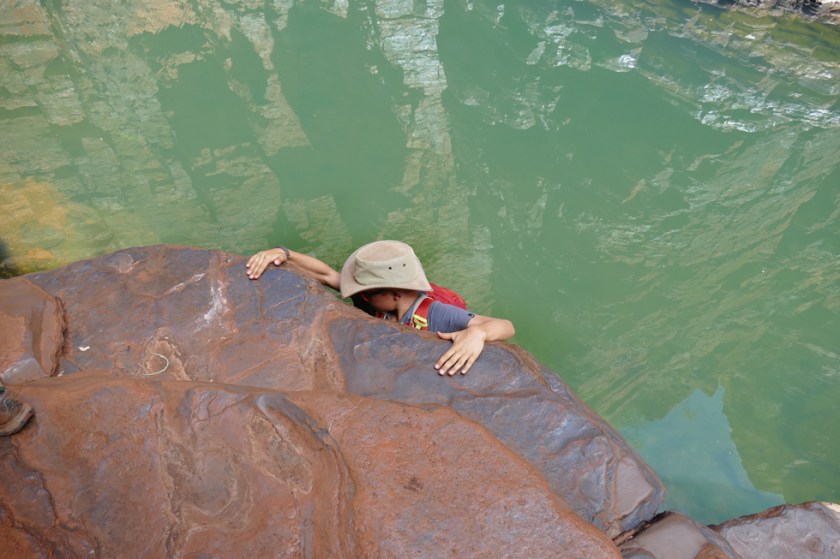
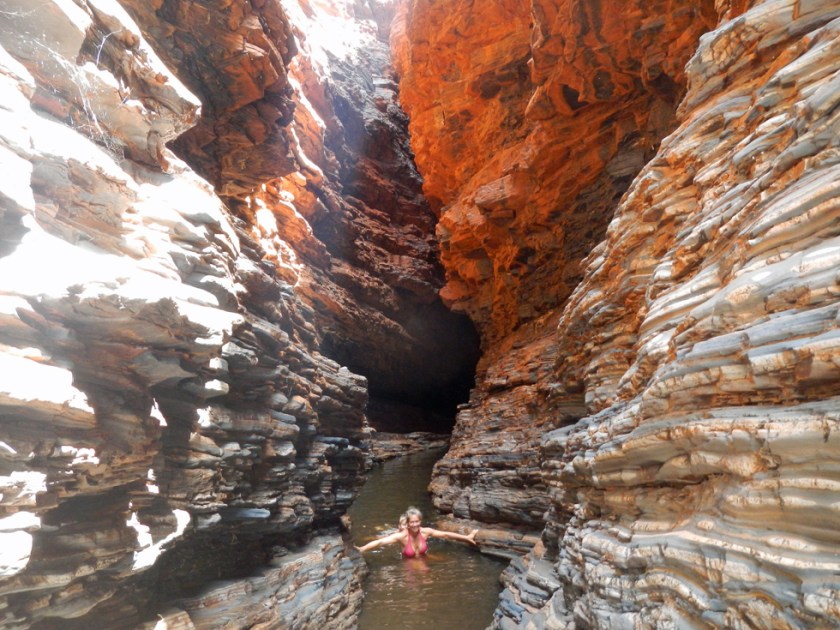
We continued to the Western part, visiting the most famous and photographed gorges like Weano Gorge, Knox Gorge and Hancock Gorge. Initially we very not sure if we could do all the hikes. They are classified from 1 to 6 (6 being for experienced mountain climbers). After our first hikes we figured out that we could do all the hikes up to class 5, even if that meant some climbing or negotiating steep sections, including Handrail Pool, Kermit Pool and Joffre Falls. We spent our days hiking, climbing and swimming through this breathtaking landscape, pushing our limits here and there (except for Robin – he just loved it, especially the climbing and sliding-down sections). Many times we had to leave our clothes and backpacks behind and continue in swimming gear. The only way to get through was by swimming or wading through deep creeks. What an adventure! Let the photos tell the rest…

Oxer Lookout
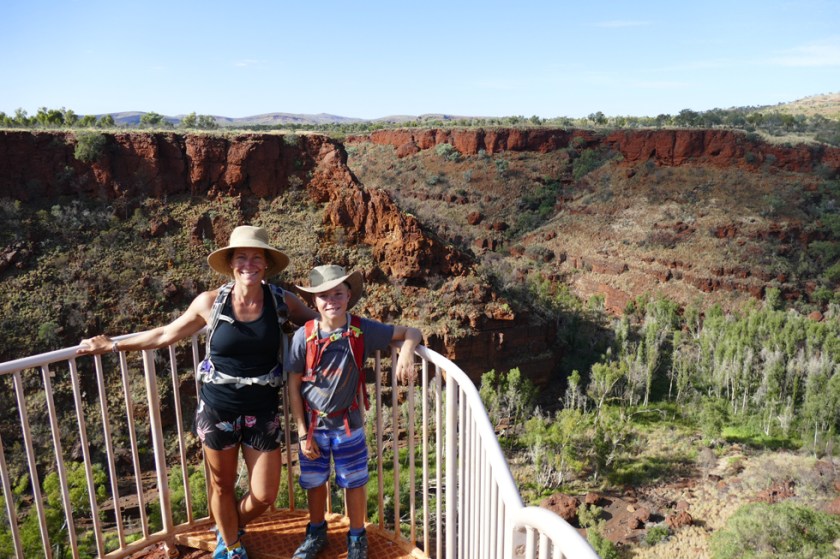
Stunning Oxer Lookout where four gorges meet
Lonely tree
Lonely tree
Walking in Knox Gorge
Robin exploring Knox Gorge
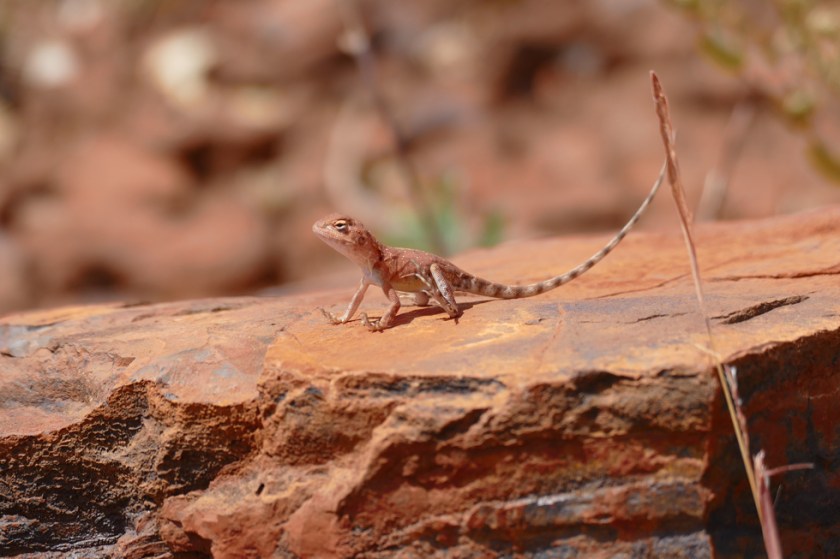
Lizzard
A small lizard coloured like the rocks
Happy hikers
Happy hikers in Knox Gorge
End of Knox Gorge
End of Knox Gorge (class 6 from here on, nothing for us!)
Climbing in Knox Gorge
Natural Steps at Knox Gorge
Handrail Pool
On our way to Handrail Pool
On the way to Handrail Pool
Swimming is the only option


On the way to Kermit Pool
Spider Walk on the way to Kermit Pool

From here we continue to Port Hedland, and then we’ll cross the Gibson Desert (Gary Junction Road).  We are well prepared, have got our permits (necessary because we’re crossing Aboriginal land), and are looking forward for yet another challenge. There won’t be any bitumen roads, any supermarkets, any showers, any mobile phone reception for the next seven days. But we carry 50 litres with drinking water, satellite telephone and food supplies. I will tell you how it went once we have reached Uluru.


Goodbye to the West Coast


Cape Range NP
Cape Range National Park

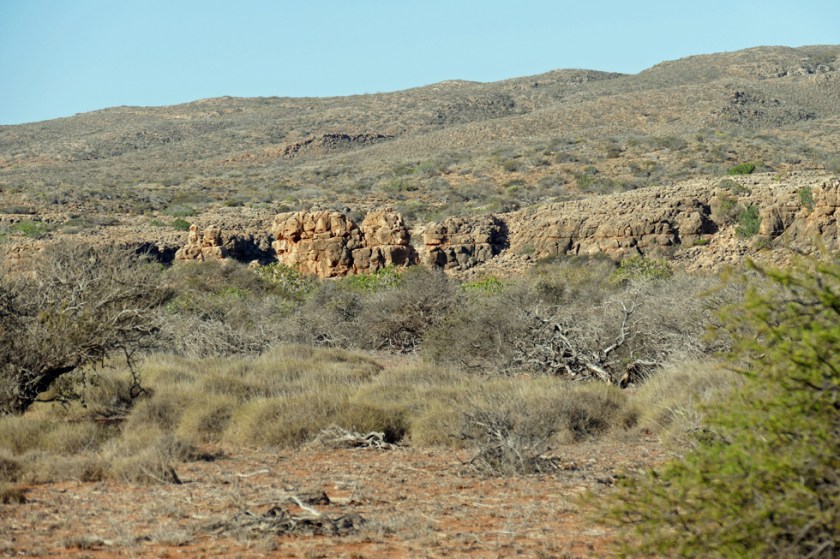
While Dag and Robin are joining a fish charter tour, I am spending my first whole day alone, which is nice for a change. Quite spontaneously we returned to Coral Bay for a couple of days, enjoying the Indian ocean for a last time before we head inland tomorrow. And since that will be a completely new chapter on our trip, I thought it’s a good idea to finish up this one properly and tell you about the last days. As mentioned we left Exmouth just after Robin’s birthday and explored Cape Range National Park. The landscape is dominated by a rugged limestone range, the remains of an ancient sea floor thrust upwards by movements of the Earth’s crust. Along the coast predominate arid plains and sand dunes.

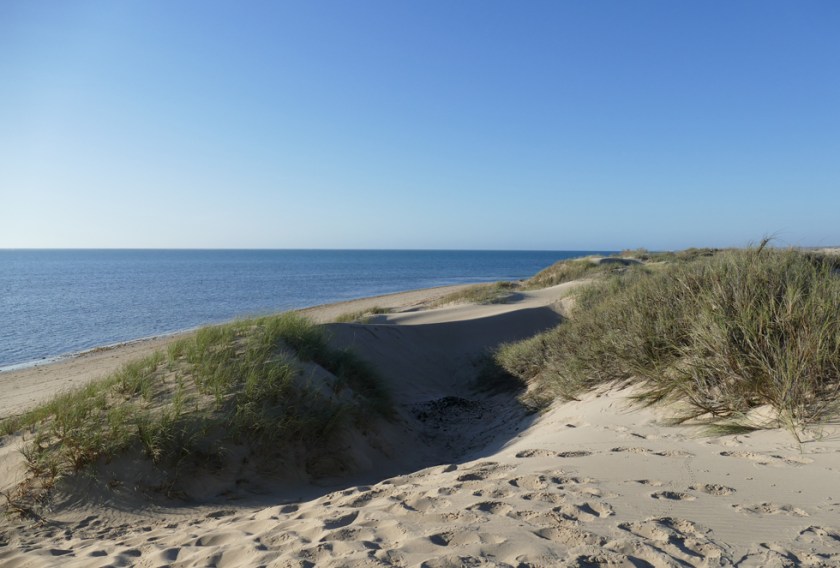
Sand dunes at Yardie Creek

We spent two nights at Osprey camping area, a simple but beautiful bush camp with the most beautiful sunsets. From there we drove to a few great snorkelling sites like Turquoise Bay and Oyster Stacks, again seeing different types of coral and hundreds of colourful fish, for example blue spotted rays, yellow boxfishes and Hawaiian triggerfish (not that I have become a fish expert – I just bought a nice book about fishes in the Ningaloo). I wish I could add some pictures, but our underwater camera is just not good enough. You’ll have to google the fish yourself to get an impression.

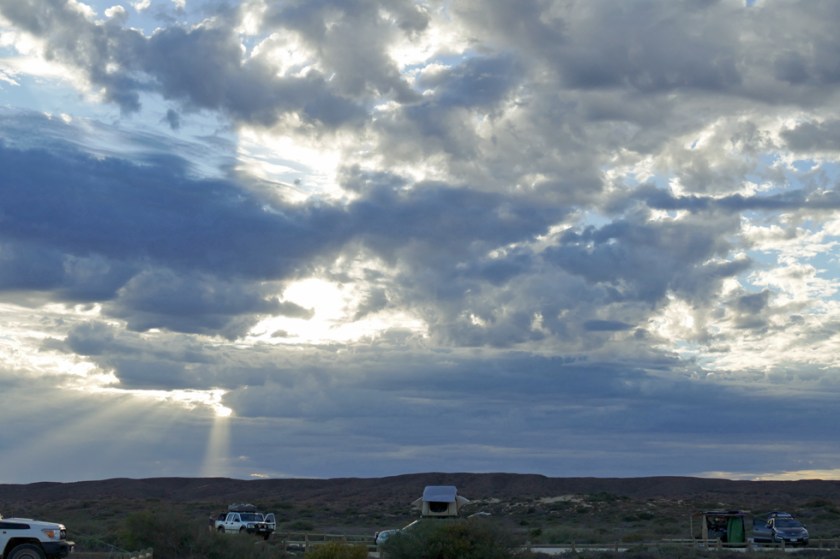
Morning sky at Osprey Bay
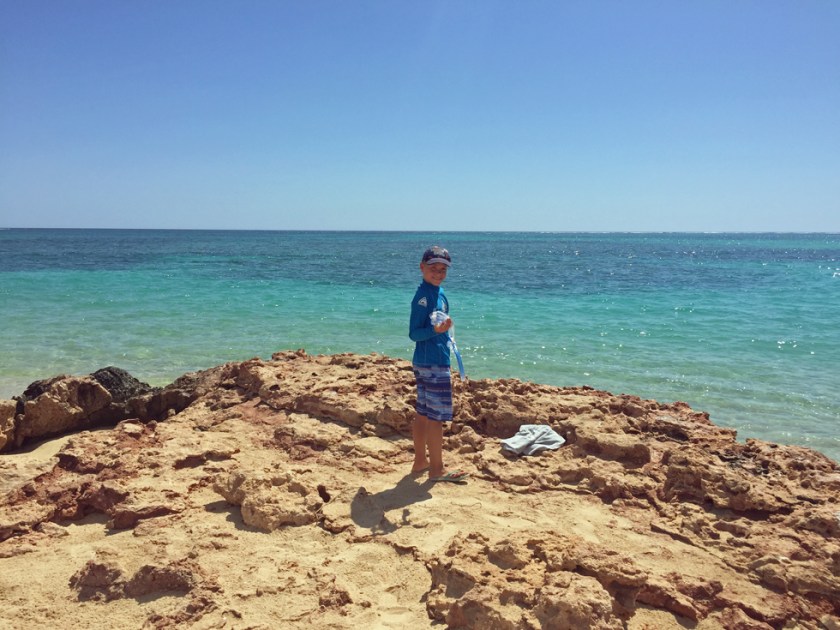
Snorkelling at Osprey Bay
Going snorkelling
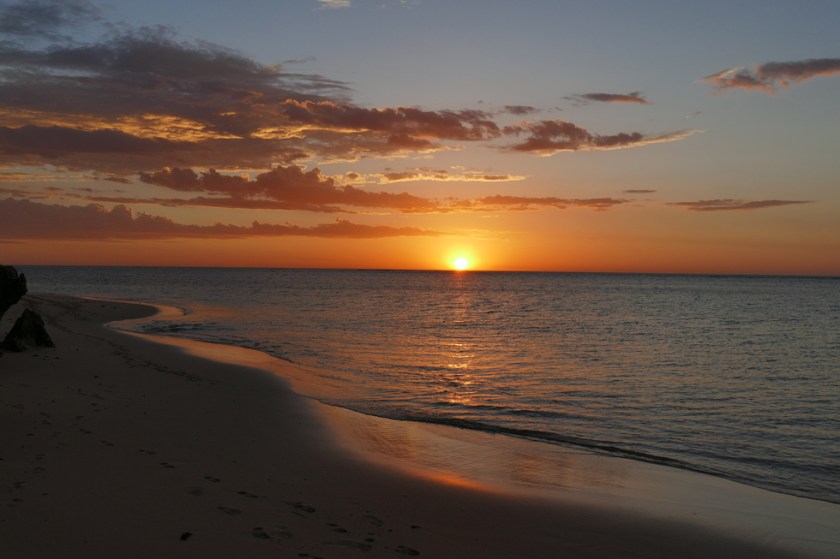
Sunset at Osprey Bay
The sun sets into the Indian Ocean
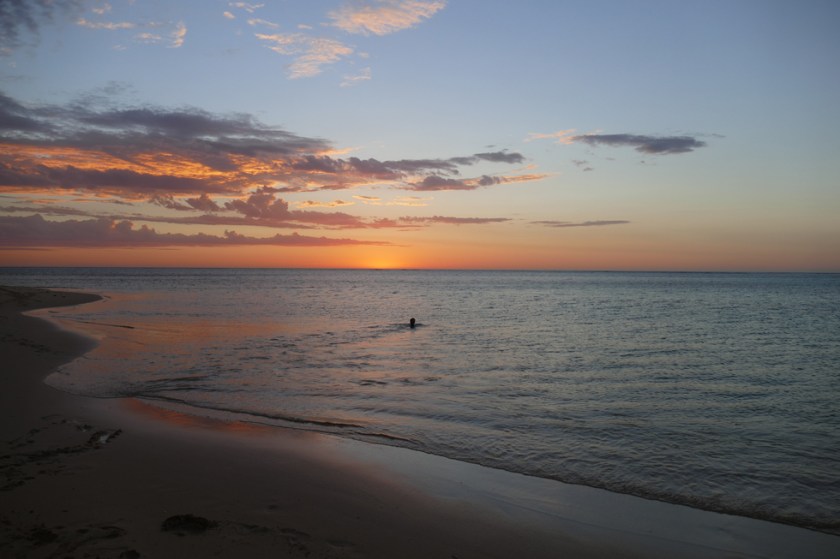
Swimming after sunset


We also did a couple of walks. One was the Mandu Mandu walk that winds its way along a rocky creek bed, deep into the gorge. A steep path took us then up to the rim where we enjoyed the beautiful view over Ningaloo Reef and the surrounding country.

Mandu Mandu trail
Along the dry riverbed
Looking over the dry river bed
Looking over the river bed to Ningaloo Reef
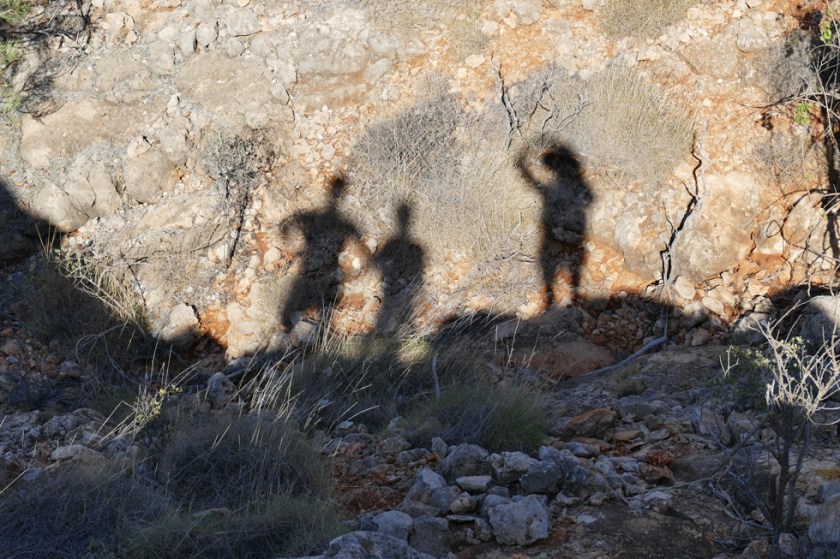
Shadow selfie
Shadow selfie

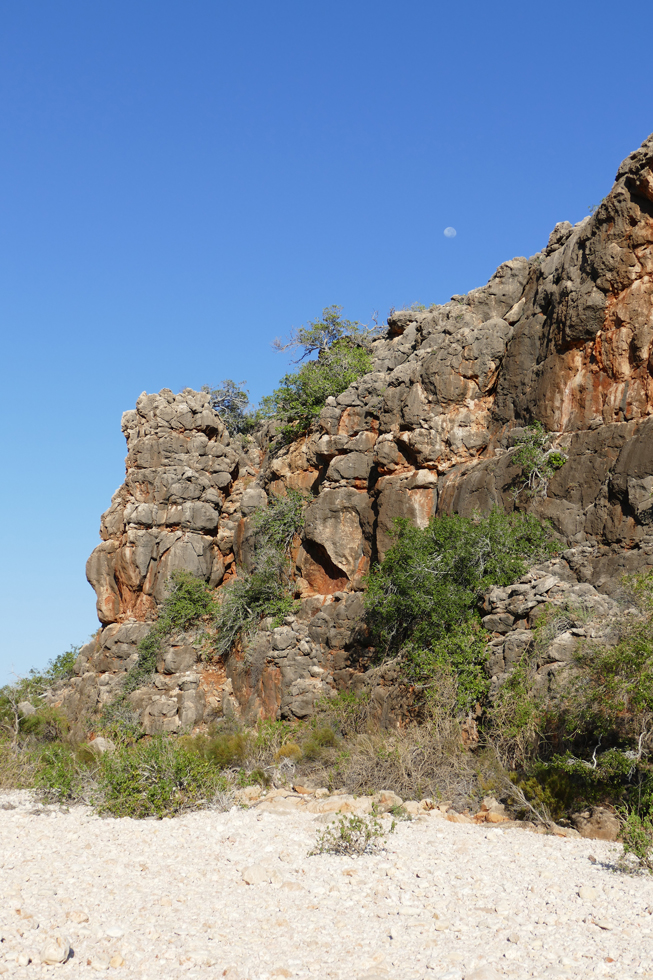
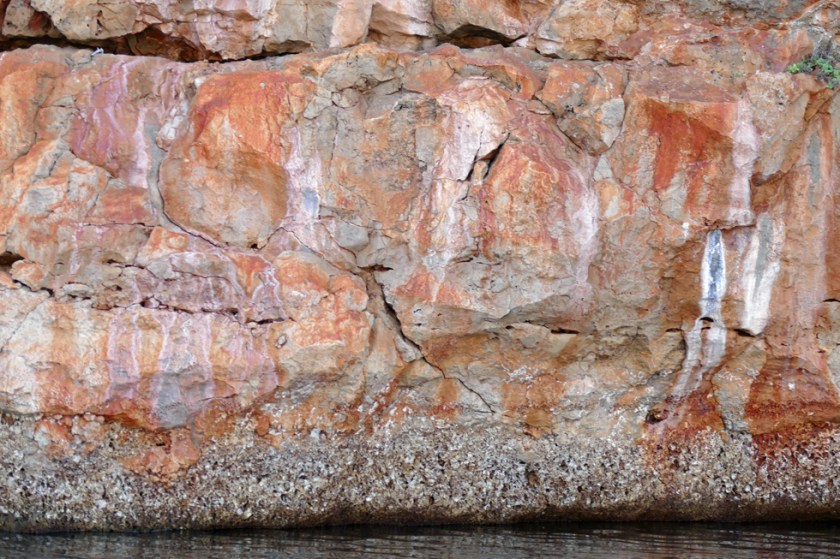
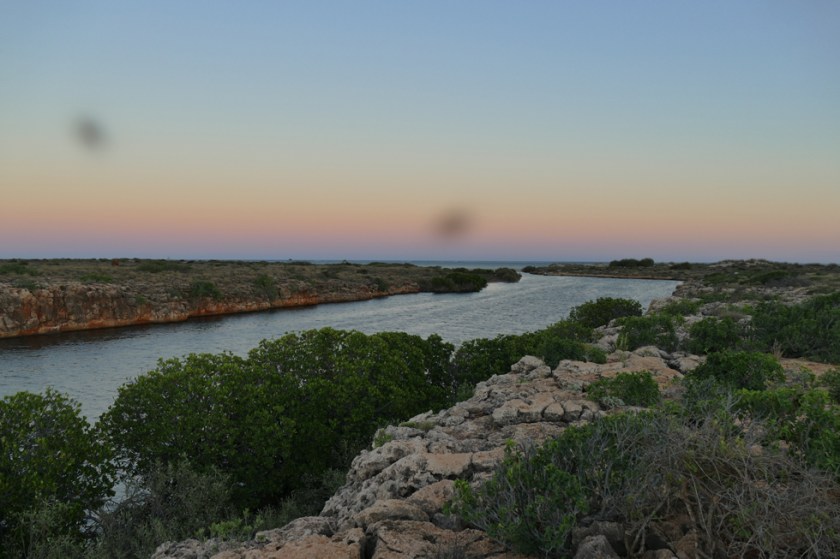
The same day we joined a 1,5 hours long boat tour on Yardie Creek, the only gorge in the area with permanent water. However, this is saltwater fed from the ocean. Hidden within the safety of the high gorge walls we spotted the rare black-footed wallabies, very timid creatures that seek shelter in the ledges and caves. We also saw ospreys, lizards and trees full of large bats. The limestone walls are beautifully tinted by mother nature, with bands in red, white and black that reflect in the water of the canyon.

Boat tour on Yardie Creek
Catching a boat on the Yardie Creek
Osprey taking a bath
An osprey taking a bath
Rock wallabie
Rock wallaby relaxing in the rocks


Rock wallaby and baby
Mother and child


Limestone walls
Painted limestone walls
Osprey
Osprey

After the boat tour we passed by the campsite next to the creeks mouth, and decided to book two more nights there.

Campsite at Yardie Creek


Once we got there by mid-day the day after, temperatures had risen, wind had got stronger and the worst of all: there were suddenly a million flies…! To cut the story short, after a hot night almost being blown away and a morning full of flies (Robin and I did a short hike in the early morning with fly hats), we decided to leave this place at once, headed back to Exmouth and from there to Coral Bay, once again relieved when we got here and almost feeling like coming home.

Early morning hike with flies
At the river mouth of Yardie Creek (with flies on my lense)
Early morning over Yardie Creek
At sunrise high above Yardie Creek
On the summit
Robin on the summit (hiding the fly hat behind his back)


So this is it from the coast, we’ll be leaving tomorrow, heading north-east to Millstream Chichester National Park and from there to Tom Price.

Along the Ningaloo

Quobba BlowholesIt’s been over two weeks since my last blog post and there are several reasons for that. The main one is that Robin has been suffering from a “Swimmer’s Ear”, a very painful inflammation of the outer ear. It’s often caused by extensive swimming in not so clean swimming pools and constant humidity in the ear canal. Don’t blame him – it was the only way to get us through days with extremely high temperatures (the other reason why I didn’t write anything on my blog). First time we went to see the doctor in Carnarvon, about 150 km away from Red Bluff, where we had spent the night.

Redd Bluff
Camping at Red Bluff


Small crab at Red BluffHe prescribed ear drops and pain killers and told Robin that he couldn’t swim for the next two weeks. A devastating verdict in this weather. In good faith that the antibiotic eardrops would help Robin within 24 hours, we continued our trip north. Unfortunately, the next 48 hours were just as painful for Robin, even with more pain killers than prescribed. So we went to see another doctor three days later, this time in Exmouth (180 km away). Robin was getting better by then and this doctor told him that he could swim again immediately, just with earplugs and swimming cap. What a relief! He also prescribed another antibiotic which luckily did its job and Robin got well within a couple of days.

I suffered a lot with Robin, knowing just too well how much this kind of inflammation hurts. Staying at places like Red Bluff and Warroora Station far away from civilization didn’t really help either. The nature there is ruthless and didn’t offer us any mercy. The sun burning during the day, not a tree for shadow, the ocean too wild and intimidating for a swim, too warm and extremely humid nights (the tent was literally dripping). Lying there next to Robin having so much pain, I didn’t feel too brave anymore I must admit. But fortunately, things got better soon! 

Elles Place Warroora


Arriving in Coral Bay was a relief and we spent six laid-back days in this green oasis. Coral Bay is a little settlement protected from the Indian ocean by the Ningaloo Reef. This reef is Australia’s second largest reef, a so-called fringing reef (connected to the mainland) and the coral start literally right at the water’s edge. There are over 500 species of tropical fish and over 200 species of coral. This spectacular underwater world is so contrary to the dry land above! We started with some snorkelling from the beach at Bill’s Bay and were very much impressed about the variety of fish we saw just metres from the shore.


Coral Bay
Bill’s Bay at Coral Bay


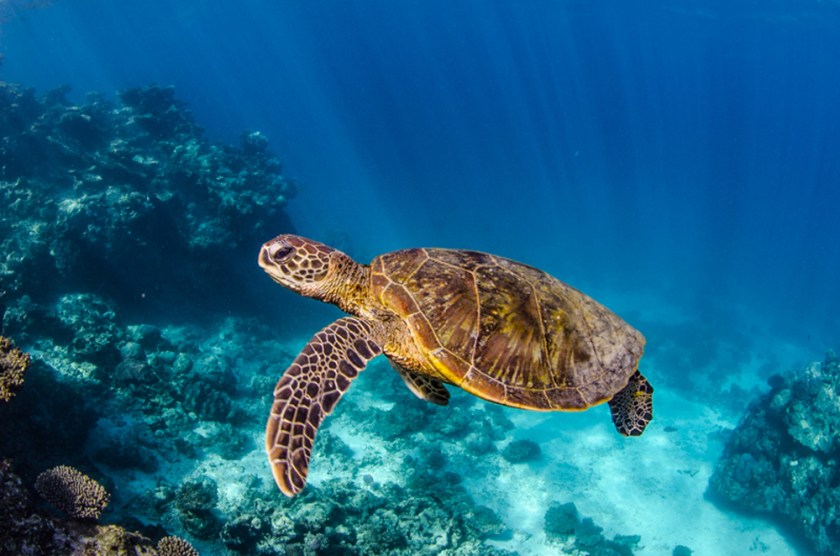
One day we went on a commercial snorkelling tour aboard the beautiful catamaran “Coral Breeze”. It took us to the outer reef and we had the opportunity to swim with green turtles and white tipped reef sharks, we saw beautiful coral formations and of course a huge array of colourful reef fish and other marine life.

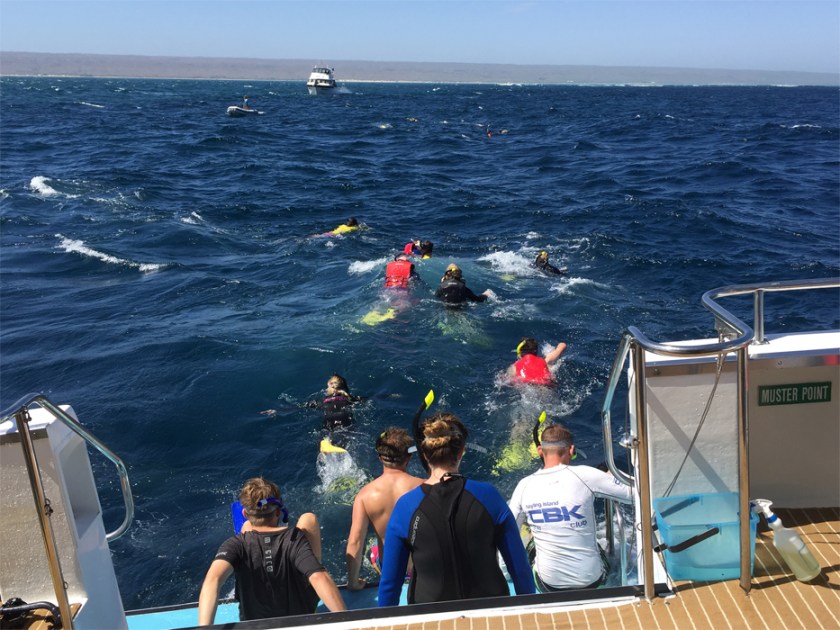
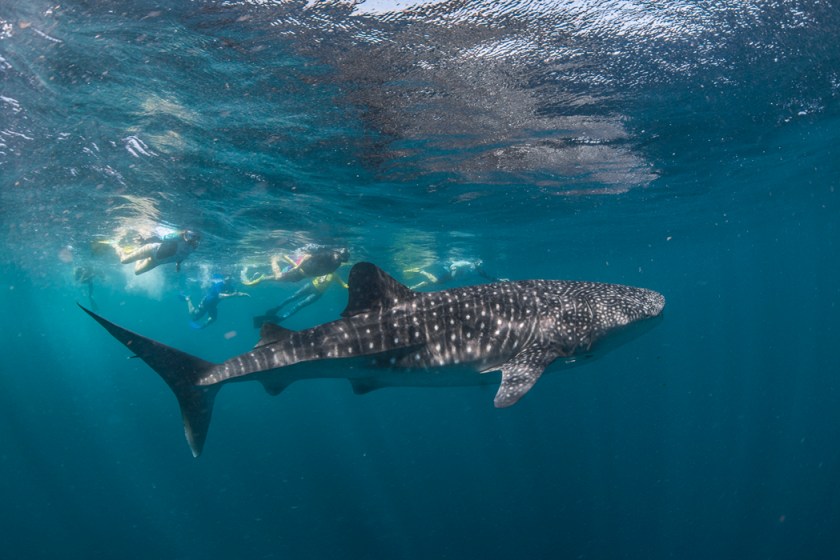
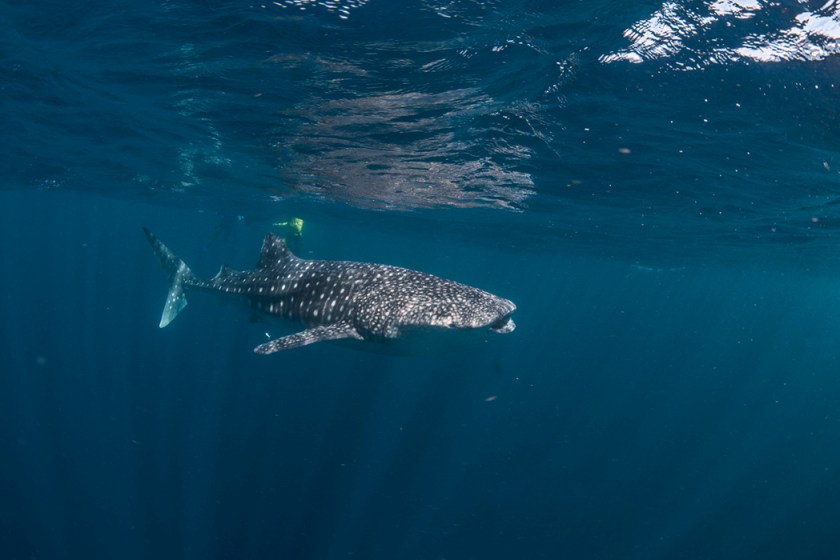
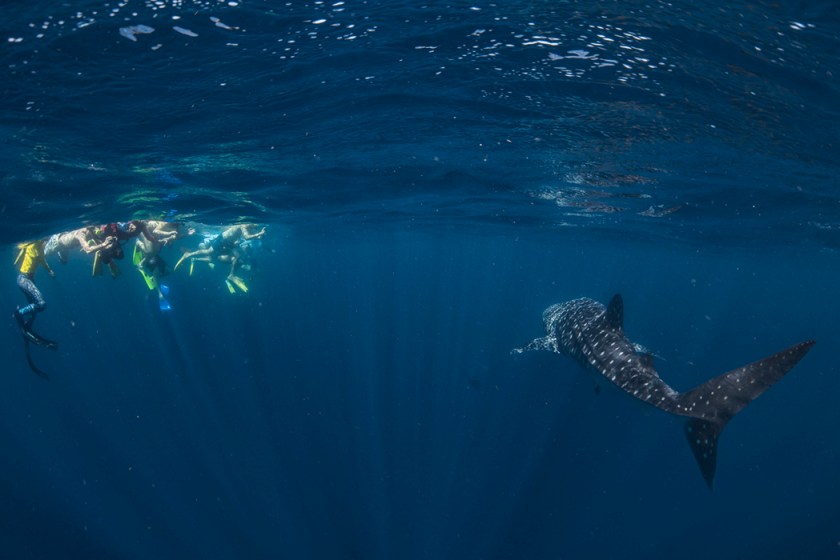
TurtleAfter that day on the ocean I had made up my mind: I wanted to swim with the famous whale sharks. Every year from March to August, the world’s biggest fish congregate along the Ningaloo Reef. These creatures can grow up to 15 metres long and have a life span of up to 70 years. Their name comes from the fish’s physiology, being as large as some species of the whales and being a filter feeder. And they are totally harmless to humans. So, I couldn’t let go this once in a lifetime opportunity! And I managed to convince Dag and Robin to join me. When we got to Exmouth, our next destination, we booked a tour with “Whaleshark n Dive”. You might think it’s scary to swim with these giants. I can assure you, it is not. The crew on board made sure we got into the water the right moment (they use spotter planes to locate the sharks), lined up on the right side and dived under just when the whale shark passed slowly by. What really was scary – at least for me – was to jump into heavy swell far out in the Indian ocean. It took me and Robin quite some will power, but we never regretted it. It was truly unforgettable! And allow me to say how impressed I was that Robin joined me, that was so brave of him. But we both prefer to snorkel inside of the reef, in shallow water where we see the bottom! The beautiful underwater photographs are taken by Jess Hadden, a professional underwater photographer and member of the crew.

On the way out
On the way out into the Indian ocean


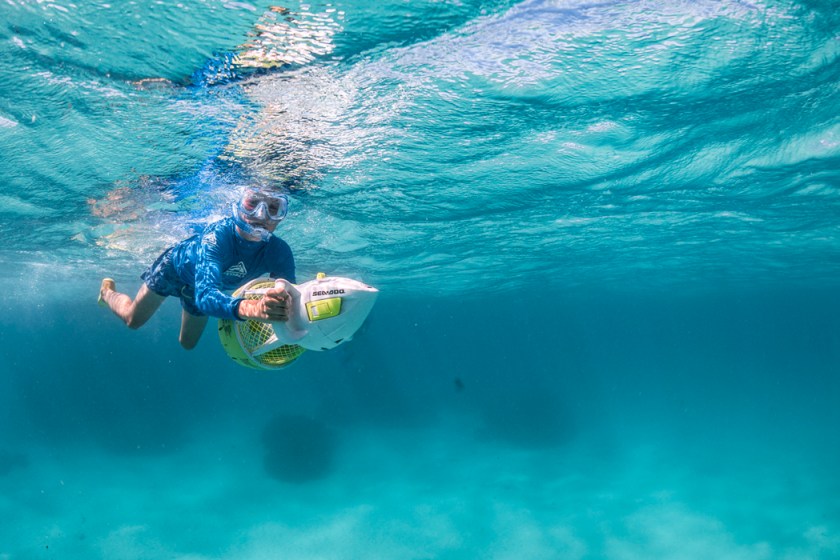
Water scooter
Robin snorkelling with an underwater scooter
Dugongs
Dugongs
Whale shark3
And here he is, a young male whale shark

Whale shark2Whale shark


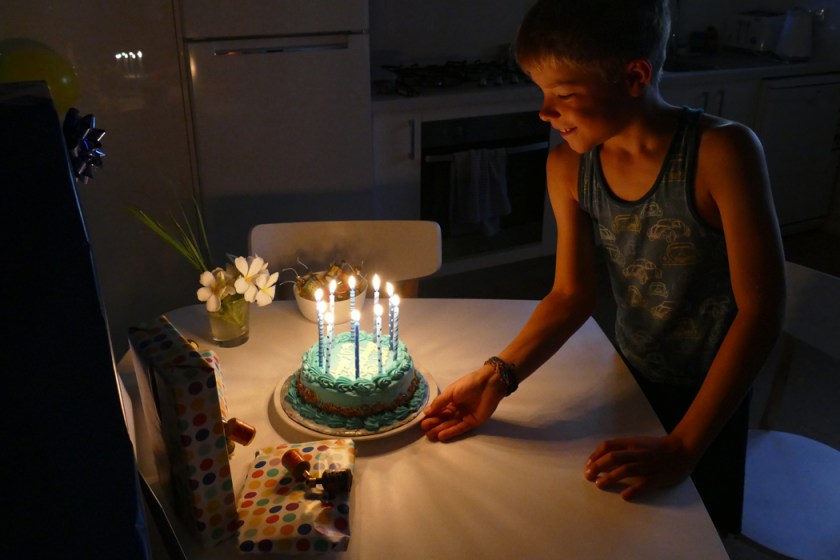
The next big highlight was Robins 10th birthday. We had booked two nights in a little resort in Exmouth as a surprise for him, and celebrated his day with presents, cake, balloons, pool, dinner at the restaurant – and air condition. He was a very happy boy and according to him this was his best birthday ever. Also, because he for the first time could go to the pool alone – children below ten must be accompanied by an adult at all times…Birthday

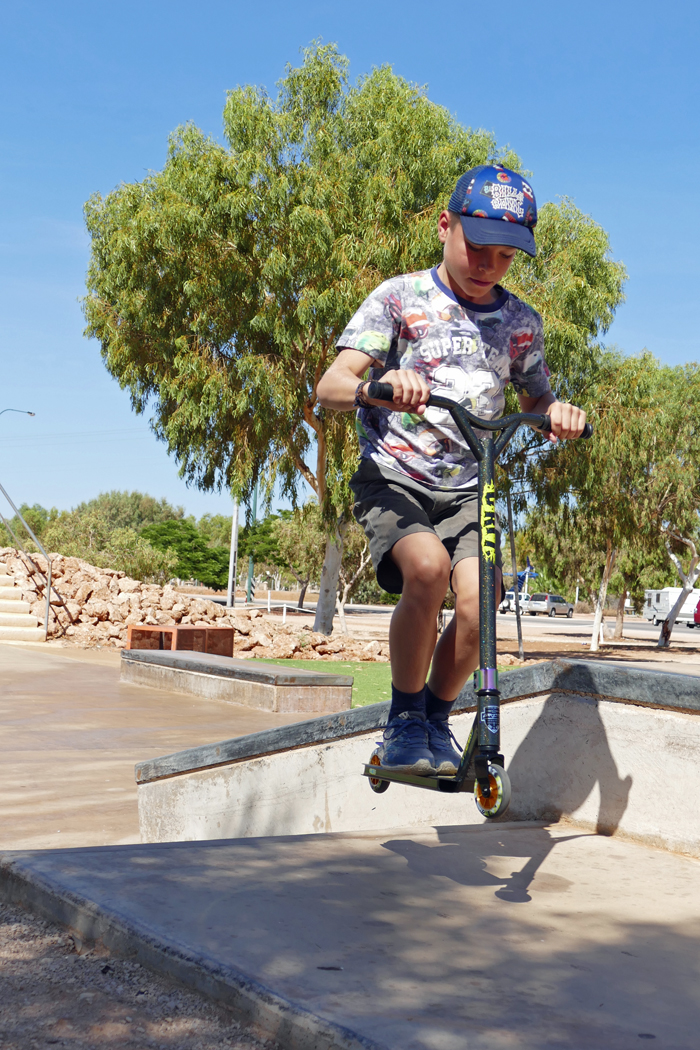
New scooter
Robin on his hew scooter


From here we’re heading out to the coast to Cape Range National Park. There will be more snorkelling and swimming, a tour on a river boat in Yardie Creek, and more dreaming about cold showers, cold tiles, cold sheet… But more about that next time.


Visit from Hongkong

There’s one question we’ve been wondering about a lot lately, and I think we have concluded equally about the answer… but let’s start in the beginning.

I am lucky to have a brother who is living in Hongkong. Now, flying from Hongkong to Western Australia is not such a big deal, only six hours and within the same time zone. So already a year ago we agreed to meet in Perth and travel together for a week. And that’s exactly what we did. Christoph came down on Friday last week and we drove up along the coast, from Perth to Denham (Shark Bay), where he eventually had to turn back. And we had such a great time together! Dag and I didn’t see too much of Robin while driving – he preferred joining his uncle and sitting in the front seat in his car.Good company

We stopped for one night each in Cervantes (where we visited the famous Pinnacles), Geraldton and Kalbarri. Kalbarri National Park is one of the highlights along the West coast due to its inland river gorges with rock formations as old as 400 million years and its ocean cliffs plummeting to the waves below. Hadn’t it just been for the flies… which leads me to my initial question: what’s worse, the heat or the flies? After Geraldton, temperatures started to raise continuously all the way up to 41-42 degrees. That’s well above our limit. And when this heat is combined with flies (and we’re talking about thousands, no millions of them), it literally destroys the joy of visiting great places. We stopped at places like Natural Bridge, Island Rock and Red Bluff just south of Kalbarri to admire the sandstone cliffs, but it was annoying even with our fly nets. And each time we got back into the car, so did a hundred flies.

Luckily, they disappear when the sun goes down, but how should we sleep when it never gets cooler than 30… beats me! Nevertheless, Kalbarri National Park is a beautiful place and we drove to several lookouts, dropping the hikes though.

Kalbarri National Park
Murchison River, Kalbarri NP
Natures Window Kalbarri
Nature’s window, Kalbarri

When we continued to Denham in Shark Bay (World Heritage Area), we were quite desperate and rented a cottage for the first night at the campsite. With air condition! The world looked differently next morning, we had all slept well. We spent one day driving to François Peron National Park on the northern end of Peron Peninsula. It is only suitable for 4WD vehicles, so Christoph joined us in our car. We drove all the way up to the cape on sandy tracks. Further on at Skipjack Point, our high expectations to this marine park were more than met.

Skipjack Point
Skipjack Point Lookout

Just below the lookout, we spotted a carcass, probably of a big sea turtle, lying at the beach. And just a few metres away in the water was a large lemon shark swimming gracefully back and forth.

After a little while we even saw a second one, much smaller than the first. And not enough with that! A group of eagle rays played in the water, next to them a huge shoal of yellow fish. The water was so clear that we nearly could start telling them, hadn’t it been so many. We were spellbound by this spectacle and even forgot the heat and the flies for the time-being.

Experiences like this make it worth-while to travel far and be challenged by harsh conditions as we had been! We will never forget this moment.

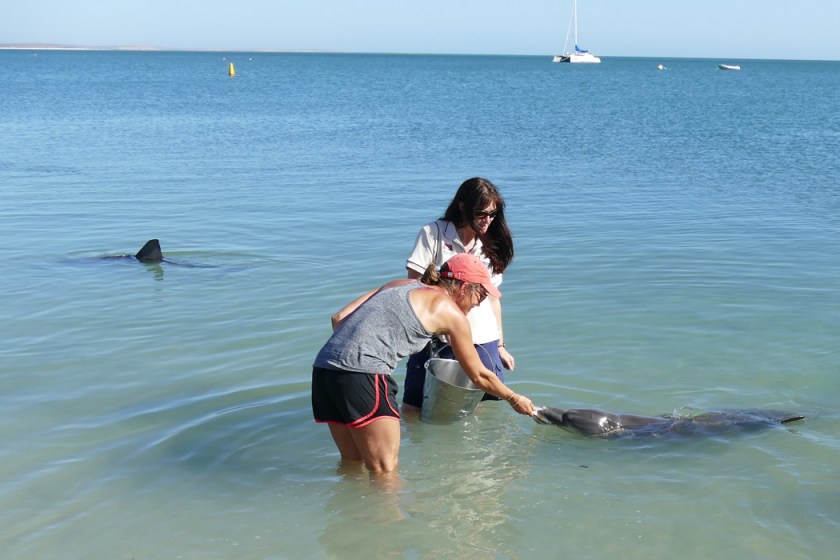
Our last day together we spent quite relaxed at Monkey Mia, watching the feeding of the dolphins, spotting sea turtles and observing the pelicans. In the evening we had to say goodbye to Christoph.

Feeding dolphins
Feeding the dolphins at Monkey Mia

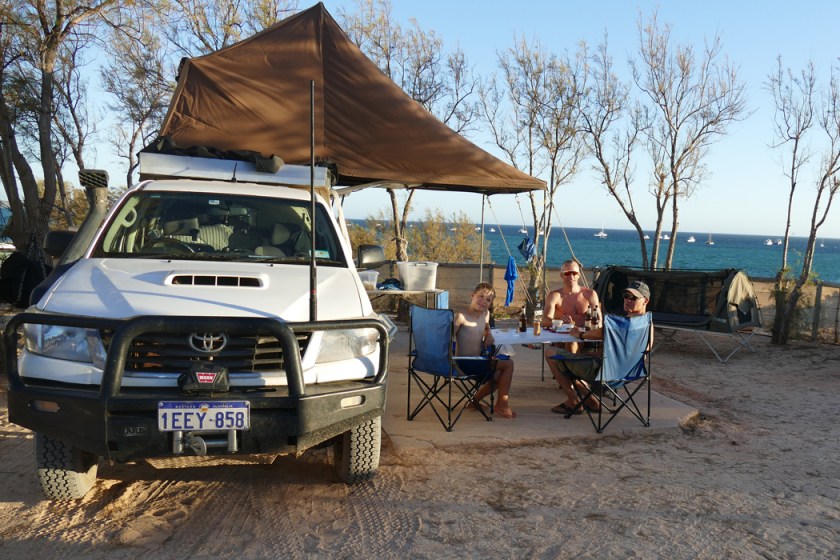
Last eveningAfter almost three months of travelling, I can truly say that this is the best thing we’ve ever done, no doubt. We are writing our history, creating many good memories. At the same time, it is not just a walk in the park. The way we travel, we’re so exposed to nature. And that means quite a challenge here in Australia. I’m not even thinking about the all the dangerous creatures we meet. More challenging is the heat, strong winds, the cold at times, or heavy rain. And there we are in our small car with roof top tent, trying to keep our spirits up and make the best out of it. And believe me, we usually succeed. Except when the flies attack us. Because they are so much worse than the heat!
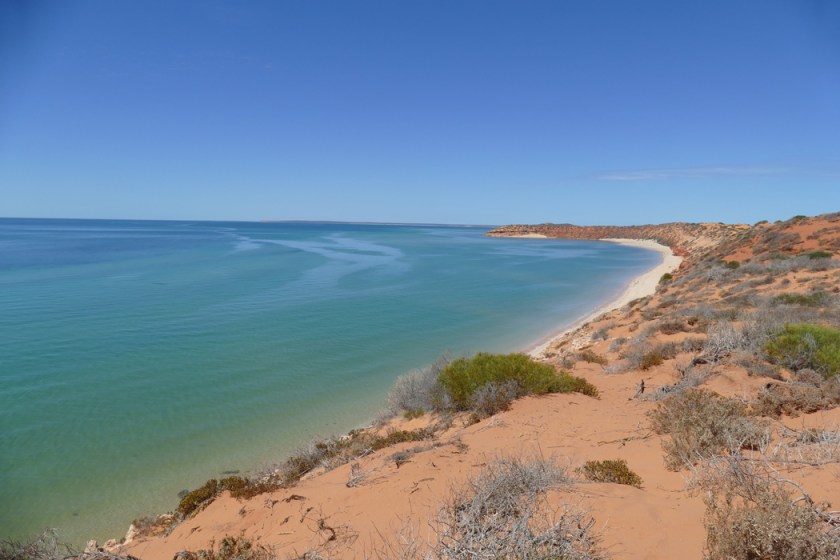
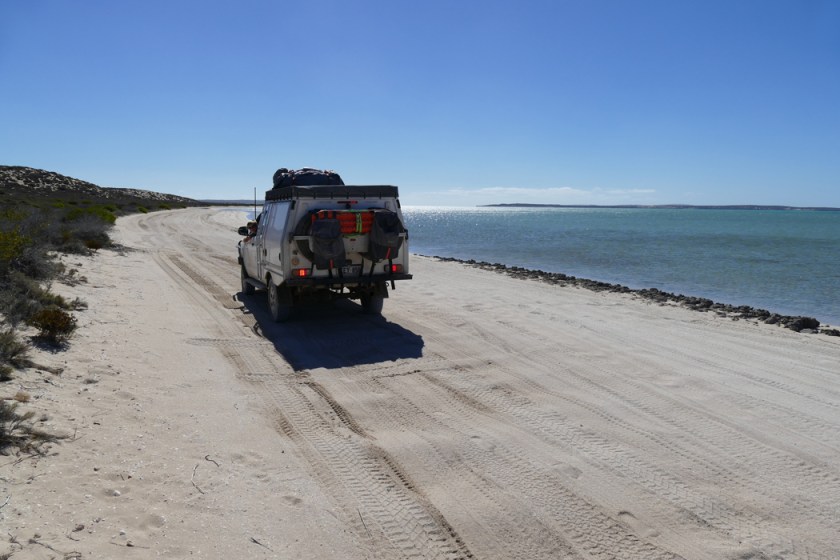
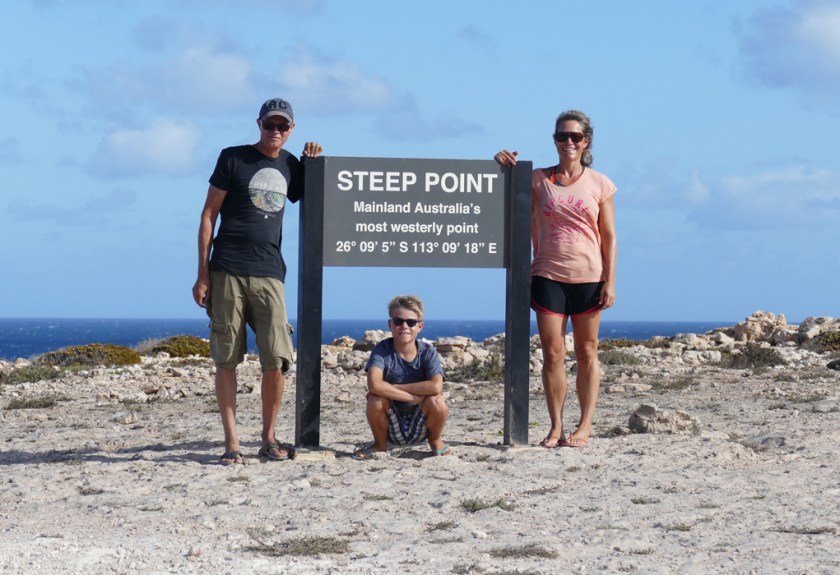
This is the point where I had planned to stop todays blog post, but I just quickly must tell about our drive out to Australia’s most westerly point: Steep Point. It’s a very long, very corrugated drive out to Edel Land, followed by a sandy track to Shelter Bay where we spent the night.

Driving out to Shelter Bay
Driving to Shelter Bay
Shelter Bay
Camping at Shelter Bay

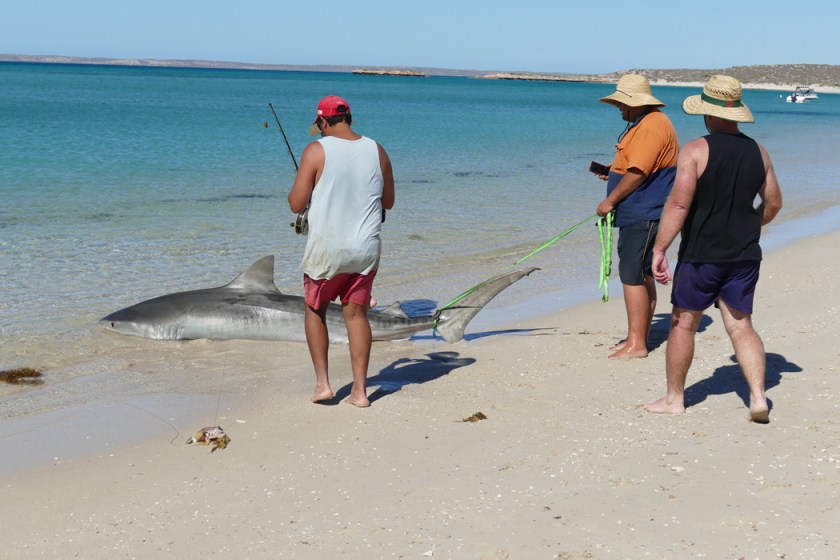
The beach and the landscape around are stunning, with Dirk Hartog Island in front of the big bay. And the fishing is obviously great. Not only did we meet several groups of young men spending up to two weeks here. Just as we arrived, one of them drew out a at least 2,5 meter long shark. After measuring it and taking the obligatory selfies, they released him again. We didn’t go swimming I must admit.

Big boys big shark
Big boys, big fish

The drive from Steep Point to Thunder Bay the following day was one of the big highlights of our trip so far.Steep Point It was not very far, around 25 kilometres, but it took us several hours. Again and again we had to stop to admire the view, or check the track before driving it, since there were many steep and soft sandy parts and others with sharp rocks. We even got bogged at one point, but thanks to our Maxtrax, we got out easily.
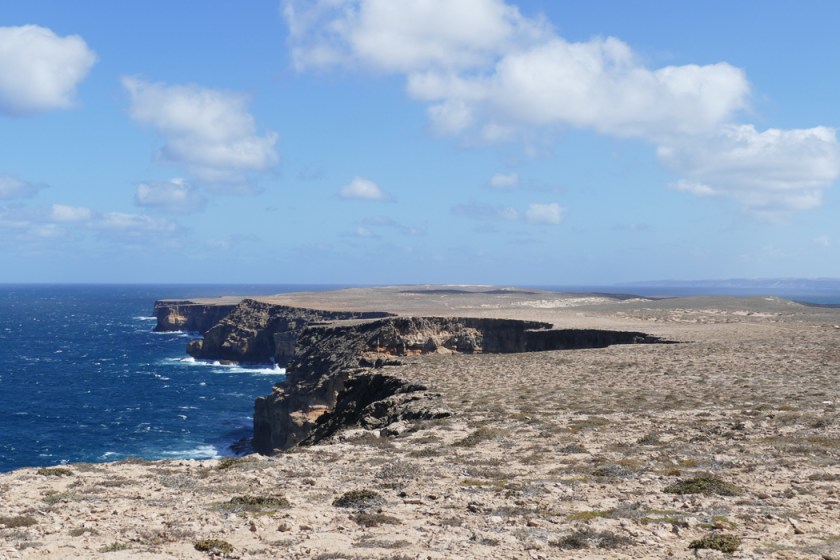
Zuytdorp Cliffs
The Zuytdorp Cliffs

The coast is simply spectacular, with its cliffs rising 200 metres above the Indian Ocean. We didn’t meet a single car along that part and were happy in this remote wilderness. Nevertheless, after a long day driving in rough conditions, we were also relieved when we got back to civilisation safely. But it was a great adventure!

On our way towards Perth

We’ve been travelling slow lately, which gave us the opportunity to explore many places in Leeuwin-Naturaliste National Park in the South West region of Western Australia. It is named after the two locations at either end of the park which have lighthouses, Cape Leeuwin and Cape Naturaliste.Chilling

We found a nice bush camping a short walk away from Conto Beach, a wild undeveloped white sand beach backed by tall green bush covered hills and turquoise waters.

Along the coastWe stayed three days in this area, drove on a few 4WD tracks, spent an afternoon in Margaret River, a little town famous for its wineries and surfing and visited a couple of caves. The Margaret River Region is home to over 100 caves, which have been formed over the last 1 million years by the constant movement of water through limestone. We liked especially Lake Cave with its stunning crystal wonderland and the only cave in the Leeuwin-Naturaliste Ridge with a permanent lake. The cave is renowned for the ‘Suspended Table’ – a five tonne column of calcite that hangs from the ceiling just a few centimetres above the lake.

I would love to do the ‘Cape to Cape walk’ one day, a long-distance track (123 km) along the coast of the whole national park. During our days in the area we crossed the path several times and walked short parts of it (from Wyadup to Canal Rocks and back). The views are stunning, the beaches pristine, the forests amazing.

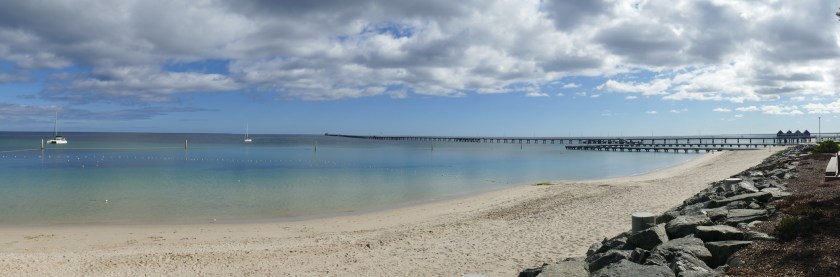
The region north-east of the Leeuwin-Naturaliste NP towards Perth is densely populated, and the coast is not as accessible. On our way towards Perth we only stopped at Busselton to visit its jetty, the longest wooden pier in the world, stretching almost 2 km out to sea. Busselton Jetty

Because the shallow waters of Geographe Bay restricted ship movement, a long jetty was required so that cut timber could be transported to ships (between 1853 and the 1960s). We walked out to the end and visited the underwater observatory. We descended 8 metres beneath the water’s surface to Australia’s greatest artificial reef, and were amazed about a “forest” of vividly-coloured tropical and sub-tropical corals, sponges, fish and invertebrates.

At that point we hadn’t quite decided where to spend the following week until my brother would come to Perth. We were talking about Perth’s hinterland and its national parks, and a daytrip to Rottnest Island just 18 km off the coast west of Fremantle. Quite spontaneously we agreed to stay in Perth instead, and I found the most charming little cottage on Airbnb. Amazingly enough it was still available and we booked it.Kookaburra Cottage

Before we moved in, we spent two nights on a camping site in Fremantle, and took a daytrip out to Rottnest Island. Due to the long weekend, it was very crowded but we were lucky and managed to rent some bikes to explore the island. Rottnest is perhaps best known for its population of quokkas, a small native marsupial found in very few other locations. The island was given the name “Rotte nest” (meaning “rat nest” in the 17th century Dutch language) by a Dutch captain in 1696, mistaking the quokkas for giant rats. They were very cute and not shy at all!

One morning we strolled through Fremantle which we liked a lot. Its big port is fascinating, and the city’s well-preserved 19th century buildings beautiful. As part of Fremantle Festival, Fremantle’s High Street is the centrepiece of this art event, being applied yellow painted foil to create a mind-bending trick of perspective.

On Sunday we moved into our little house and have been living a quiet life since then, enjoying air condition, our own bathroom, a proper kitchen and beds – all things we easily go without when we are on the road. We have been visiting Perth’s CBD one day, the great Kings Park with its beautiful botanic garden another.

And we drove out to Cottesloe Beach not just for a swim, but also to visit ‘Sculpture by the sea’, another great public art event with about 70 sculptures by artists from all over the world. I just loved the interplay between art and people. People don’t only get there to visit the exhibition, they also go for a swim, sunbathe or find shadow under one of the sculptures. Children play around them and the place is just filled with a wonderful spirit! Have a look at their homepage: http://sculpturebythesea.com/cottesloe/cottesloe-gallery/


The remaining days we’ll spend quietly at home and strolling around in the city, our car is getting a service (we’ve been driving our first 10’000 km) and then on Friday we’ll meet my brother and get on the road again together with him.


Southern Forests

Southern ForestsWe’ve been spending a week in the Southern Forests, an area between Albany and Augusta, a three-hours drive south of Perth. We didn’t know much about these forests and were totally surprised and impressed by their beauty! The so-called tingle forest is a very ancient forest. Its trees only occur in this small area and provide a window to the past. Some of the plants, we learned, have origins that can be traced back 65 million years to the super continent Gondwana, when Australia was joined with what is now Africa, India, Antarctica and South America.

The canopy, ranging between 30 to 90 metres in height includes the red and yellow tingle, karri and Jarrah trees. All of them part of the eucalyptus family.

There are plenty of National Parks in this region, big and small ones, and we visited quite a few of them. Again and again the sheer beauty of these giant trees filled us with awe. We liked especially the karri with their long straight trunks with bark in varying shades of pink, orange, yellow, white and grey. It is the third largest tree in the world, by the way.

At the Valley of the Giants we did the famous tree-top walk, a stunning walkway held 40 metres above the ground. I felt like turning into a bird and fly away! Another big attraction here are the lookout trees. Spotting bushfires from towers built on high ground traditionally gave firefighters their chance of responding to fires quickly. However, in karri forest it was hard to build towers taller than the trees. Between 1937 and 1952 eight trees were selected as lookouts, and pegs were hammered into their trunks to form a ladder. We drove both to Dave Evans Bicentennial Tree (65 m) and The Gloucester Tree (53 m). At both places I climbed maybe a third of the height before turning back, Robin a little less, and Dag stayed on the ground taking pictures. It was fun, but also a bit scary without any form of safety.

Before continuing to Augusta, we spent a couple of days in D’Entrecasteaux National Park. It’s a great place to go four-wheel driving, and it is very remote and isolated. We didn’t dare driving too much along the coast due to some steep sand dunes, but we both drove to Lake Jasper and Black Point. Dag had no trouble driving on these sand tracks with lots of pretty soft spots. And when he put in low gear the second day, it was actually lots of fun!

Lake Jasper is the largest permanent freshwater lake in WA and very picturesque as it’s nestled in dense bush that grows right down to a fringing white beach. And the best of all: we had the whole place to ourselves.

Black point, where we spent the second night, is famous for its black basalt cliffs plunge into the sea in brick-like formations. We only saw the columns from a distance, but it was also quite spectacular at Steppping Stones, where the rocks fit together like a mosaic. The waves were too big for swimming, so we just strolled along the beach barefoot enjoying the scene.

Now we’re back in civilisation in Augusta, shopping groceries, washing clothes and ourselves, I can’t wait until we’re out in the bush again.

Birds and flowers to Mami

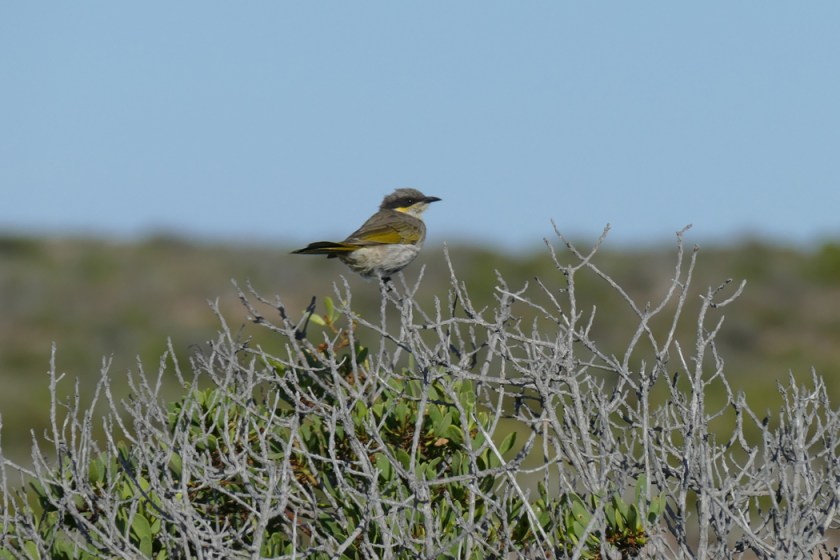
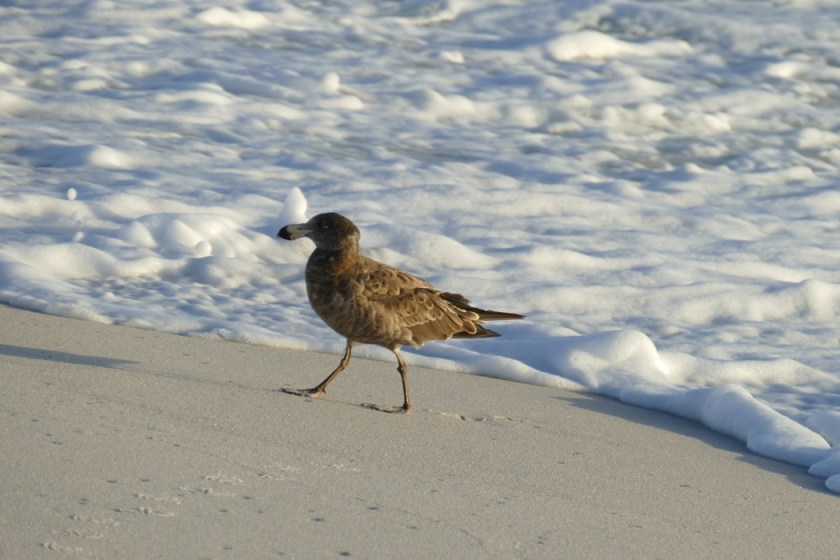
I dedicate this post to my mother. Ever since I was a little girl, she would point out birds and flowers to me. Being a biologist, she wouldn’t just tell me their common names, but often also their Latin term. I guess that’s the reason why I today spend a lot of time trying to get the perfect shot each time I see a bird moving nearby. I am intrigued by all these colourful birds here in Australia. So here are some of my best shots. I’ve tried to find out their correct names, but probably got some of them wrong.

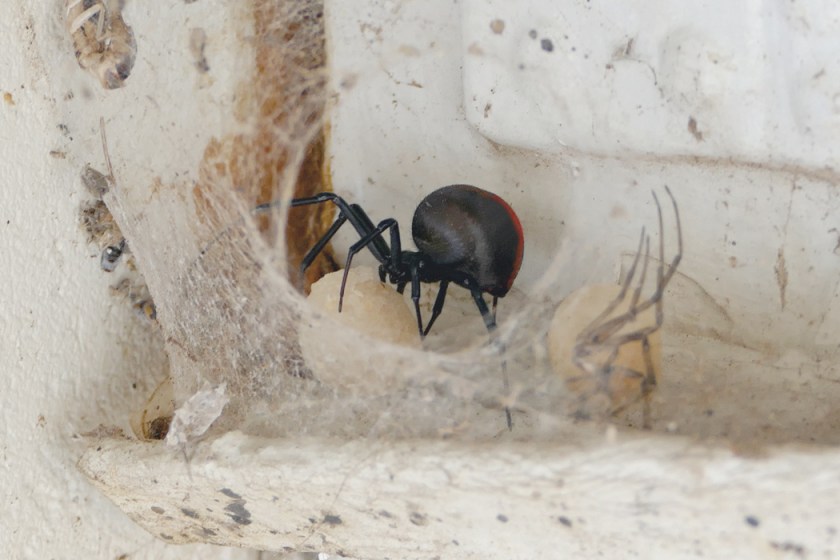
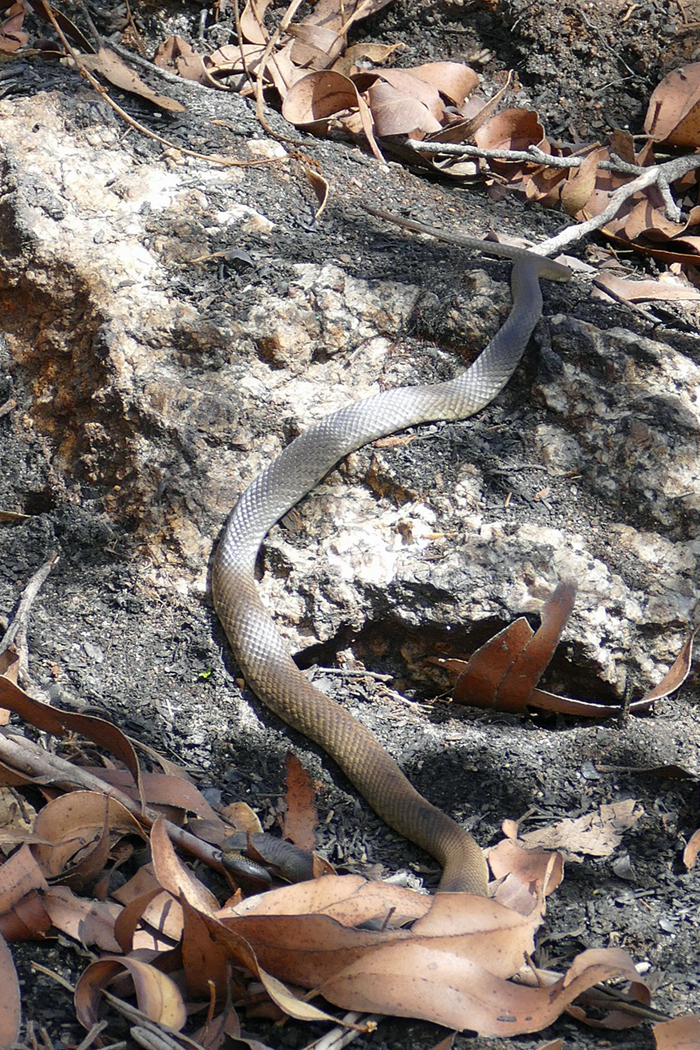
I also add a few other pictures, some spiders that we’ve seen (the redback is one of the two deadly spiders in Australia), and one of a snake. I usually don’t dare to stop and take a picture when we meet a snake. But this one was so busy eating a little lizard, it didn’t even move when we passed it. Unfortunately, it’s head was half hidden underneath some dry leaves just when I took the picture.

White-breasted Robin
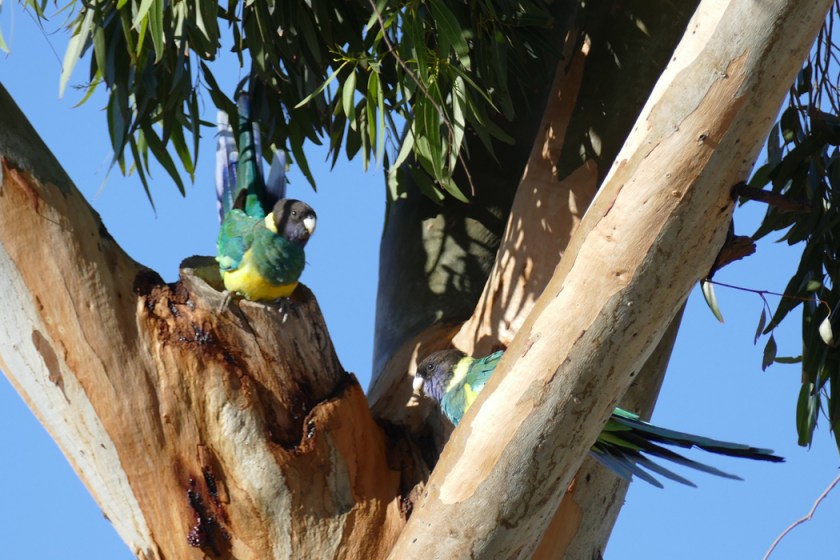
Parrot
Parrot
Singing Honeyeater
Singing Honeyeater
Pacific gull
Pacific gull

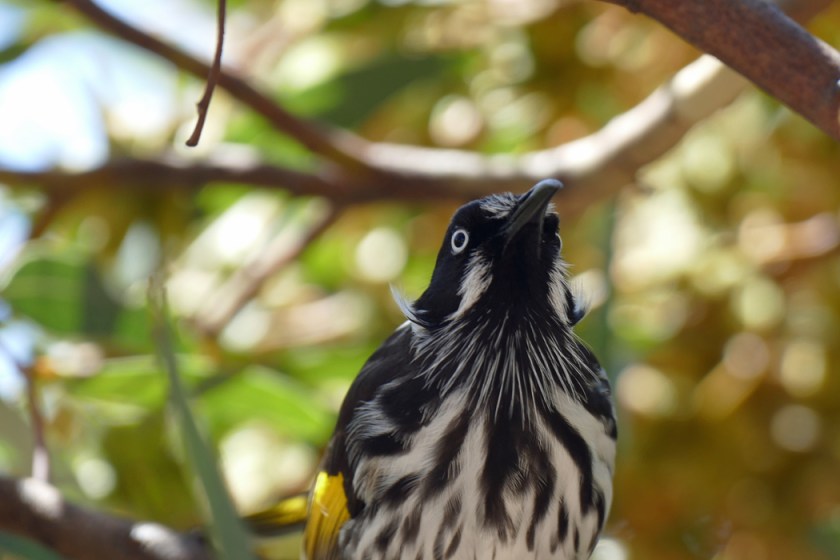
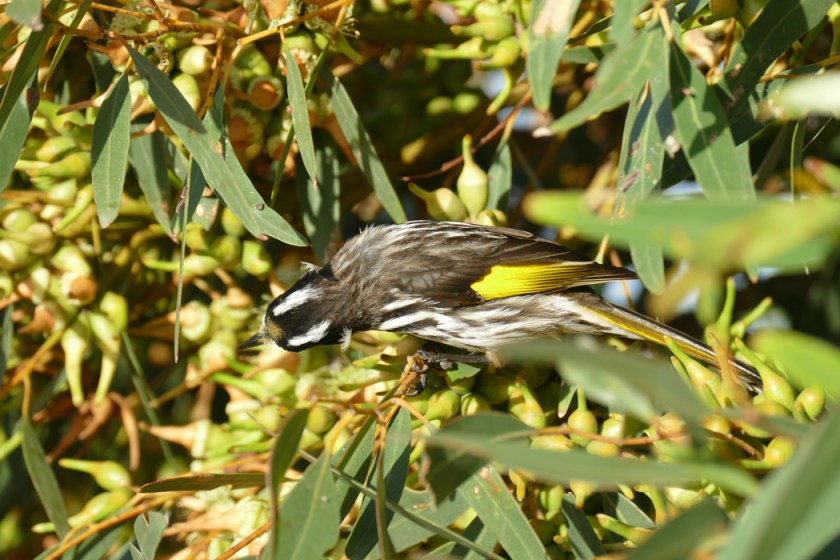
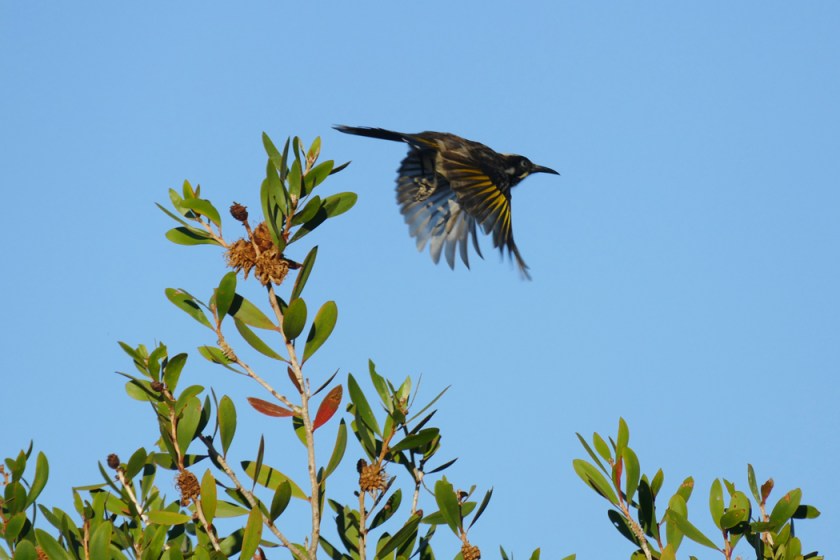
New Holland Honeyeater IINew Holland Honeyeater

New Holland Honeyeater III
New Holland Honeyeater
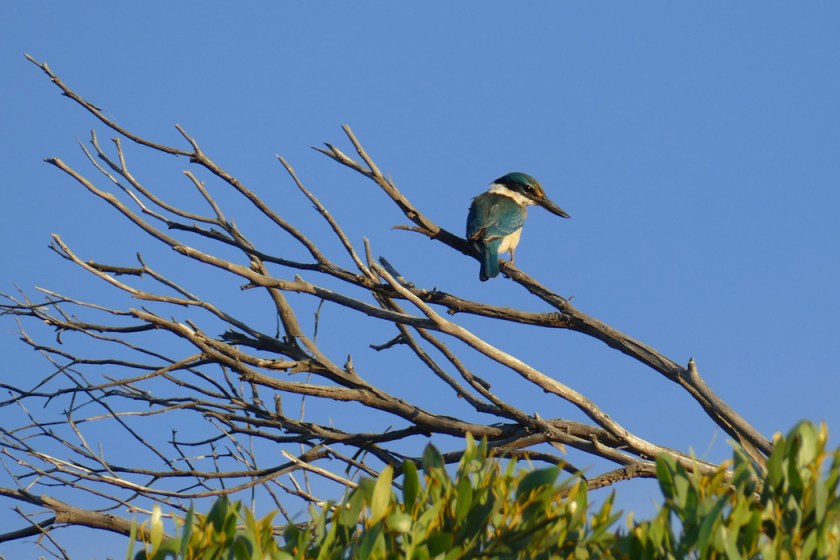
Sacred Kingfisher
Sacred Kingfisher
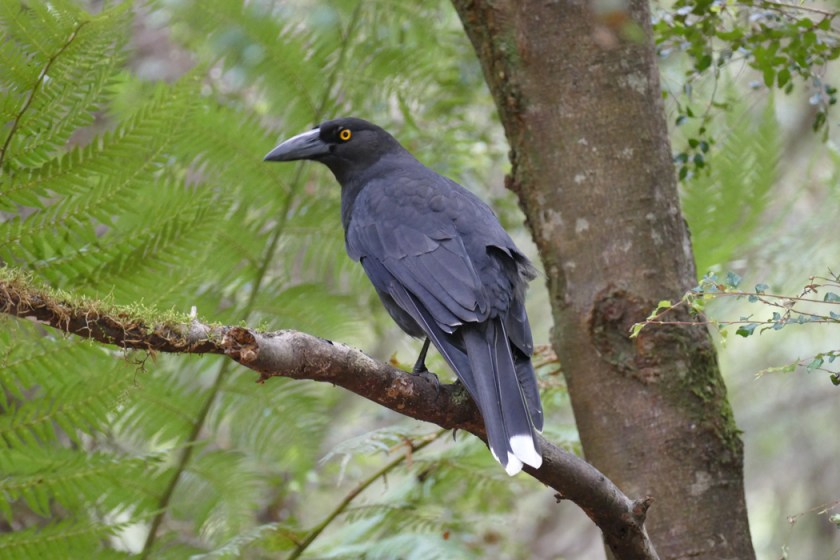
Raven
Raven
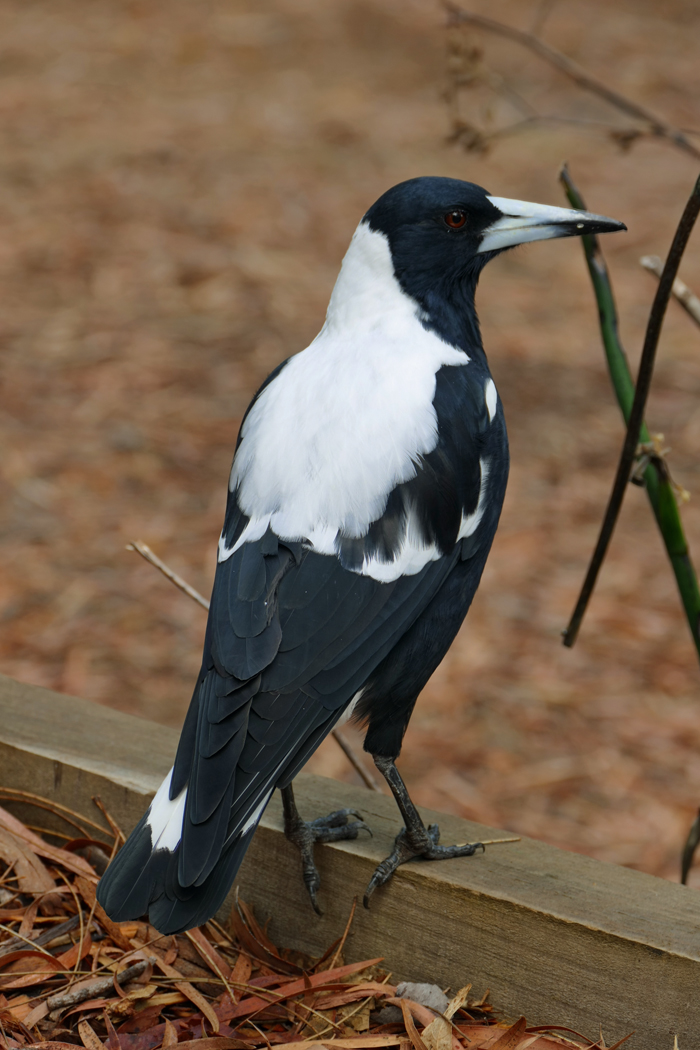
Magpie
Australian magpie
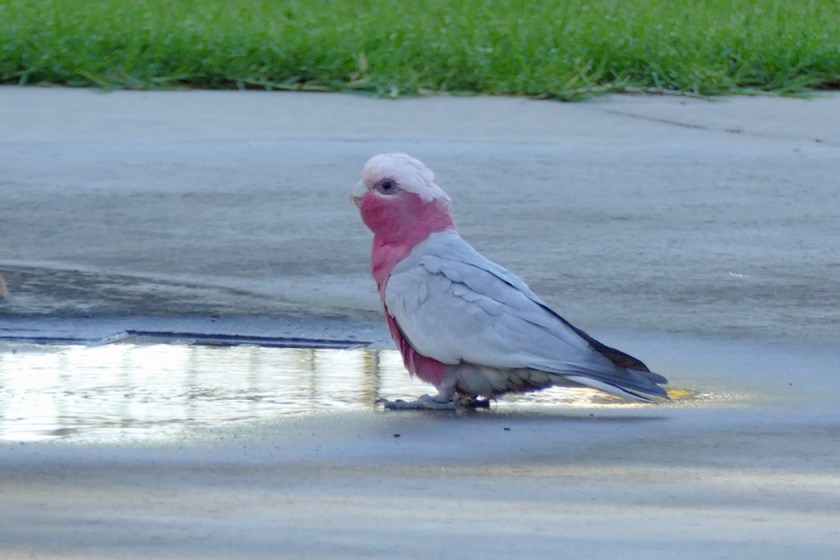
Galah
Galah
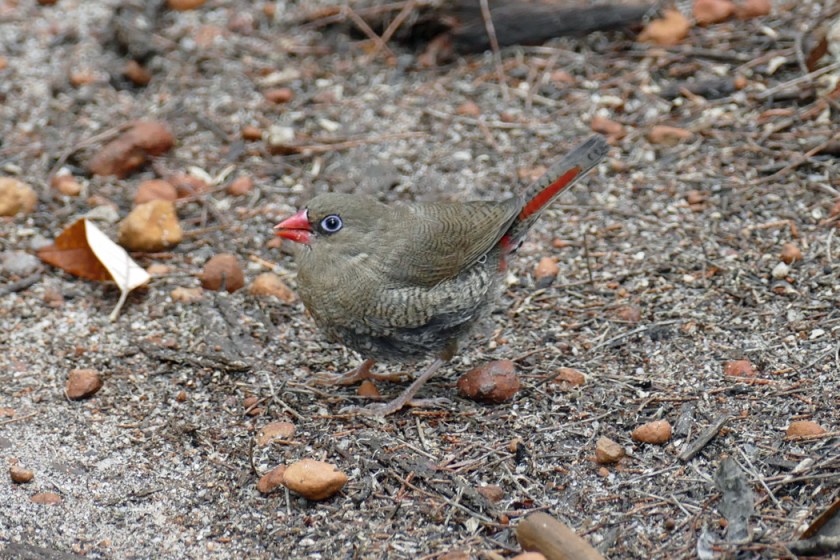
Finch
Some sort of finch
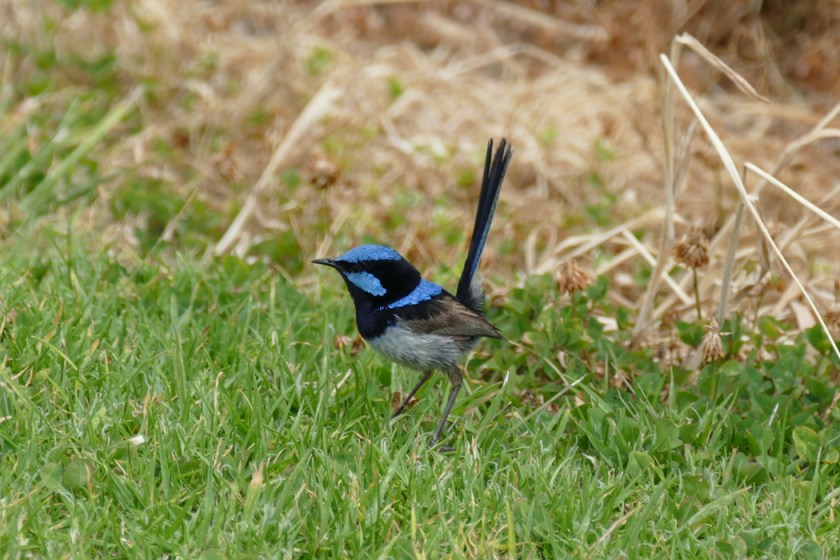
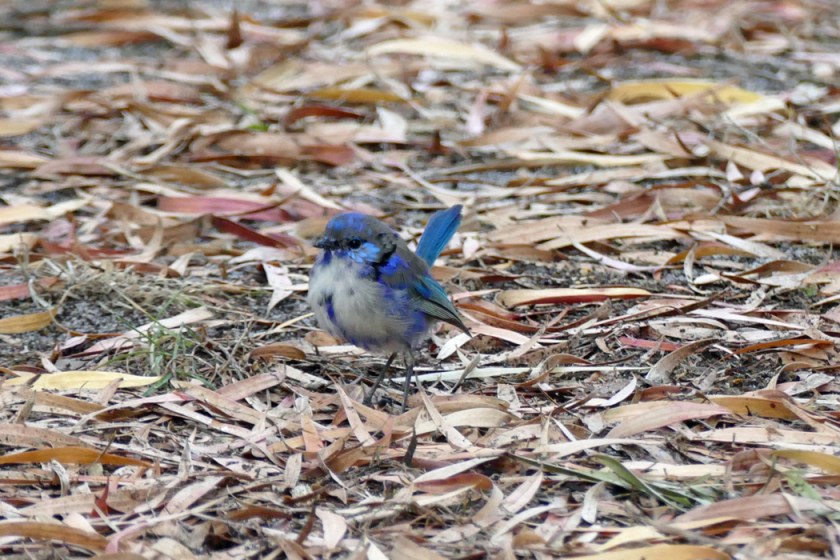
Blue wren
Blue wren
Australian magpie
Australian magpie
Australian Ringneck
Parrots
Blue Wren II
Blue wren
Unknown spider
Unknown spider
Redback Spider
Redback spider
Huntsman
Huntsman
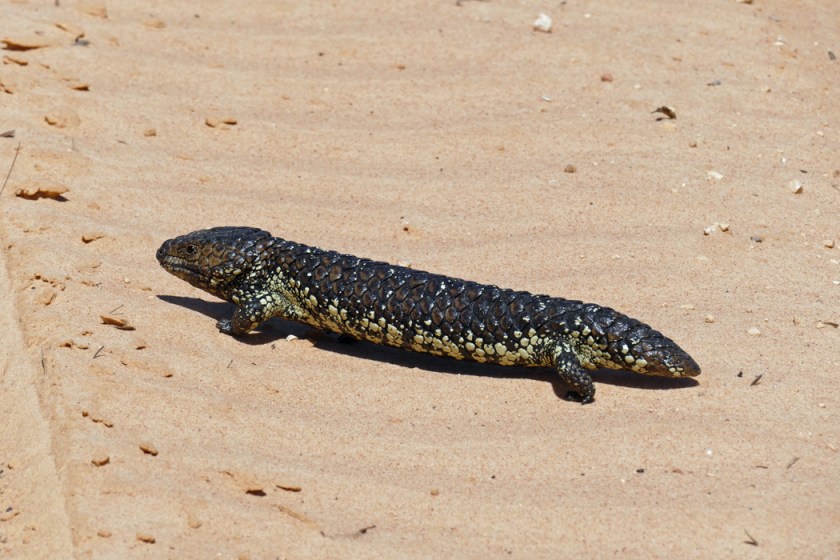
Blue-tongued Skink
Blue-tongued skink
Snake
Unknown snake (most likely poisenous)
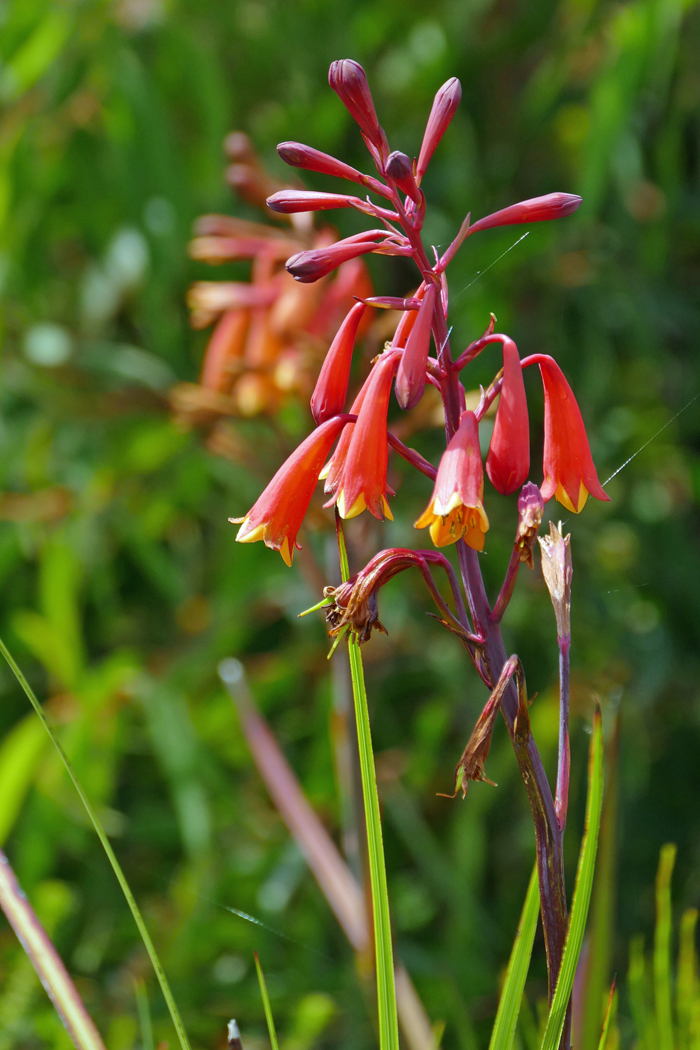
Tasmanian Christmas Bell
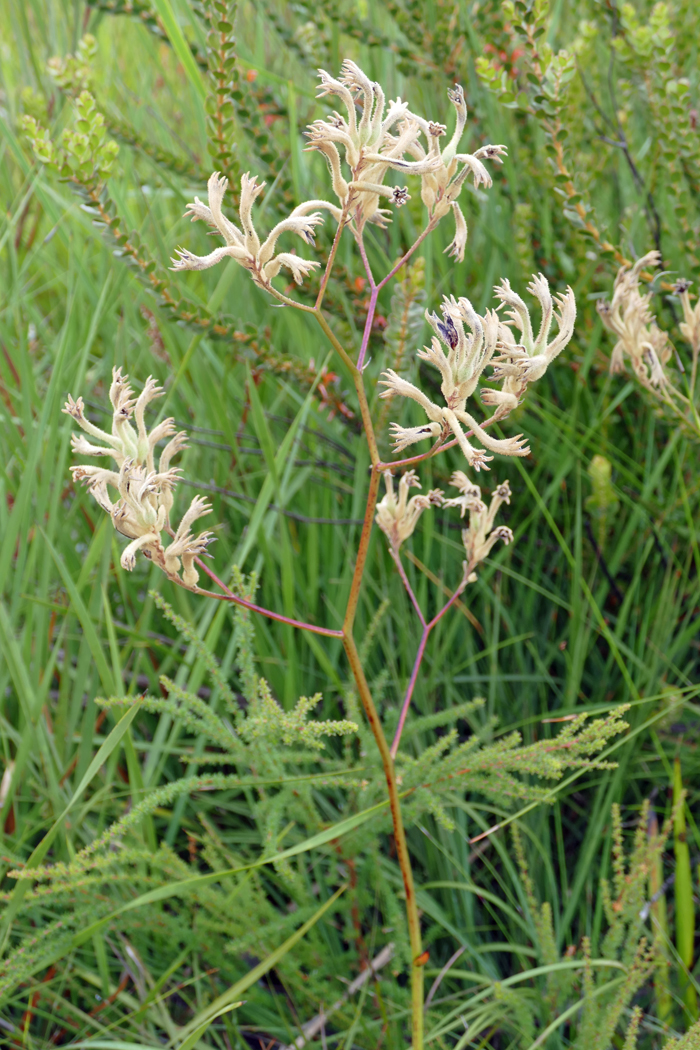
Tall kangarooo paw
Tall kangarooo paw
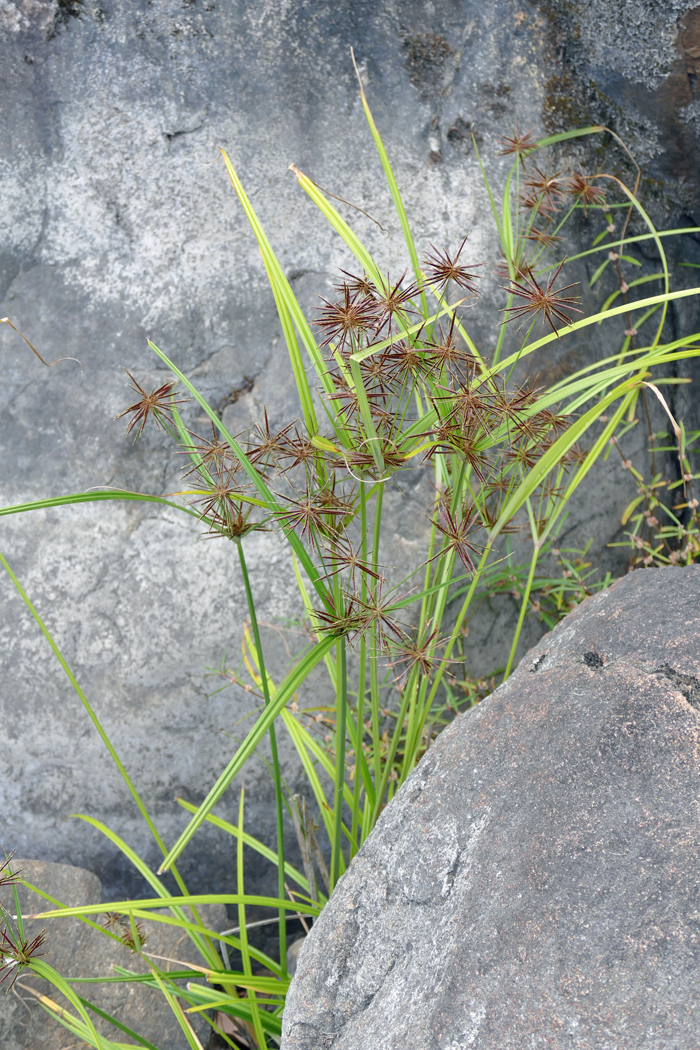
Papyrus
Papyrus
Jarrah flowers
Jarrah flowers
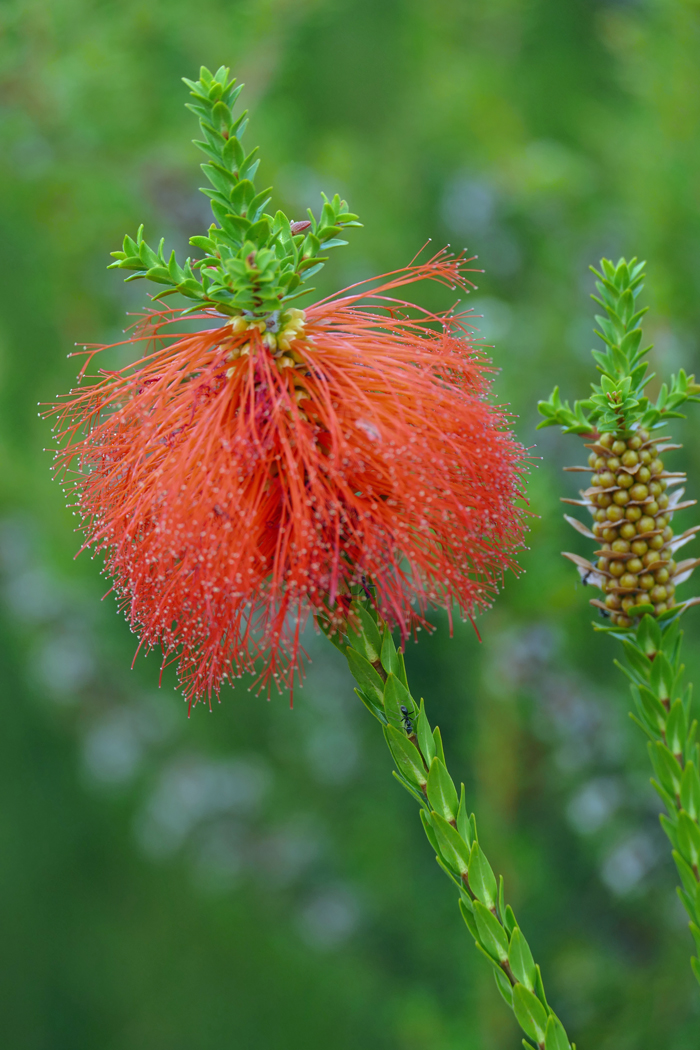
Swamp bottlebrush
Swamp bottlebrush

Gold and rain

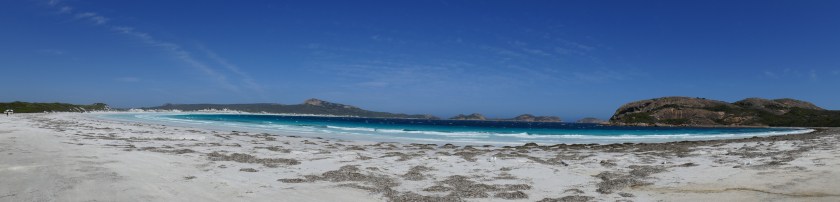
Lucky BayEsperance in Australia’s Southwest is known for its beautiful beaches, and Lucky Bay is the one everybody wants to get to. Camping is limited to 50 sites and you must arrive early, before nine, to grab a spot that might get available. So that’s what we did, left Esperance early morning and drove the 60 kilometres to Lucky Bay. We were car number three when we arrived there just after eight. And we were lucky and got a great spot in the lowest row, surrounded by low gum trees and with a stunning view over the bay. Spending the day snorkelling, reading, relaxing and playing games, we felt quite lucky at Lucky Bay.

Snorkelling

In good companyUnfortunately our happiness didn’t last too long. When it was time to go to bed it started raining, and it hasn’t stopped since. Right now I’m sitting in a barbecue shelter and the rain drums loudly on the tin roof. The night was not too bad, the bed only being humid, not wet. We had breakfast in our tent, just enough space for three chairs and a table, though not enough space to spend the day for the three of us, so I really hope the rain will stop, the sun will come out and we can hang out our humid sleeping bags and sheets.

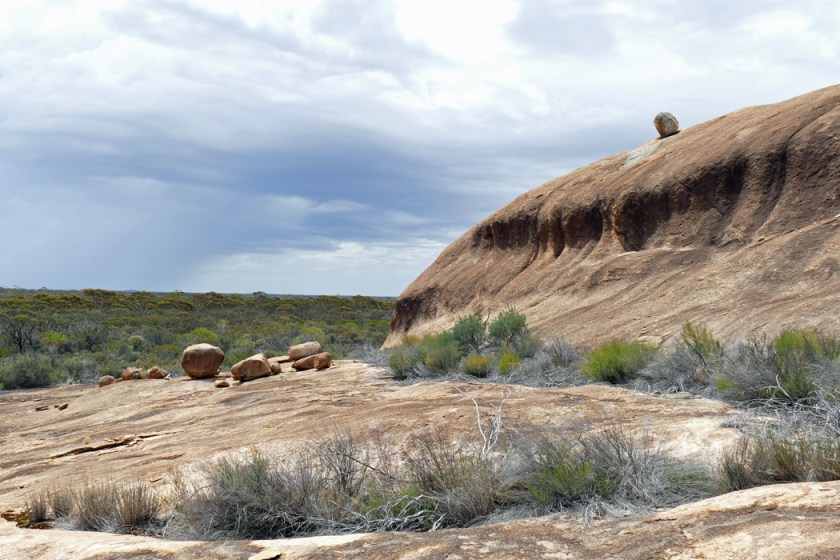
Before we came down to Esperance, we spent a few days inland. We drove along the Woodlands and Granite Discovery Track which was a very pleasant trip through beautiful gum forests, except for the areas that recently or less recently burnt down – quite a common sight here.

Fires are usually just left to themselves and burn out eventually. Area and remoteness are too enormous that any fire fighters would stand a chance to extinguish it. We also learnt that nature is gaining from a fire now and then, some plants are even depending on it. So we’re not as shocked or impressed about it as we were on our first trip years ago; it just belongs to this country. As long as it’s not close to civilisation or us! On the way, there were lots of signposts with interesting information about the area and its history. Since the 1890’s people have been and still are digging for gold and other minerals. We also drove by very fascinating granite outcrops, huge monolithic hills lying here and there in the landscape.

McDermid Rock
McDermid Rock
Disappointment Rock
Disappointment Rock

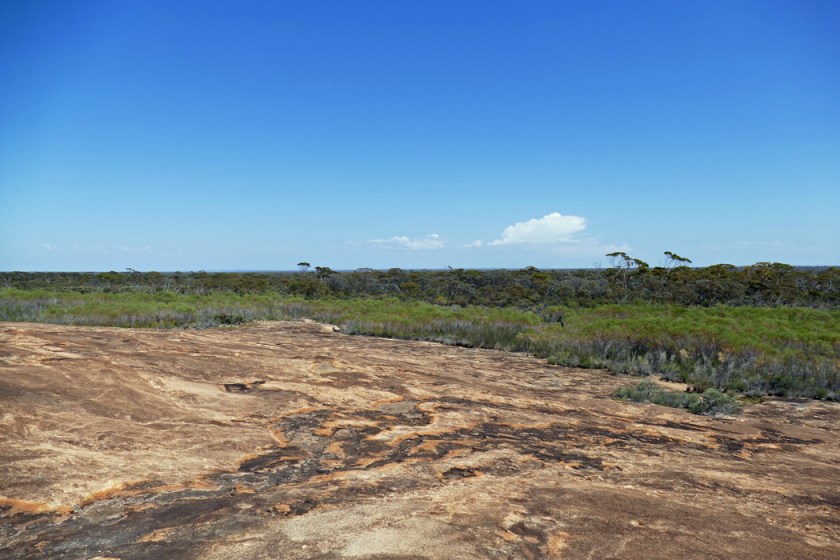
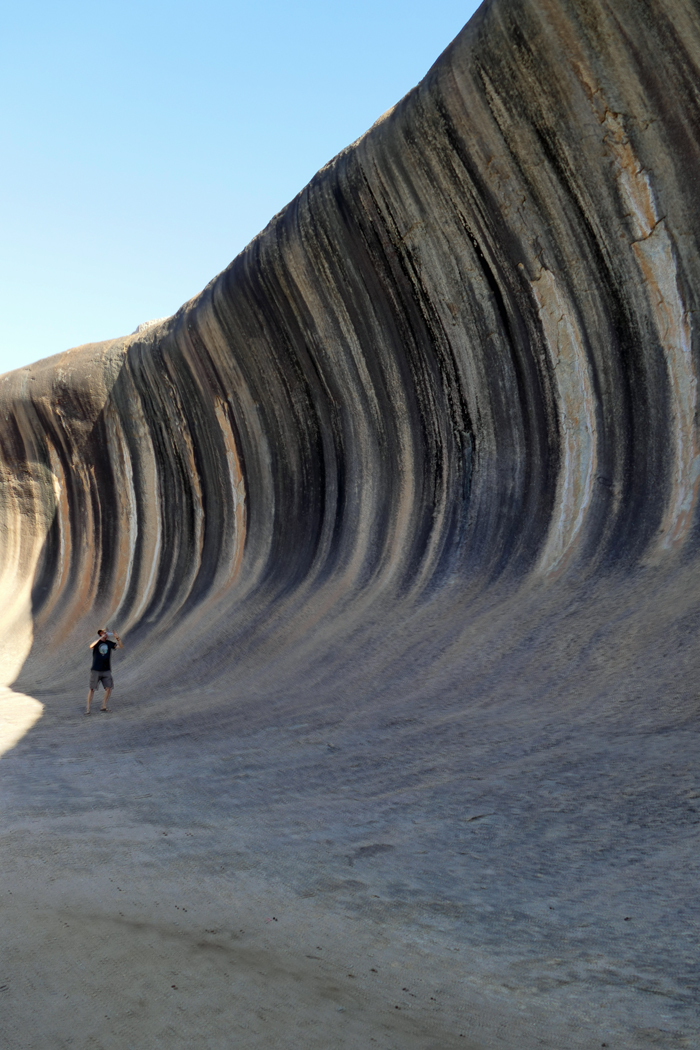
We did a few walks on and around them (Disappointment Rock and McDermid Rock) and enjoyed their complete remoteness. We hardly met anybody on these 300 kilometres, except for one or two road trains working in the mines. Wave Rock in Hyden was much busier, being one of the most visited tourist attractions of Western Australia. It is an impressive scene, though we agreed that we prefer places less commercialised.

Wave Rock
Wave Rock in Hyden

At the local museum we read that there were 93 hotels here in the twenties! We also learned a lot about gold, how it originally was created, how it is processed and what it is used for today. I liked the spirit of this town, its Mediterranean flora, its architecture, the heat of the day and the cool nights.

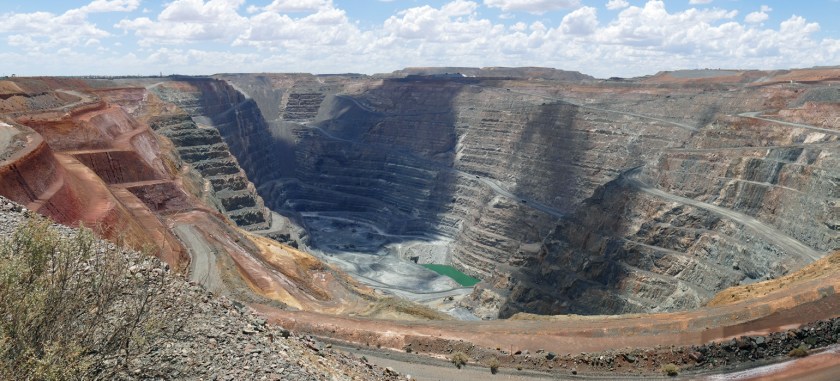
One day we went to see the Super Pit, one of the world largest open mines (producing around 20’000 kg per year, 250 to 300 kg for every million tonnes of ore extracted). From the lookout we had a great view all the way down into the big crater, 3.7 kilometres long, 1.5 kilometres wide and 480 metres deep. Super Pit

Bucket
Bucket size: 32 cubic metres. Bucket weight: 68 tonnes.

Huge, heavy loaded Caterpillars drove up along the sides at a snail’s pace. We even witnessed a blast – the times are daily published for the tourist. It was a great sight!

…It is still raining heavily and I’m afraid it is going to continue for hours. That means wet clothes, meals cramped in our 4 square metres and in the worst case humid beds tonight. But that’s part of this way of travelling, being exposed to the weather. We can’t even check the weather forecast, since there is no coverage.  We can only wait, be patient and make the best out of it.

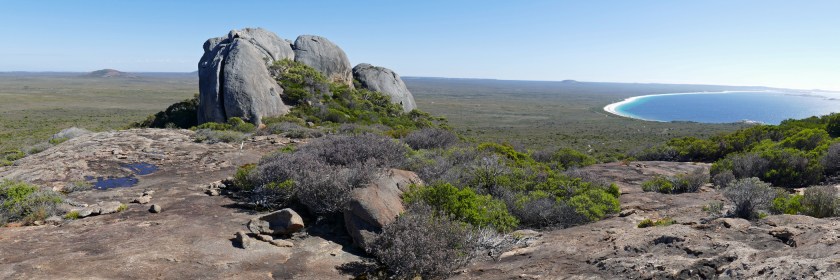
PS: the rain actually stopped a few hours later and we got a couple of beautiful days at Lucky Bay. I used the opportunity and did a few walks, Lucky Bay to Rossiter Bay and Frenchman’s Peak. Absolutely stunning!

Rossiter Bay
On the way to Rossiter Bay (Cape Le Grand National Park)
Frenchmans Peak
From the summit of Frenchman’s Peak (Cape Le Grand National Park)

During our third and last night there it started raining heavily again, accompanied by endless thunder and lightning. We left this paradise with a wet tent, humid sleeping bags and sheets, and are taking in to a cabin tonight!