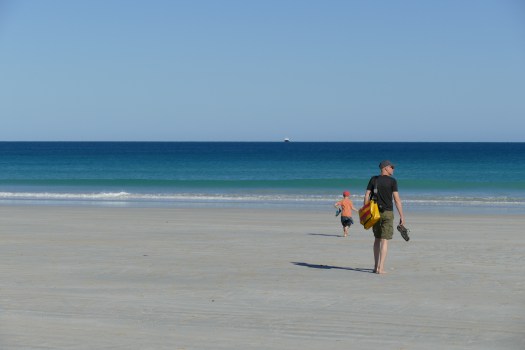

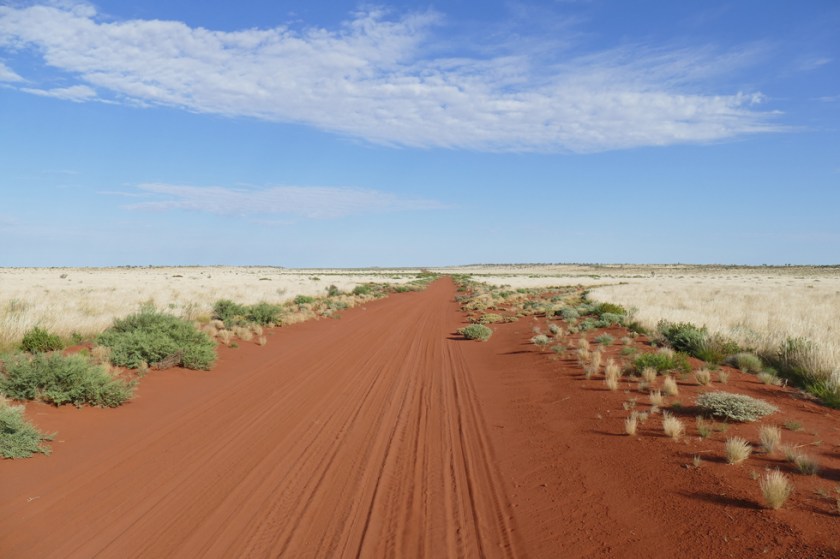
We’ve just spent the last seven days driving through the outback east and northeast of Alice Springs, and I must admit that I just LOVE the outback. Endless horizons, endless dirt roads, endless starry skies. It just doesn’t get better. Some numbers to make you understand how remote it is here: the density of the Northern Territory is 0,16/km2. Compare this to Norway with 16/km2 or Switzerland with 195/km2. Or shocking 6777/km2 in Hongkong. No wonder we hardly meet another car during a long day’s drive.
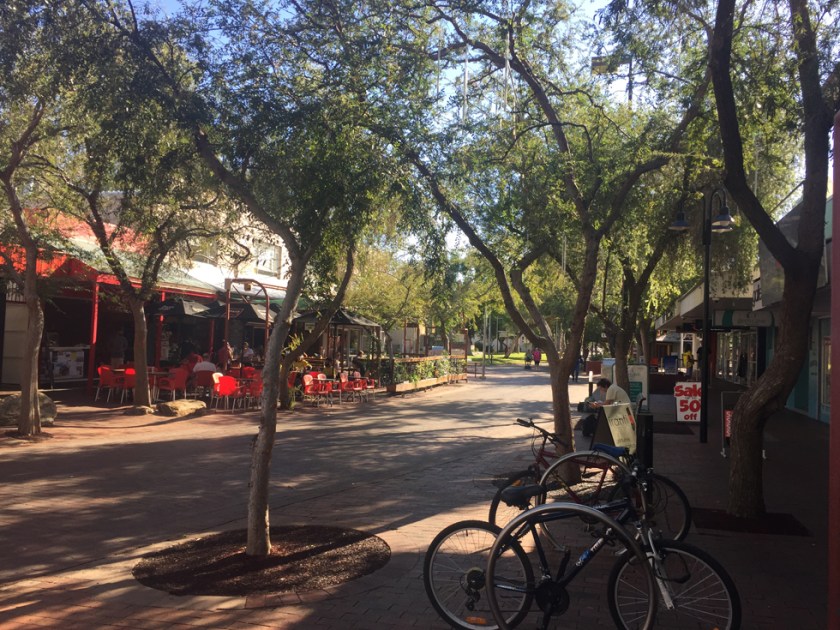
But before we got here, we spent a couple of days in Alice Springs. We had heard quite a bit about Alice Springs, both positive and negative. But our impression was entirely positive. The town is very pleasant, green, clean and tidy, with an inviting main road lined with cafés, art galleries and souvenir shops.
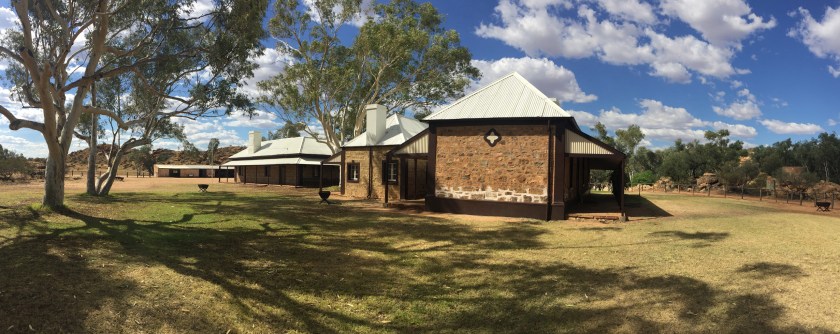
During the two days here we visited some of the towns attractions like the Museum of The Royal Flying Doctors Service and the Alice Springs Telegraph Station. The Telegraph Station was midway along the Overland Telegraph Line from Darwin to Adelaide, which played a key role in Australia’s development. Opened in 1872, the line suddenly reduced the isolation of Australians from the rest of the world.
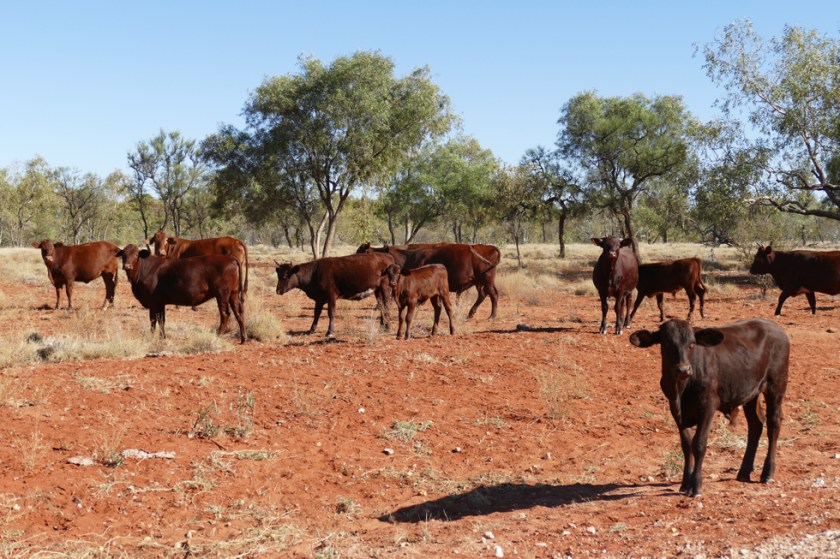
From Alice we continued east along the northern part of the Binns Track. This is one of Australia’s iconic 4WD trips, 2191 kilometres long all together, starting in Mount Dare in South Australia and going all the way up to the Kimberley. The section we chose to drive heads east through the East MacDonnell Ranges and up to Davenport Ranges National Park, ending in Tennant Creek back on the Stuart Highway. It is far less crowded and less touristy than the West MacDonnells, which we liked a lot.


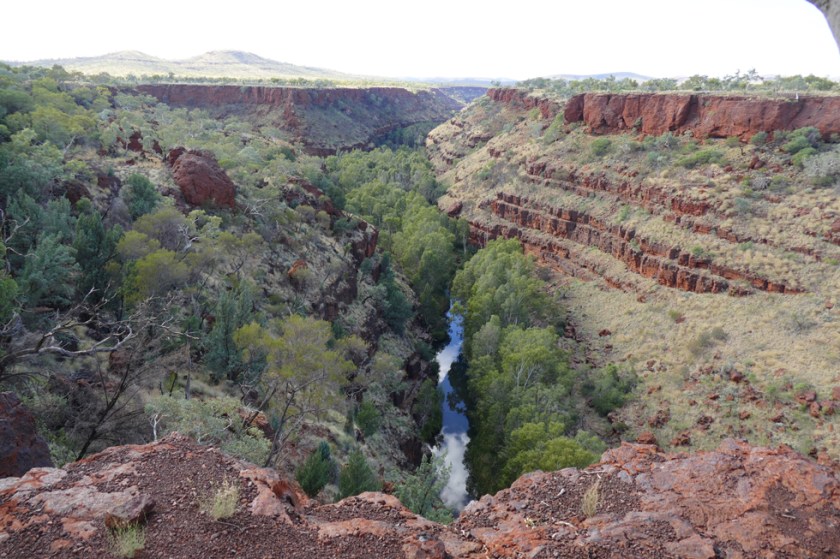
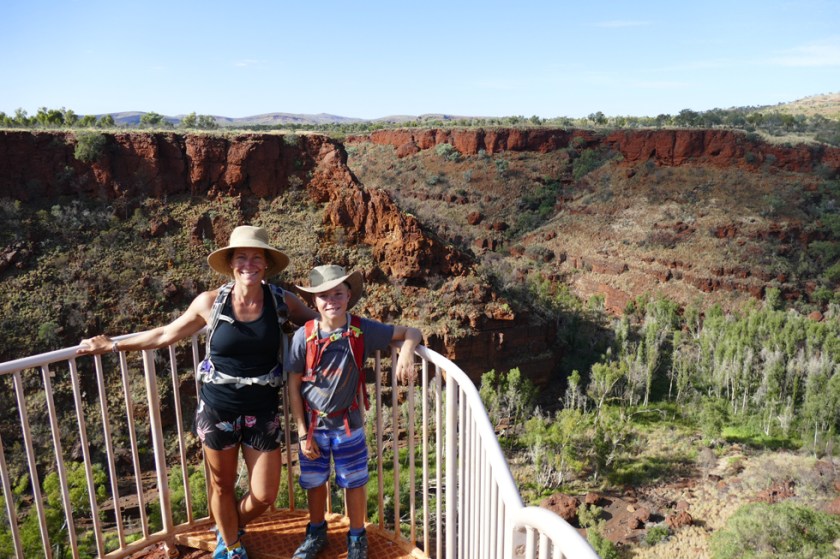
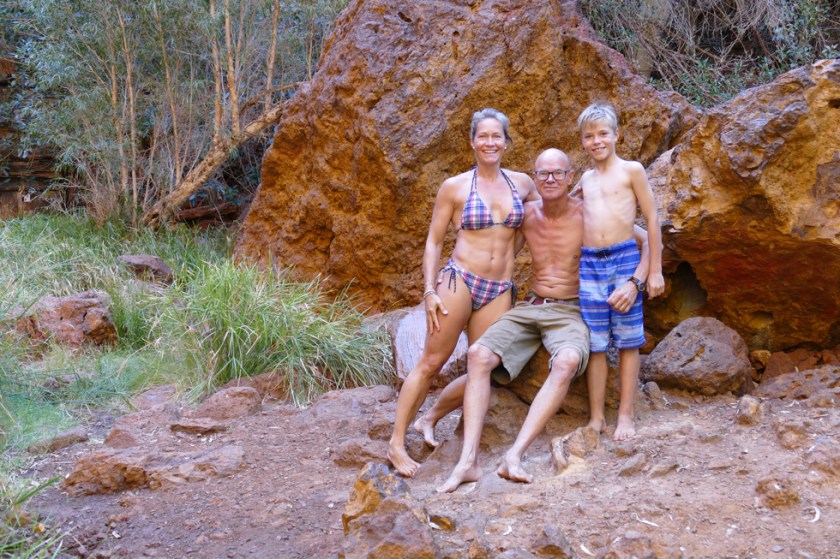
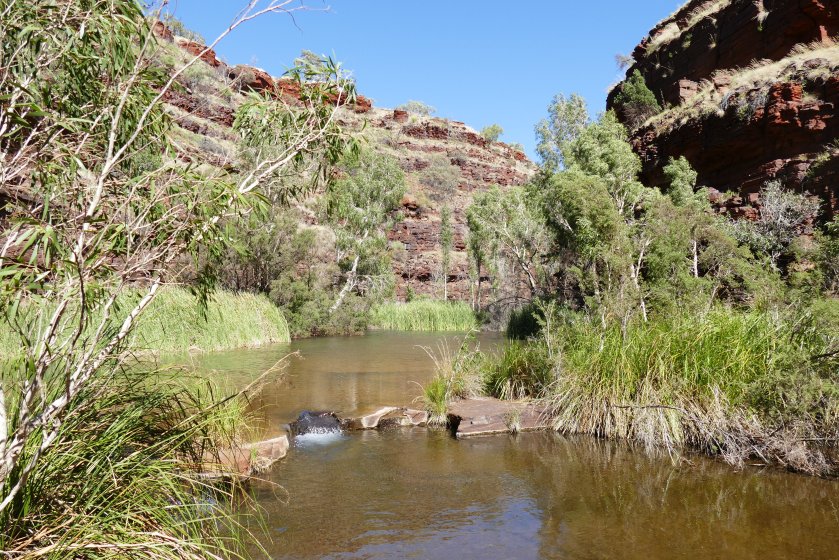
It’s all about beautiful gorges (the pictures above are from a beautiful hike in John Hayes Rockhole), mountain ranges and downs and plateaus, passing huge outback stations. Some of them have opened their properties to tourists and offer supplies, meals, accommodation, camping and sometimes local tours.
We stopped at several of them, though liked one of them more than all the others: Hale River Homestead.
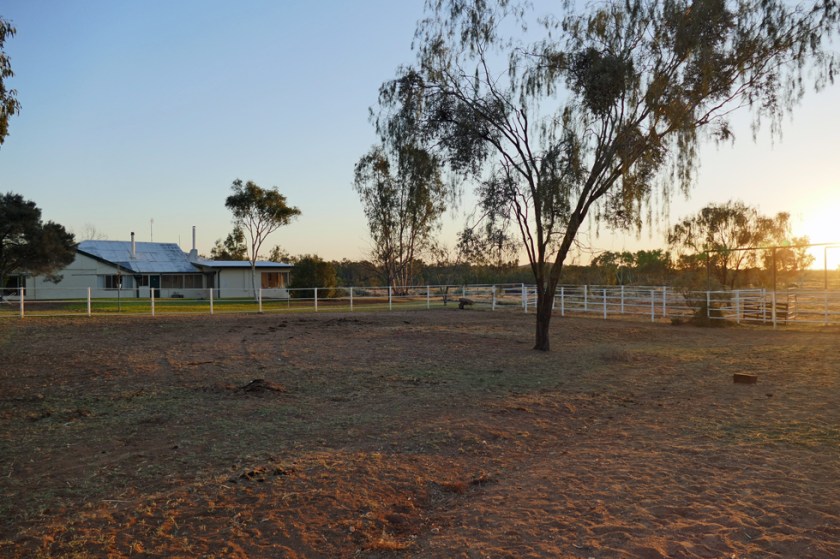
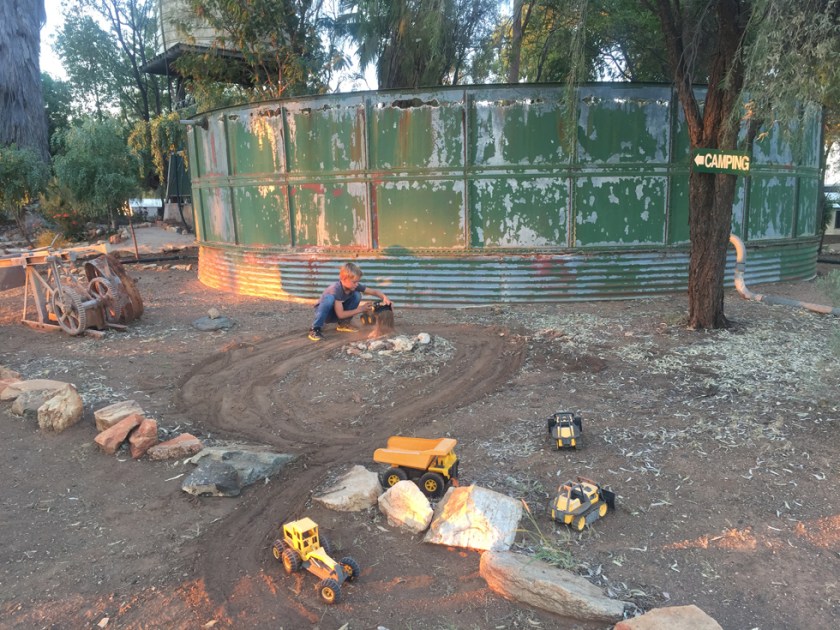
The station is a 3000 square kilometres working cattle station and is one of the original properties settled in Central Australia in the early 1900s. We had intended to stay one night, but stayed two. I was overwhelmed with the beauty of the place and the hospitality of its owners. A kind of peacefulness overcame us here. Robin was busy playing with the grandson of the owners and we didn’t see much to him while being at the homestead. One evening we enjoyed a homecooked meal, sitting around a big table together with the owners and two other guests, listening to their stories about droving, farming and the old days.

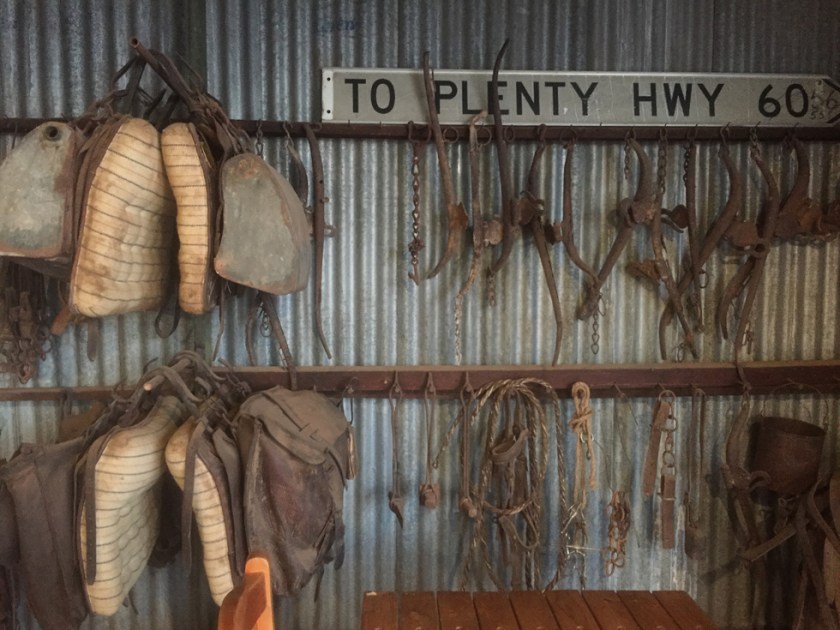
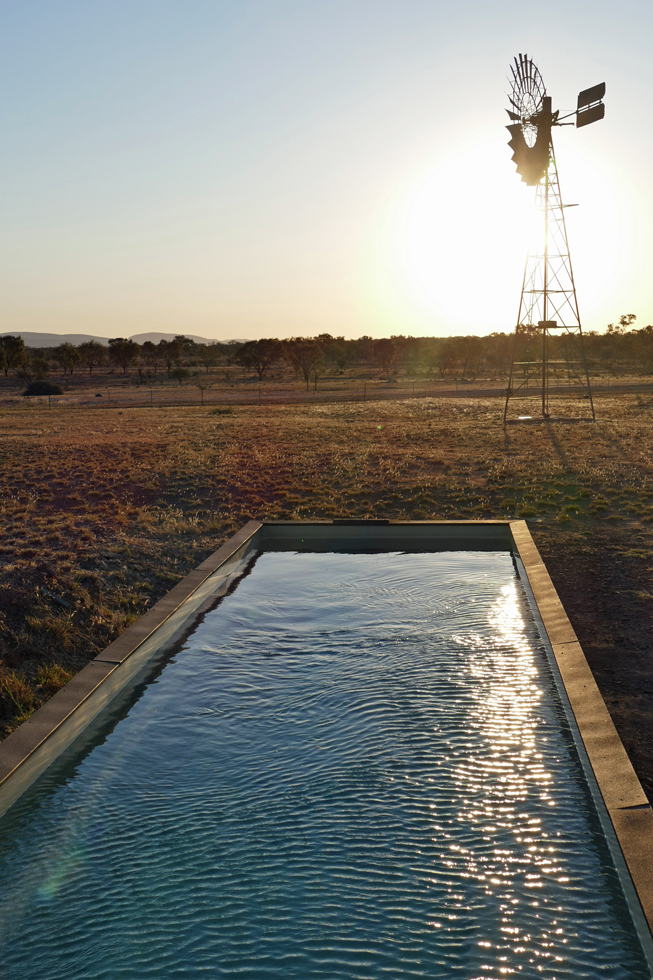
One day we drove to nearby Arltunga, the remains of Central Australia’s first town, born out of a gold rush in the late 1800s. We explored old mine workings, residential areas, the refurbished Police Station, the Government Battery and the graveyards. It gave us a good impression of the miner’s life, the harsh conditions due to lack of water, extreme isolation and extreme heat in the summer months.


Next stop was Gemtree, where we joined a fossicking tour. We felt like real gold-diggers, even if we were looking for the gemstone called Garnet, not gold. But we felt the fever, digging deeper and deeper, sieving again and again, waiting for the big one… We didn’t find any big ones, but plenty of small ones, and had a lot of fun! And I will be able to have made some jewellery out of it, once we get home.


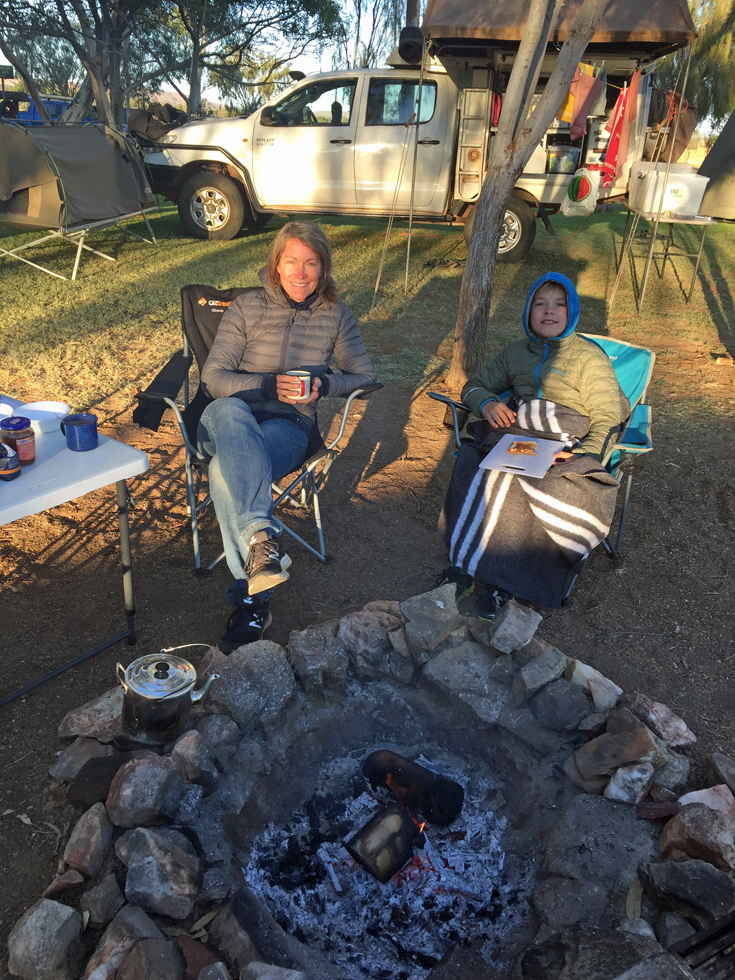
Further on we drove to a bush camp called Tower Rock, a little sideway to Binns Track. Imagine a plain surrounded by huge red boulders, ghost gums and grass. All to ourselves. Absolutely stunning!

We liked it so much out here, that we didn’t leave after one night, but spent the most relaxing day here. The day started with Robin and me climbing the closest boulder to enjoy the sunrise. After breakfast we did some home schooling, different subjects like sports, geometry, natural science and German being on the agenda.


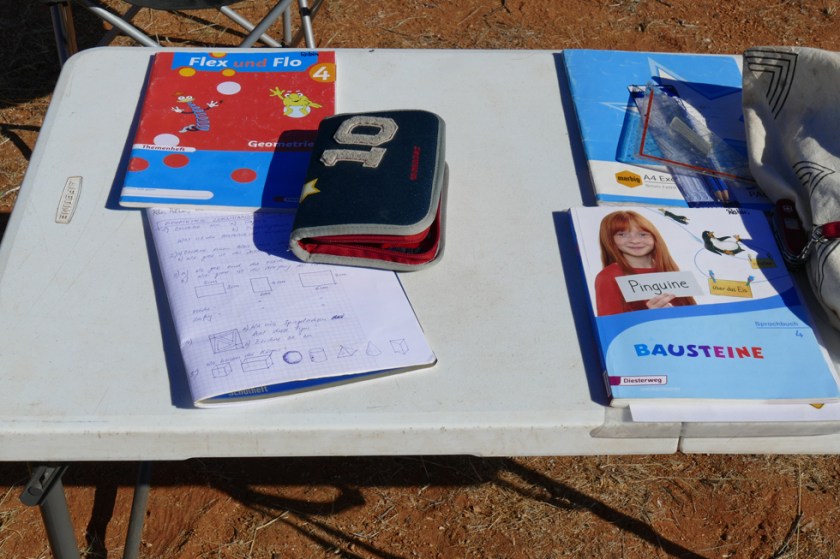
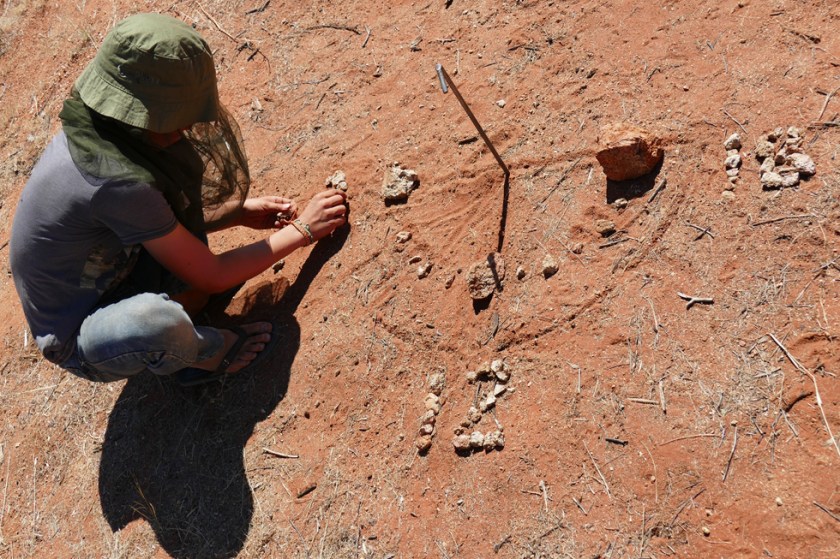
There was also plenty of time to play, read, collecting firewood and another hike up to the highest point with an amazing view.


In the evening we sat around the campfire and talked about how it will be once we get home. A trip like this puts things into perspective, no doubt. You get to know yourself better, find your limits, define what’s essential. We’re all quite curious about how this long time abroad will mint us. Time will show. Right now, we’re just grateful for being here, together.
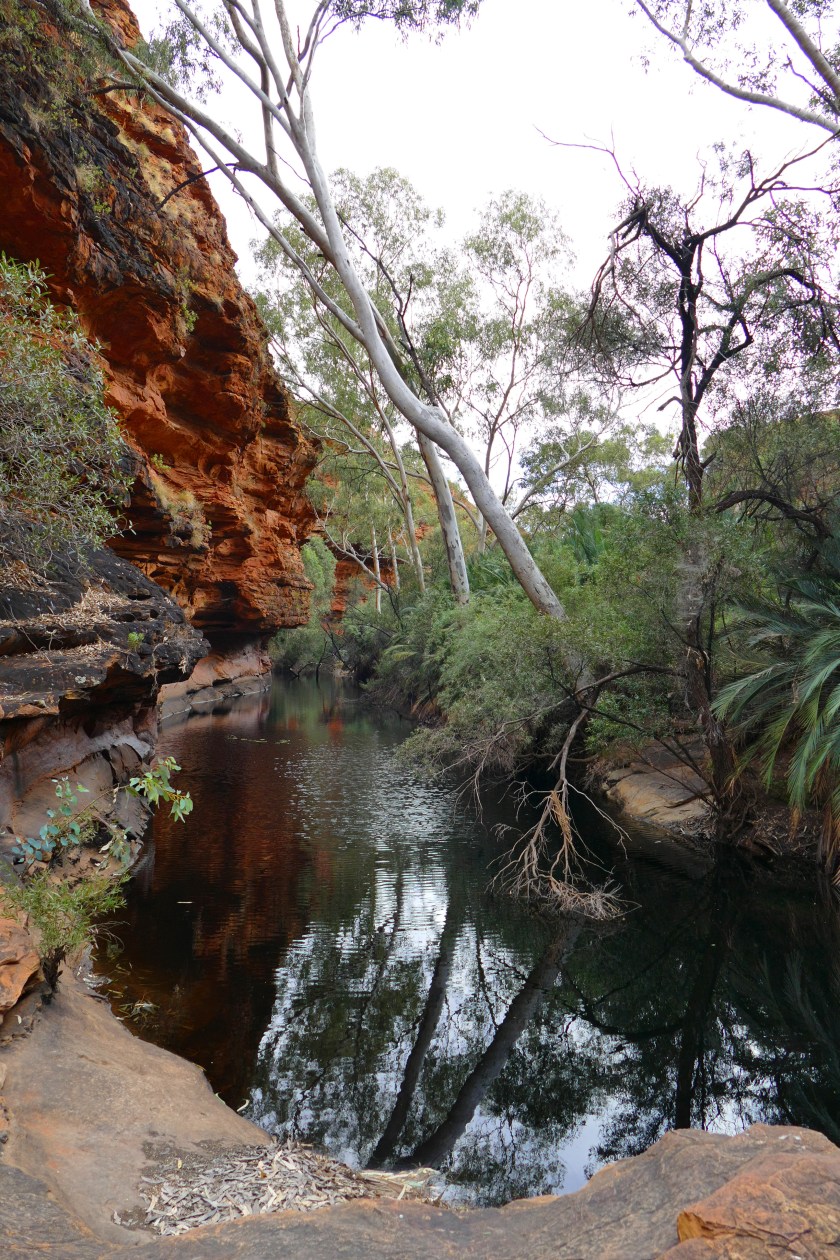
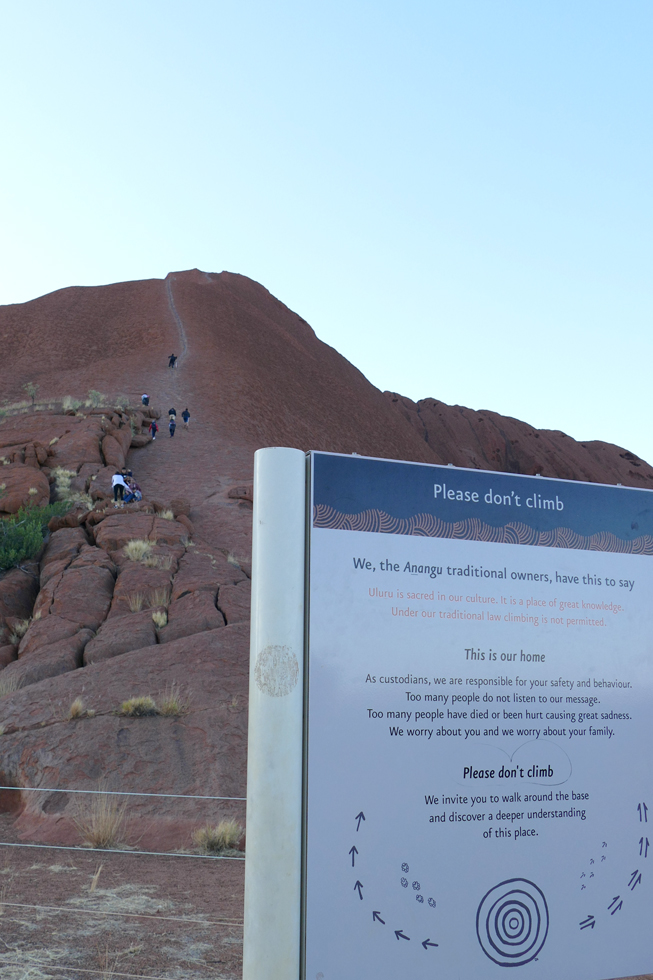
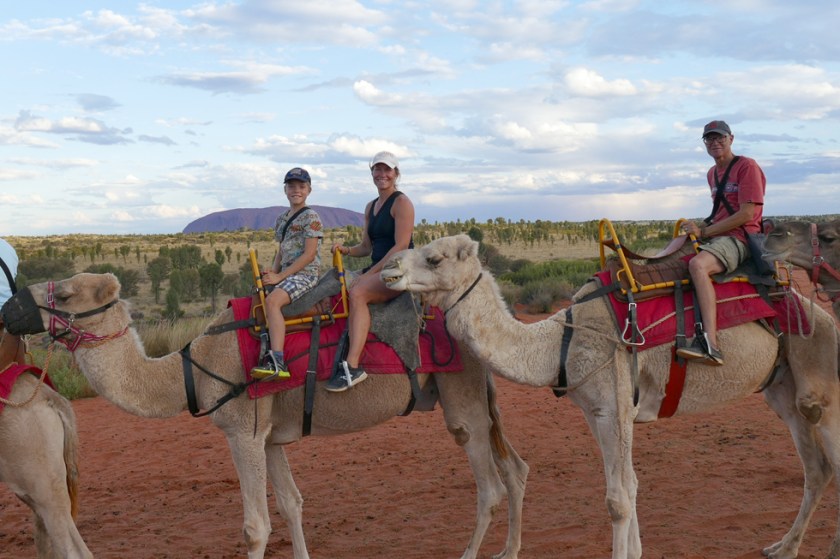
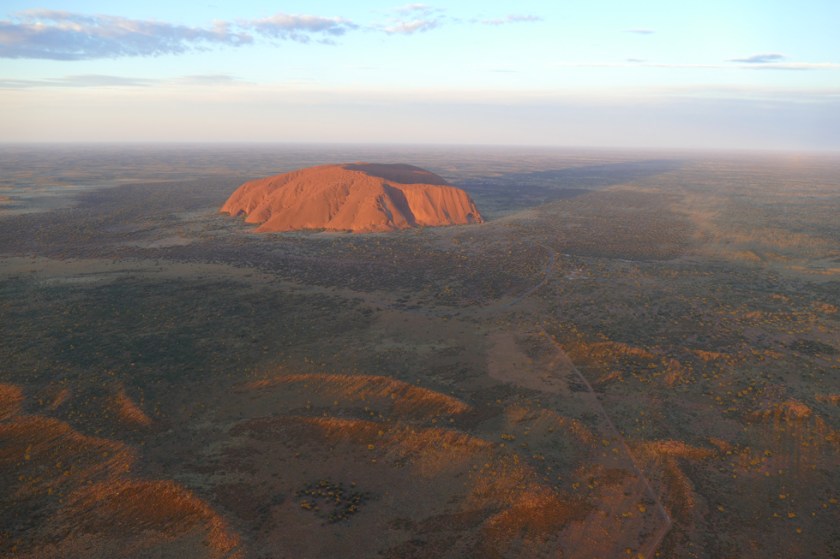
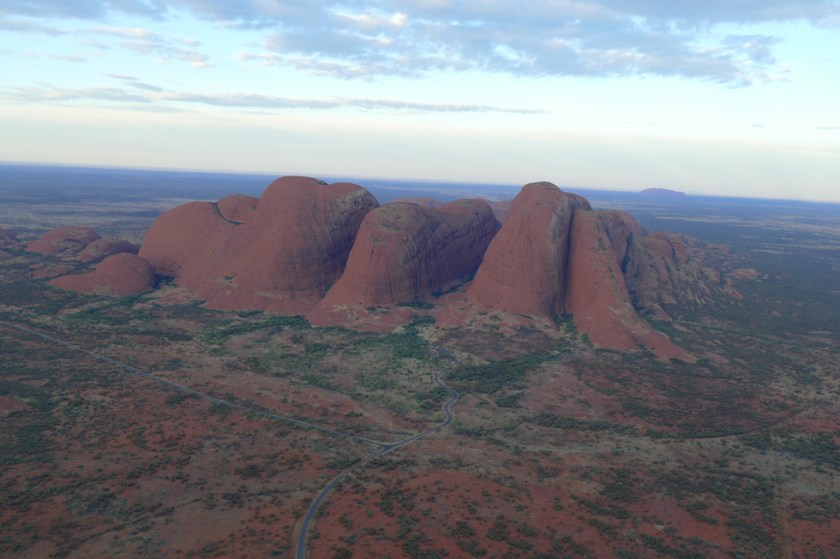
 Travelling in the Red Centre to places like West MacDonnell Ranges, Uluru and Kata Tjuta came almost as a little shock to us. After many days in remote outback areas, having the road and campsites to ourselves, we were suddenly met by lots of travellers from Asia and Europe in their big motorhomes, crowded campsites and parking lots at the different sights. It’s easy to understand though why so many choose to travel here – it’s here in the Red Centre where you find the most known, most photographed and most iconic attraction of Australia: the Uluru. Or just the Rock, as the Aussies often call it.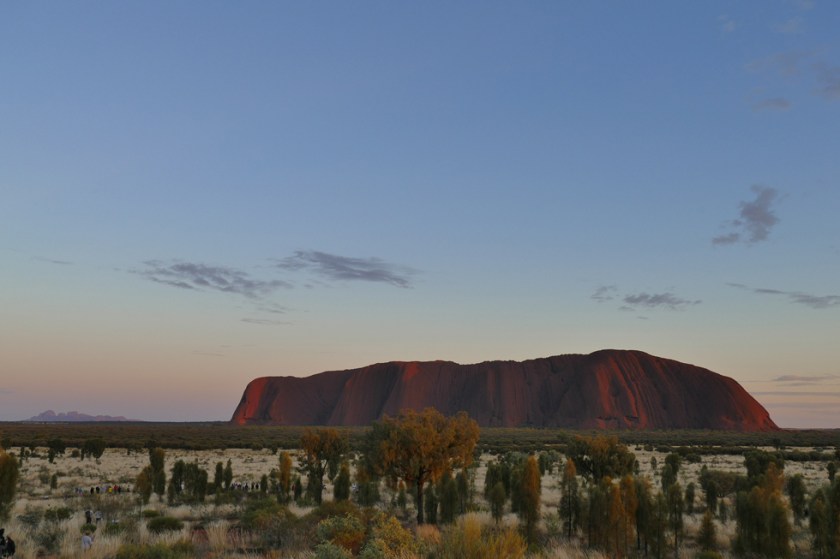
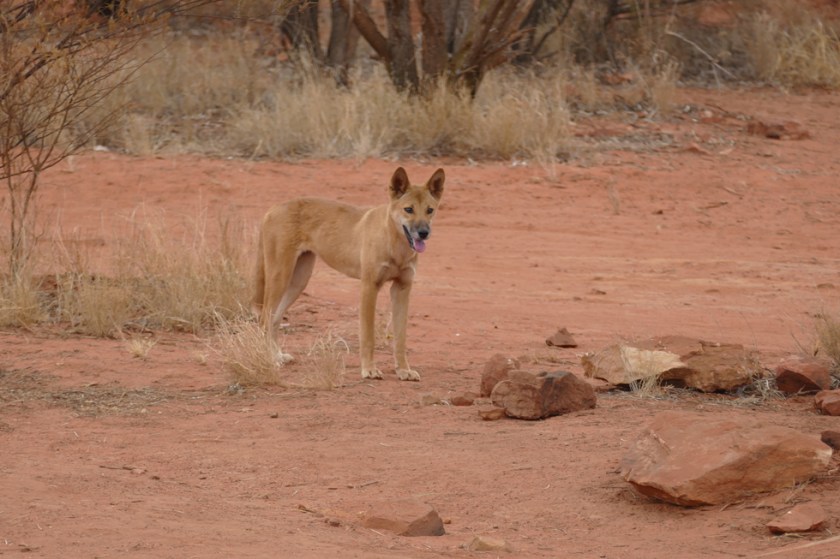


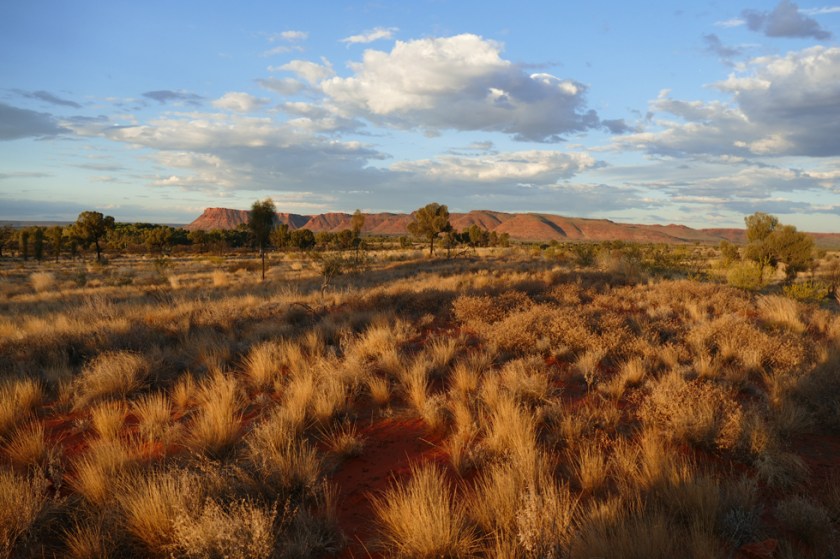
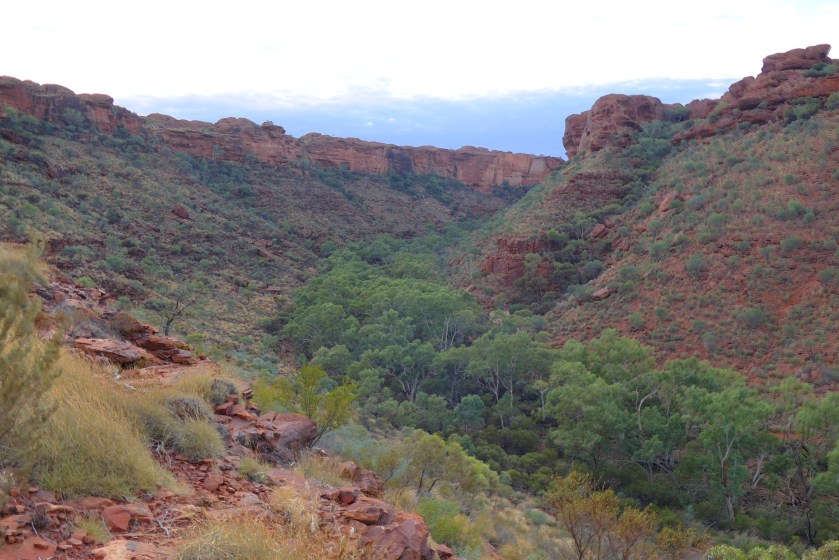

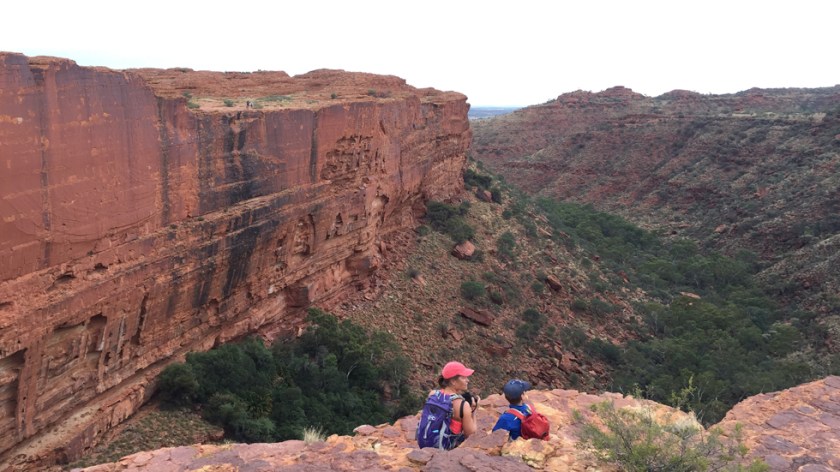






 A
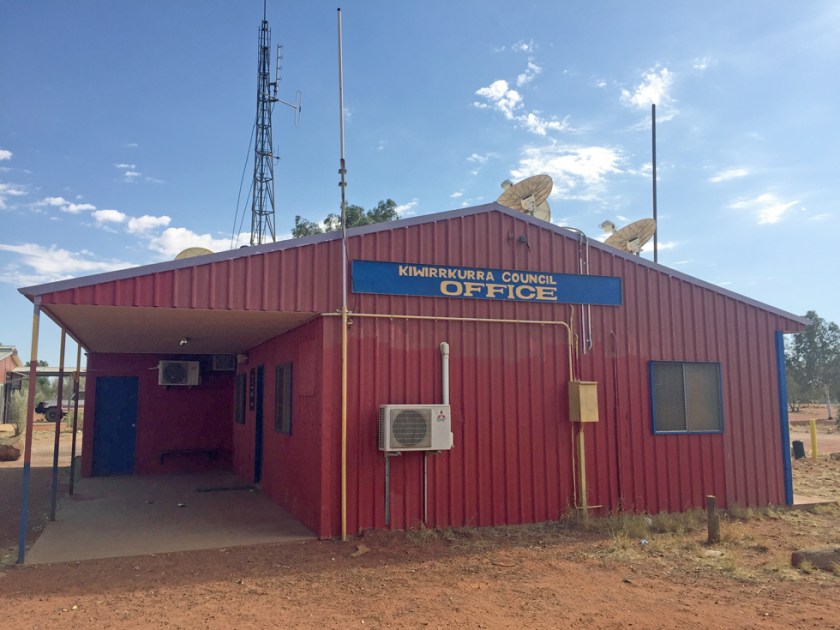
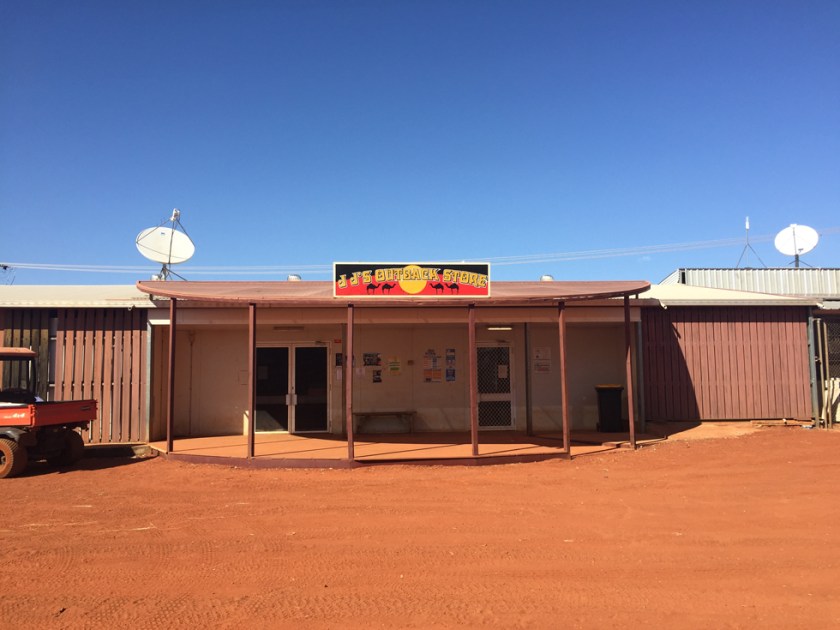
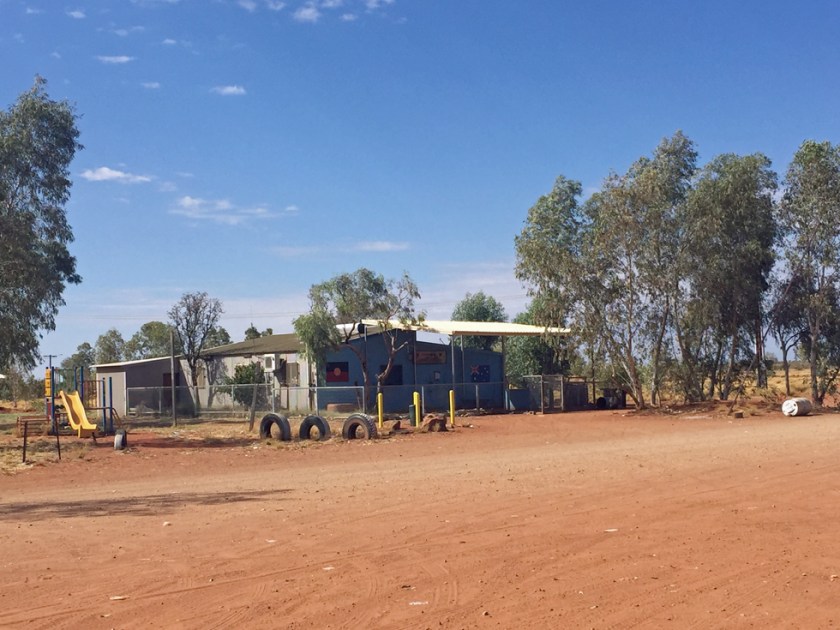
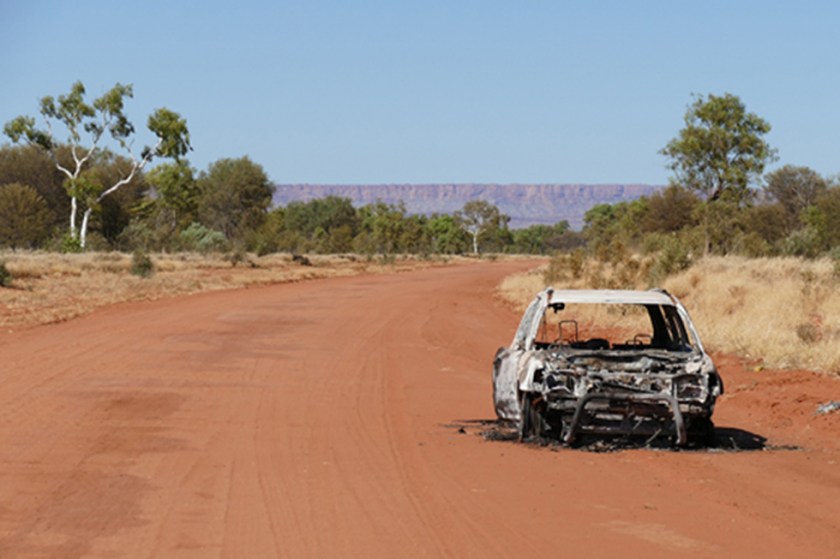
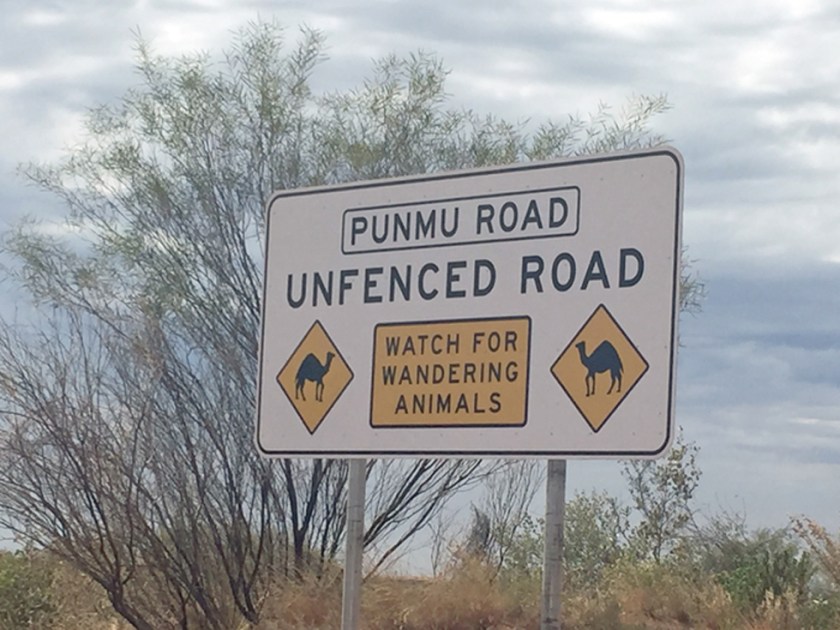
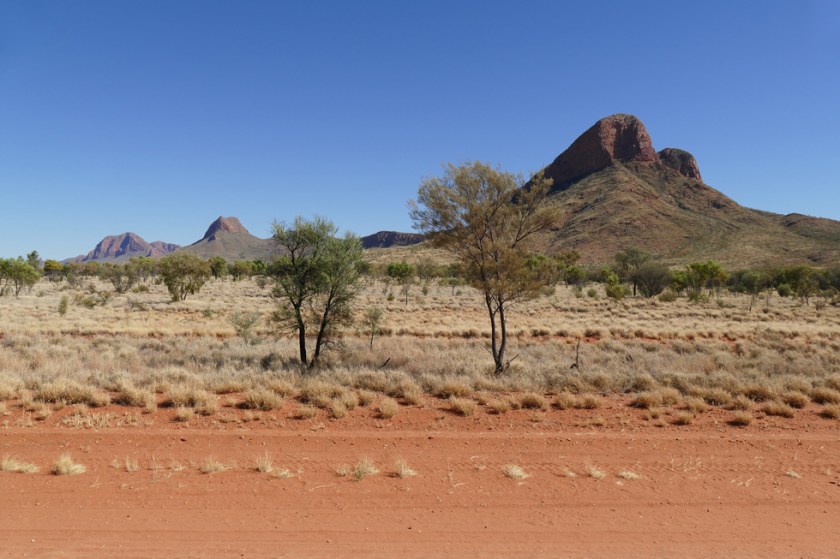
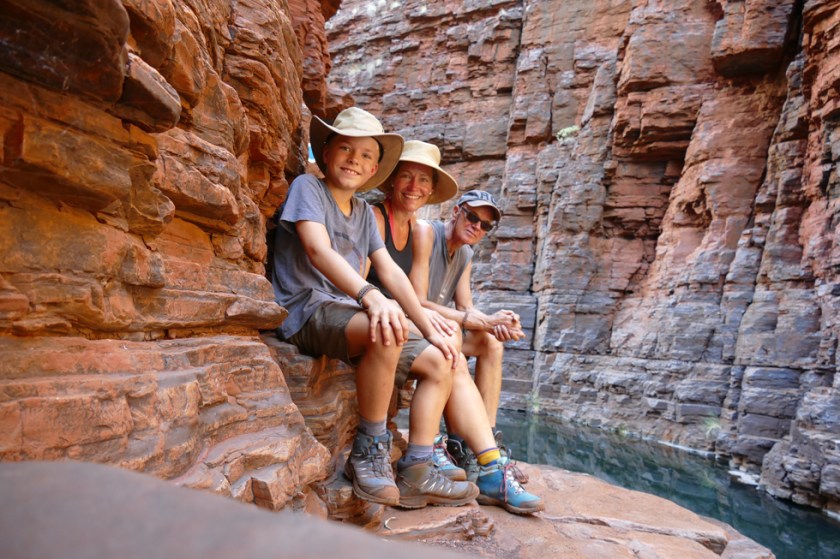
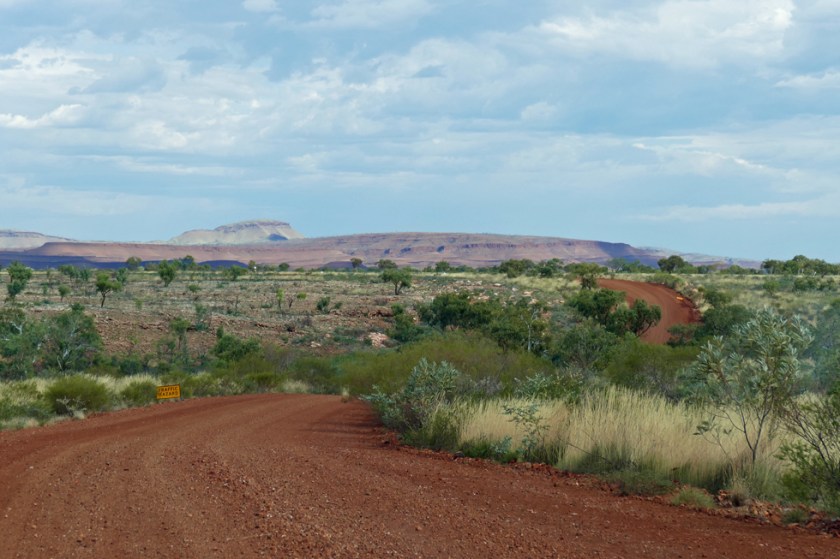
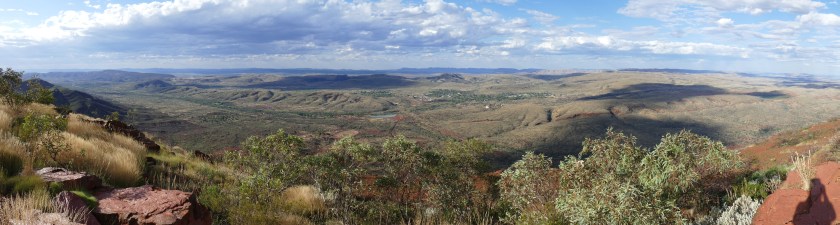
A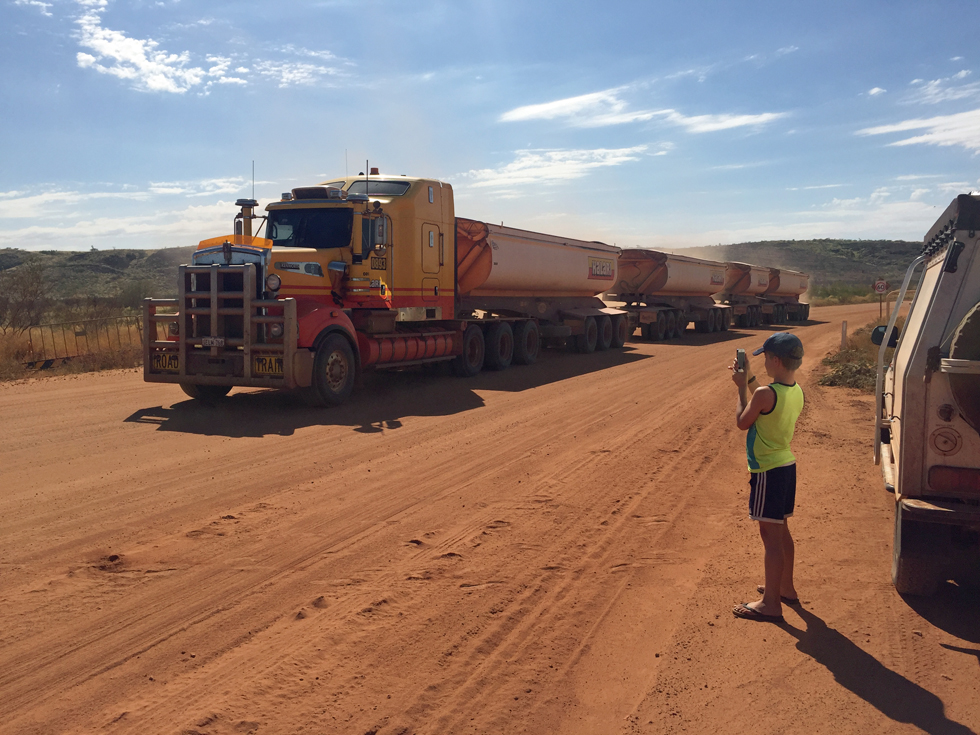 The first part from Marble Bar was on bitumen roads due to mining activities in the area. We met many road trains and service cars, but no other travellers. After passing the last mining site, we continued on a good gravel road until Punmu, our first Aboriginal Community. We didn’t really know what to expect – the map told us that there would be a gas station, shop and possibility to stay overnight. Driving into the village was not a nice sight, garbage and car wrecks everywhere, rundown houses. We found the shop and went in, adults and children were hanging in front of it, curiously looking at us. The lady behind the counter, a white Australian, seemed surprised when she heard that we were planning to spend the night in the area. She sent us over to the office, where her husband, the community’s manager, would get some diesel for us.







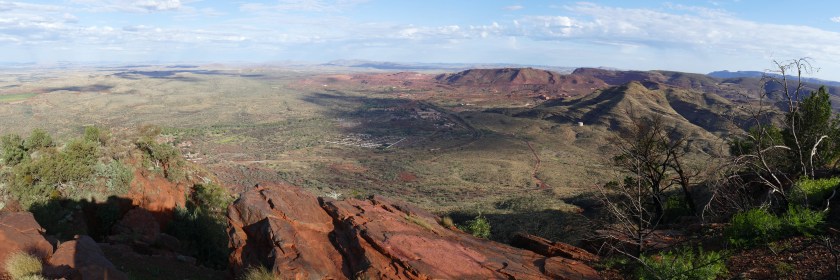
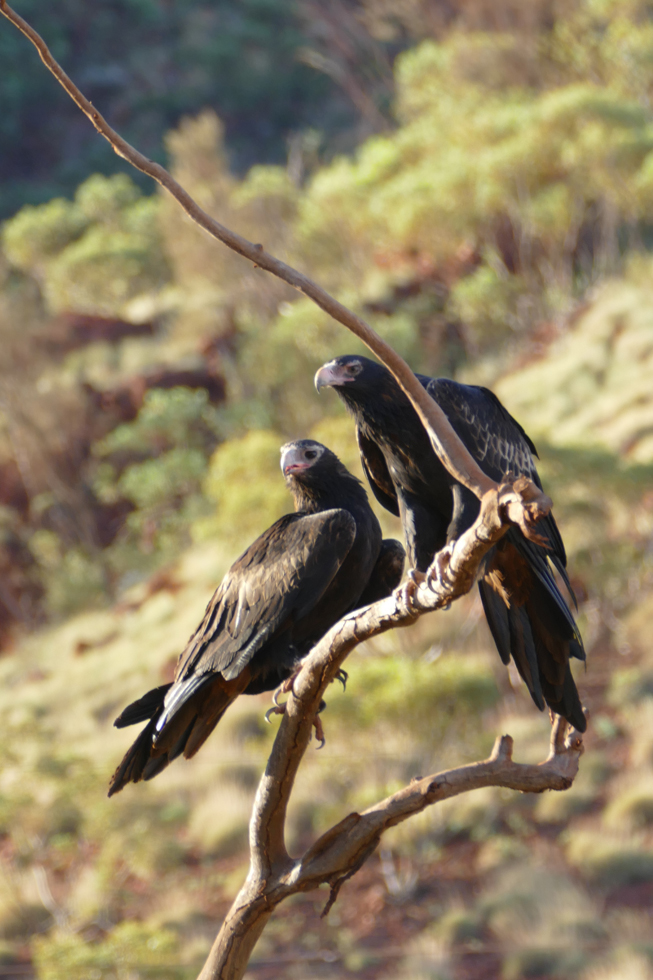
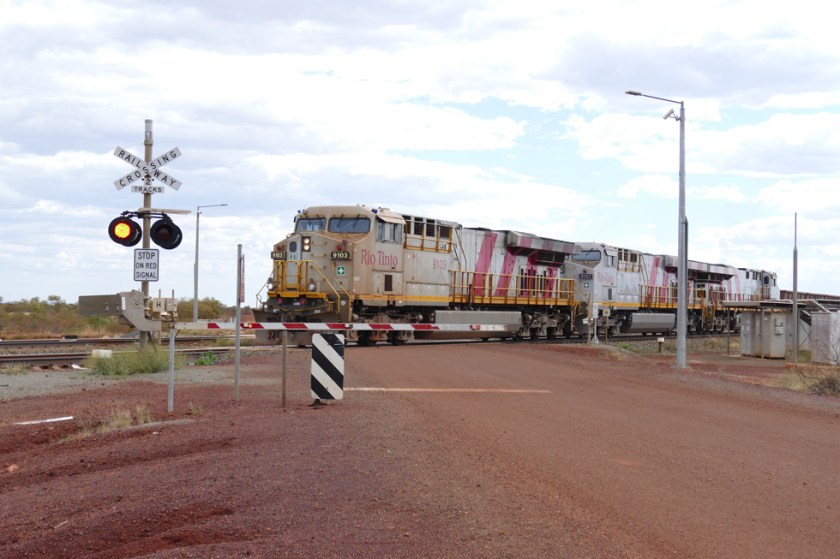

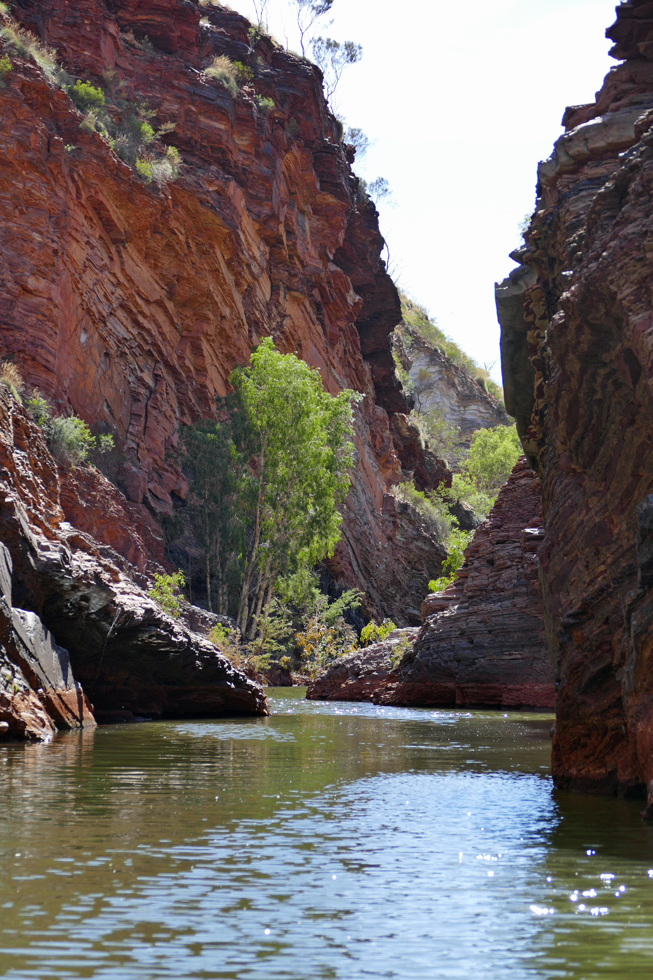

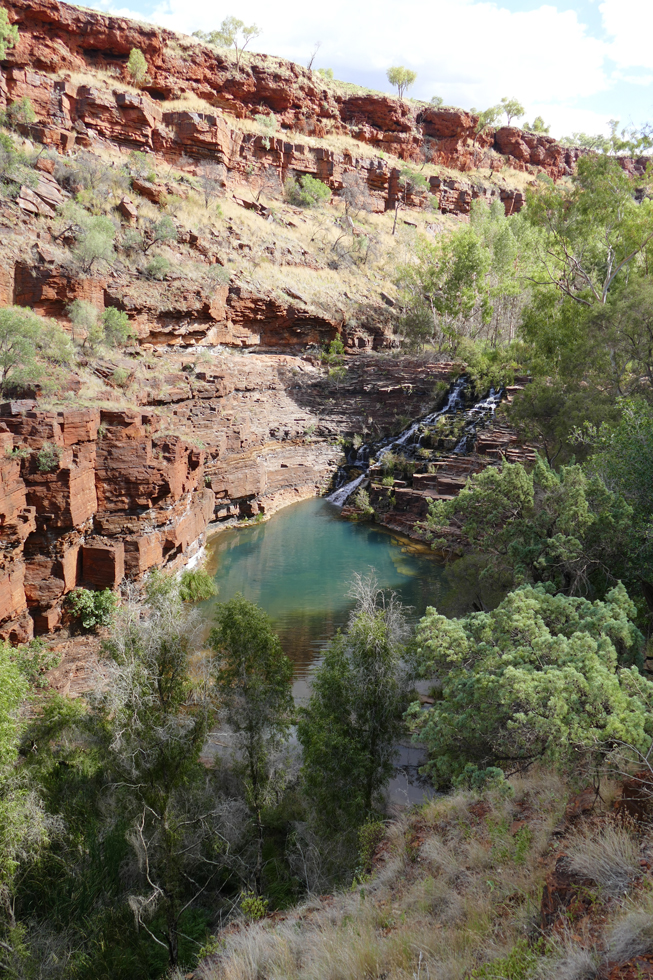
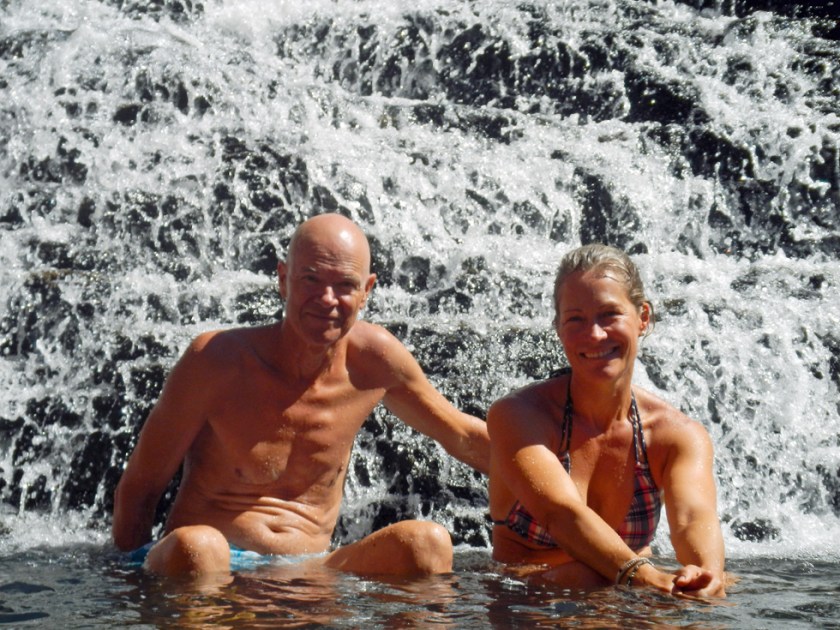
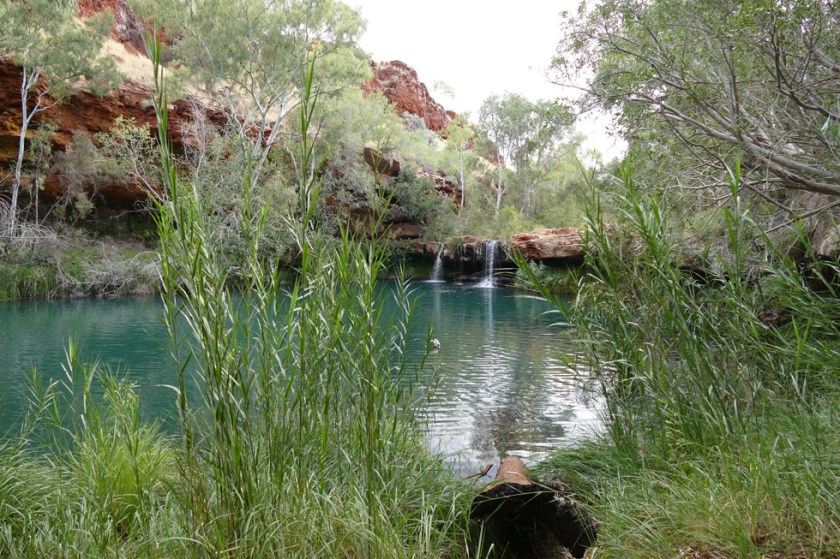
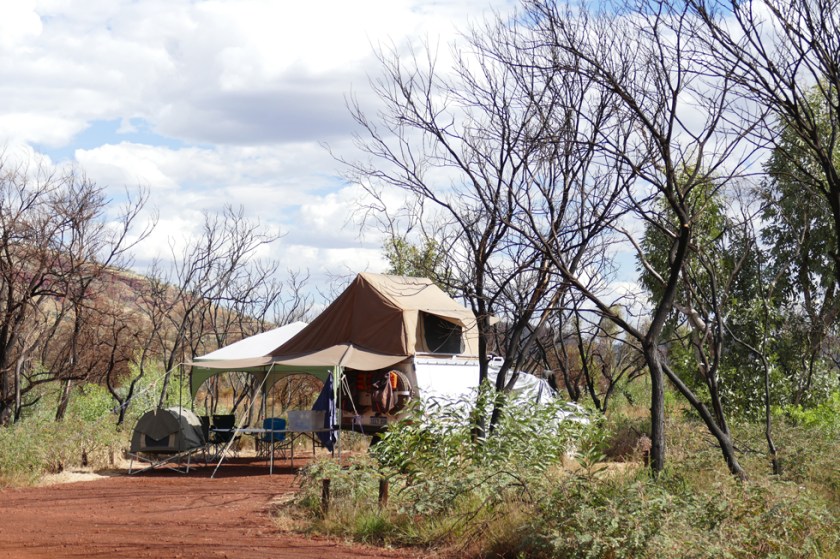


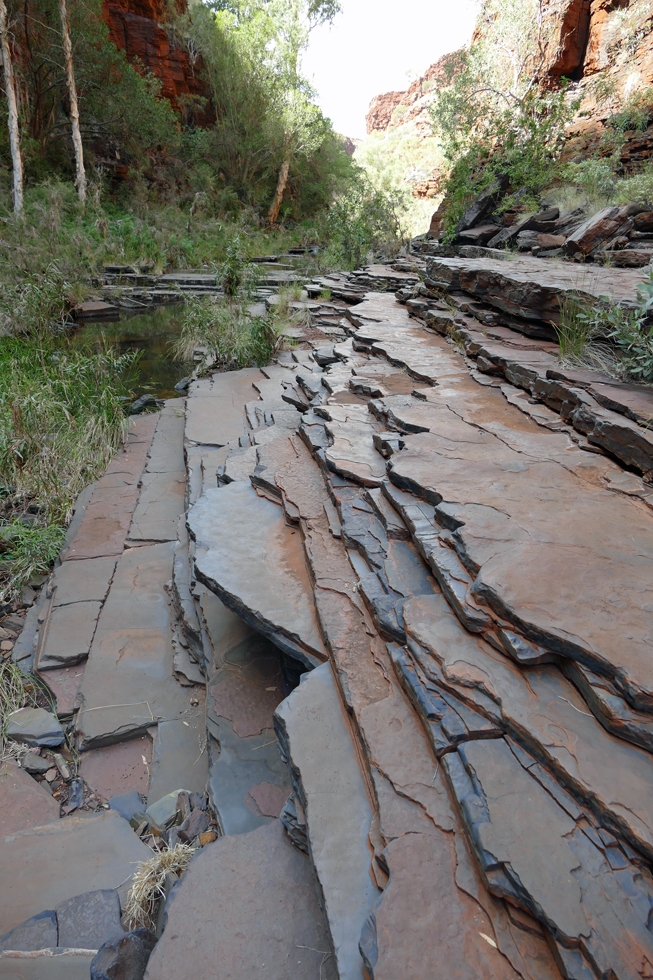
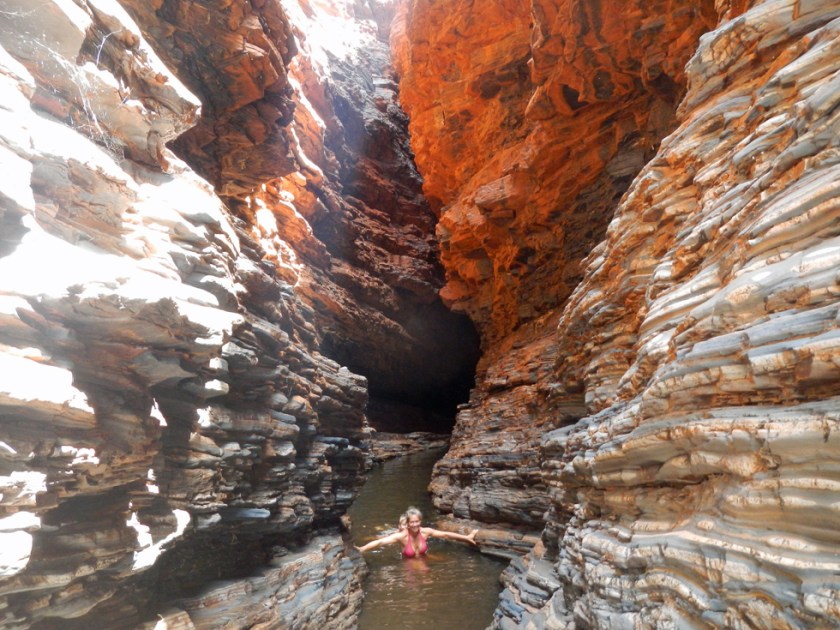
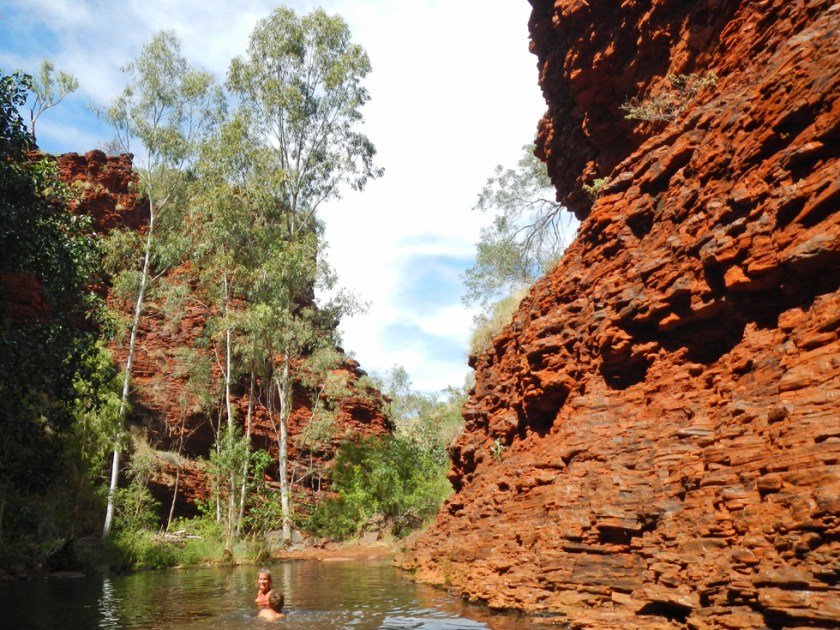
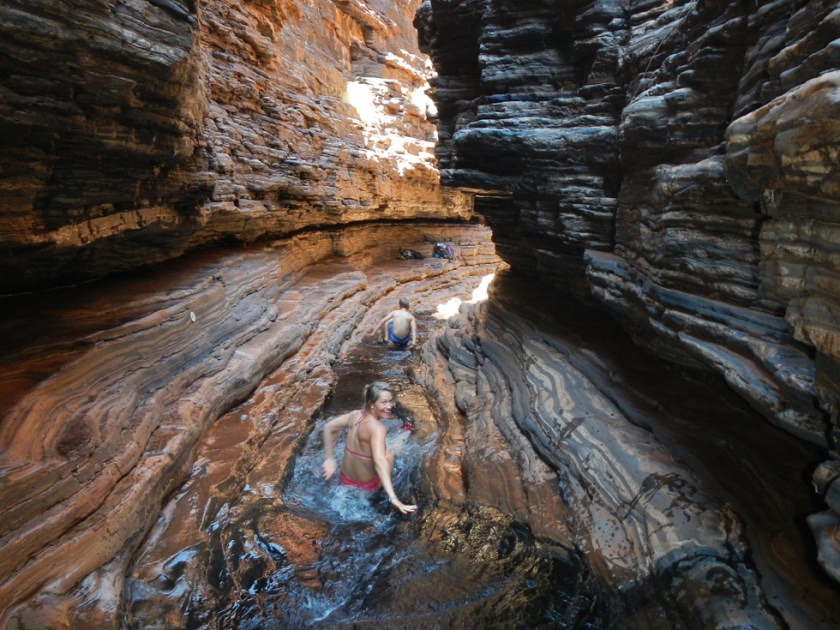
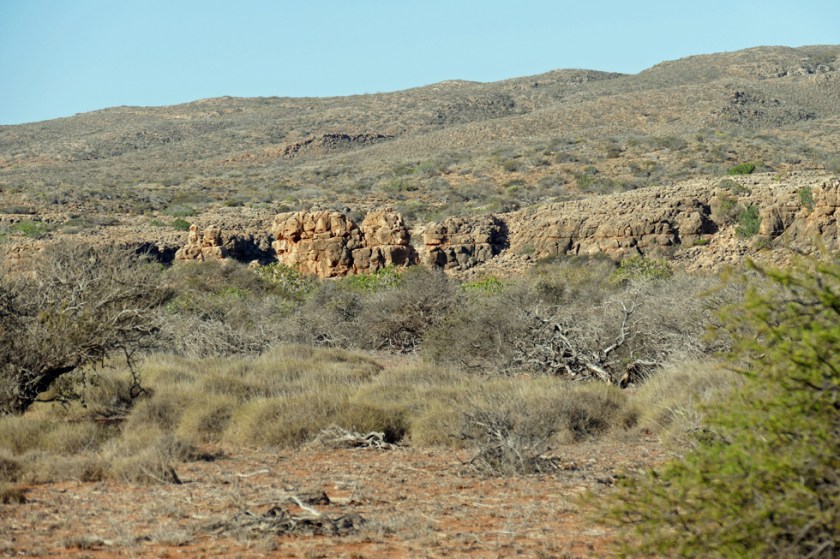
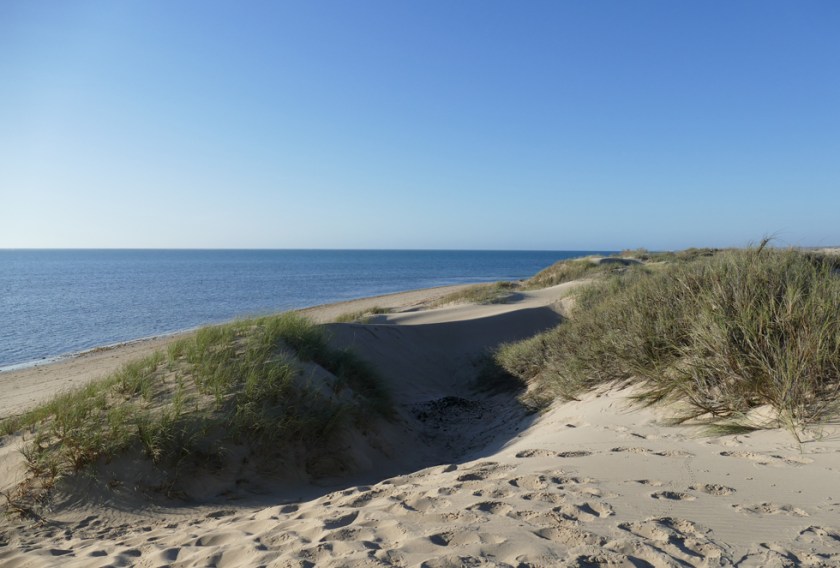
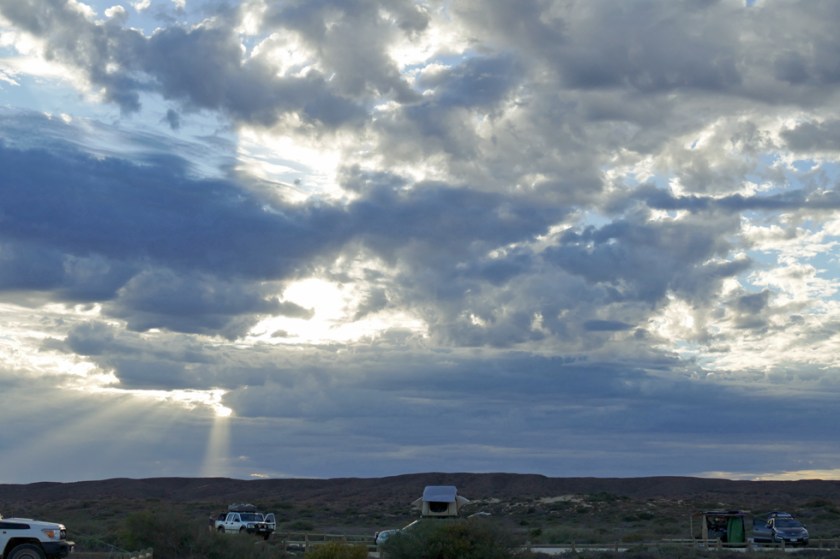
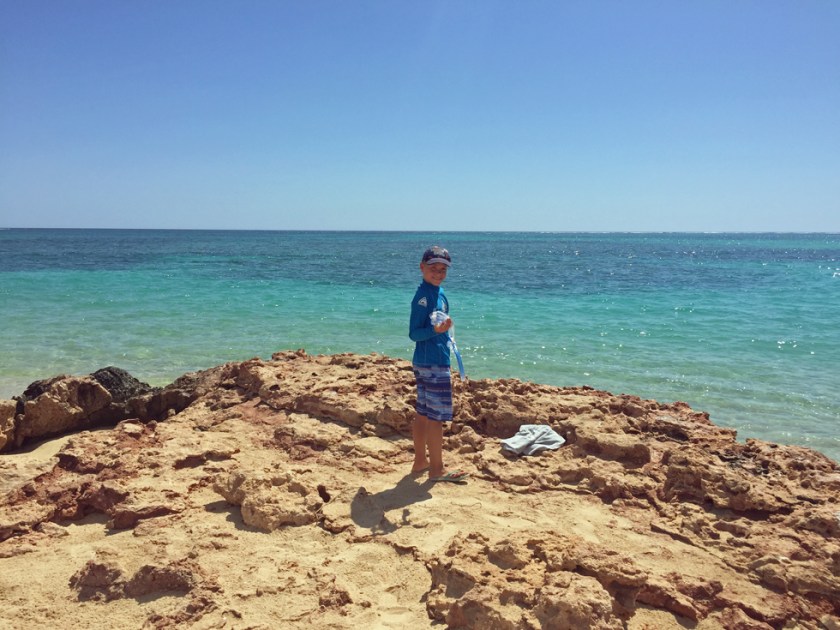
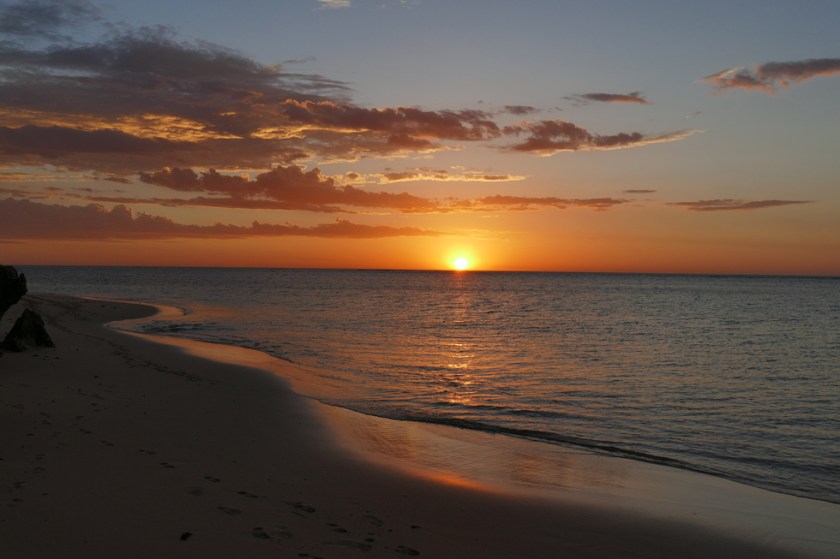
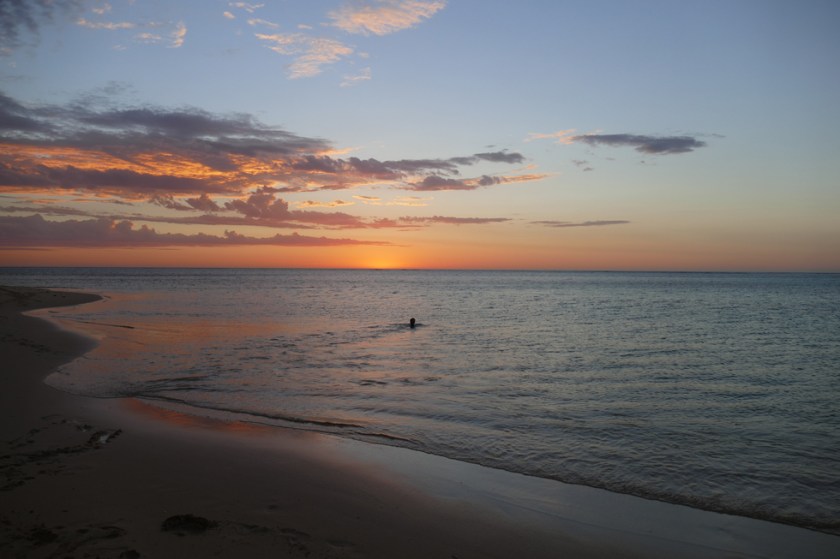
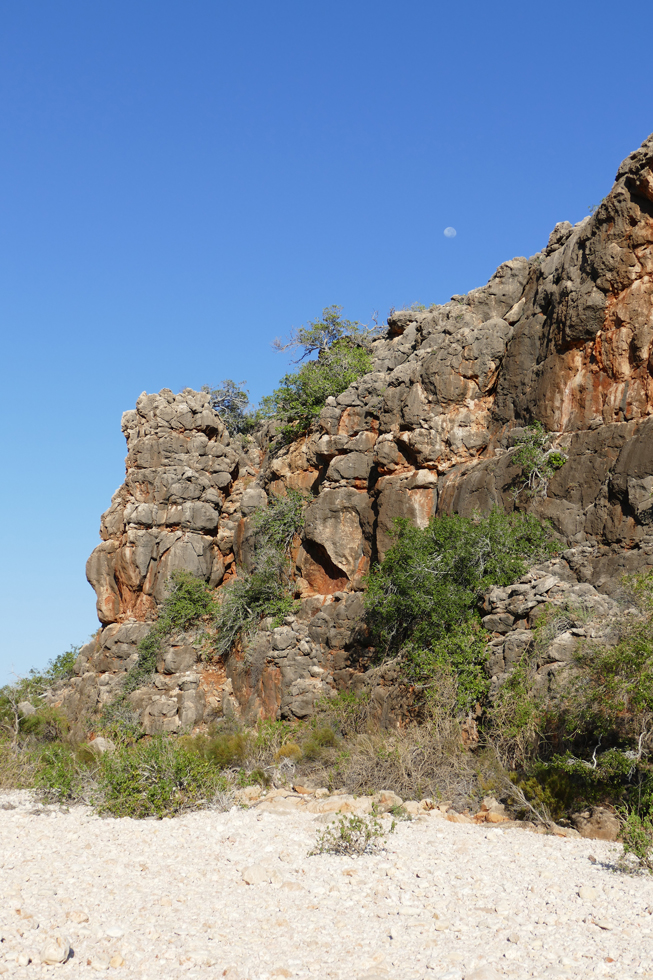

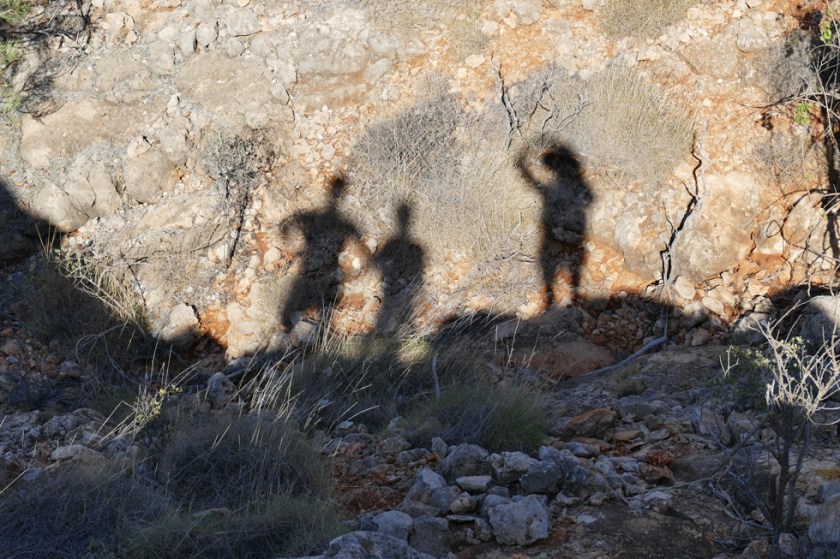





 It’s been over two weeks since my last blog post and there are several reasons for that. The main one is that Robin has been suffering from a “Swimmer’s Ear”, a very painful inflammation of the outer ear. It’s often caused by extensive swimming in not so clean swimming pools and constant humidity in the ear canal. Don’t blame him – it was the only way to get us through days with extremely high temperatures (the other reason why I didn’t write anything on my blog). First time we went to see the doctor in Carnarvon, about 150 km away from Red Bluff, where we had spent the night.






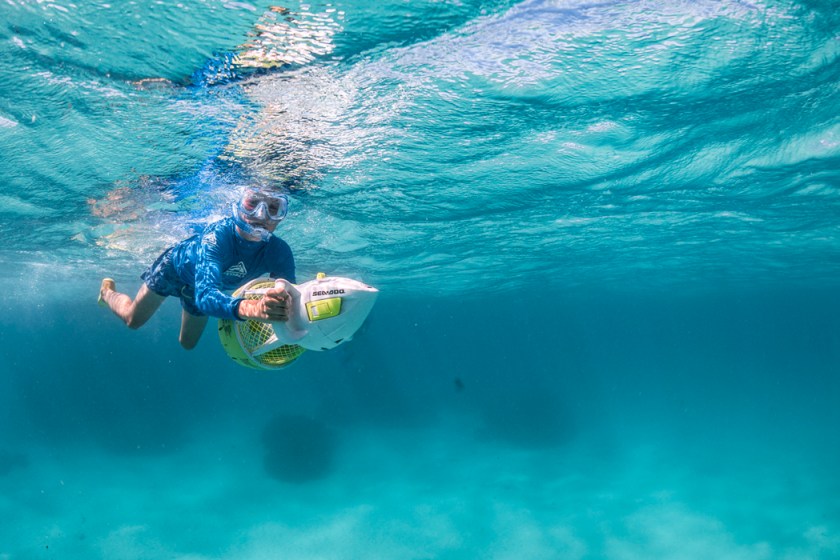
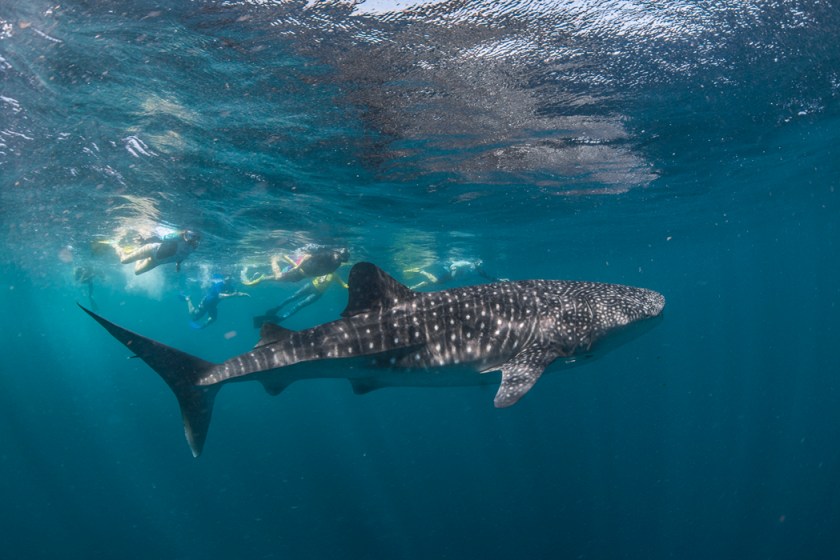
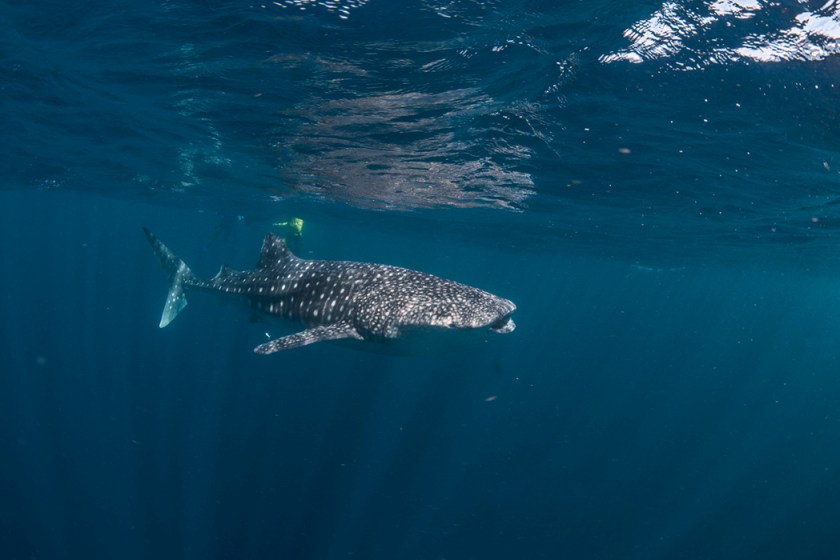
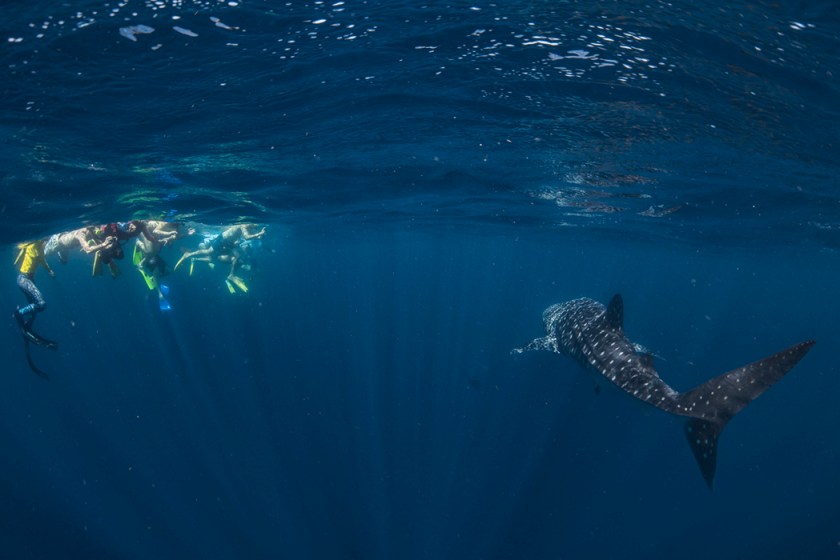
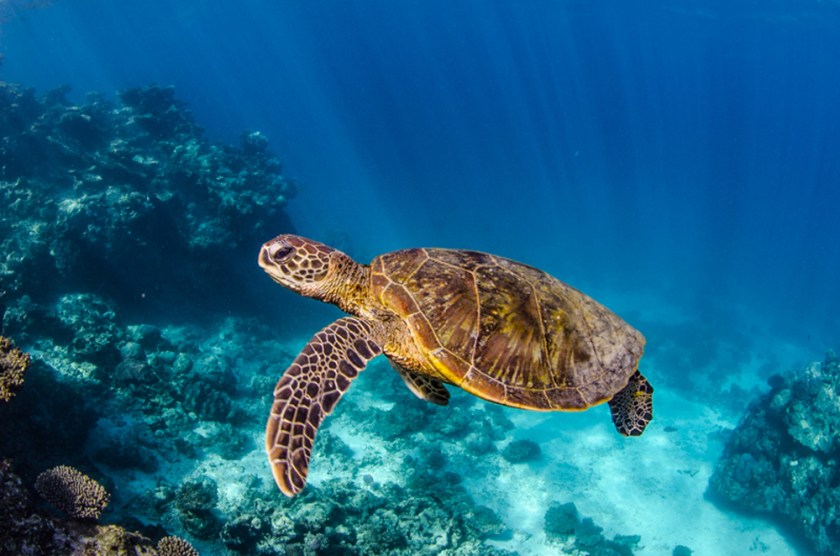 After that day on the ocean I had made up my mind: I wanted to swim with the famous whale sharks. Every year from March to August, the world’s biggest fish congregate along the Ningaloo Reef. These creatures can grow up to 15 metres long and have a life span of up to 70 years. Their name comes from the fish’s physiology, being as large as some species of the whales and being a filter feeder. And they are totally harmless to humans. So, I couldn’t let go this once in a lifetime opportunity! And I managed to convince Dag and Robin to join me. When we got to Exmouth, our next destination, we booked a tour with “Whaleshark n Dive”. You might think it’s scary to swim with these giants. I can assure you, it is not. The crew on board made sure we got into the water the right moment (they use spotter planes to locate the sharks), lined up on the right side and dived under just when the whale shark passed slowly by. What really was scary – at least for me – was to jump into heavy swell far out in the Indian ocean. It took me and Robin quite some will power, but we never regretted it. It was truly unforgettable! And allow me to say how impressed I was that Robin joined me, that was so brave of him. But we both prefer to snorkel inside of the reef, in shallow water where we see the bottom! The beautiful underwater photographs are taken by Jess Hadden, a professional underwater photographer and member of the crew.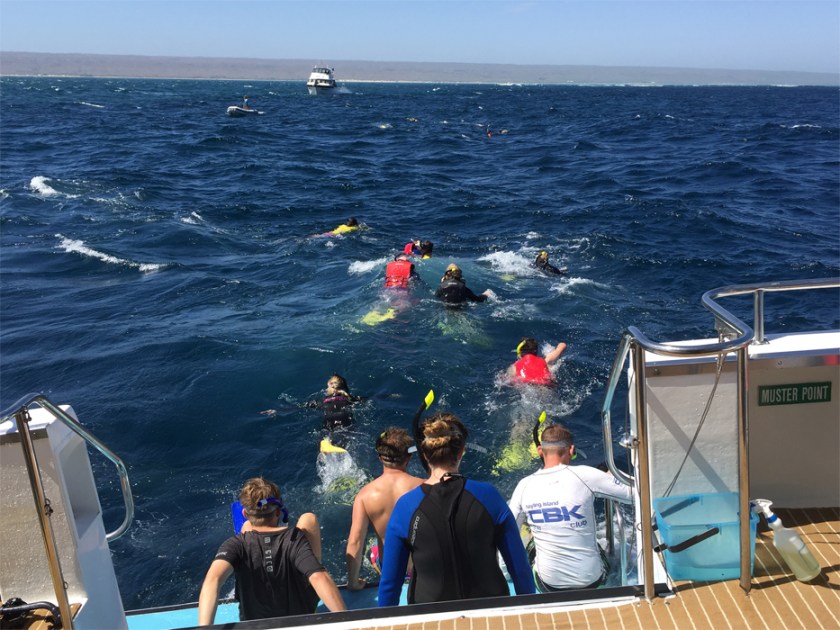





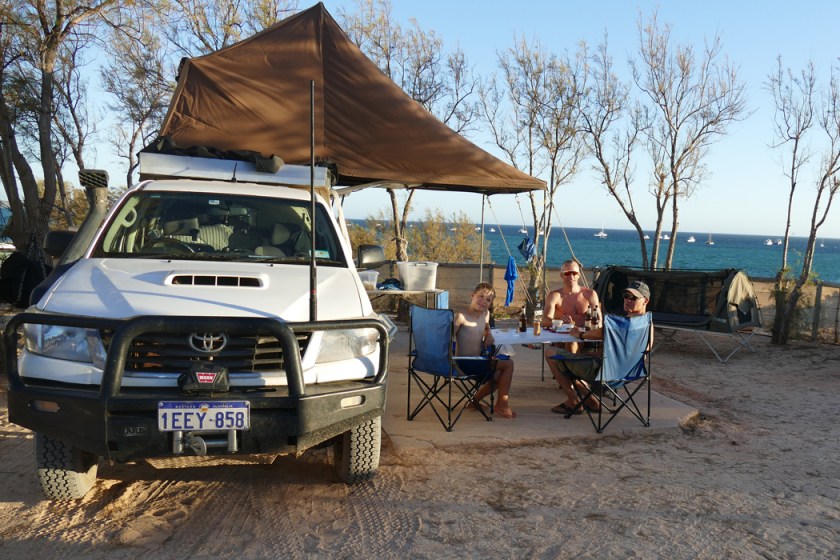


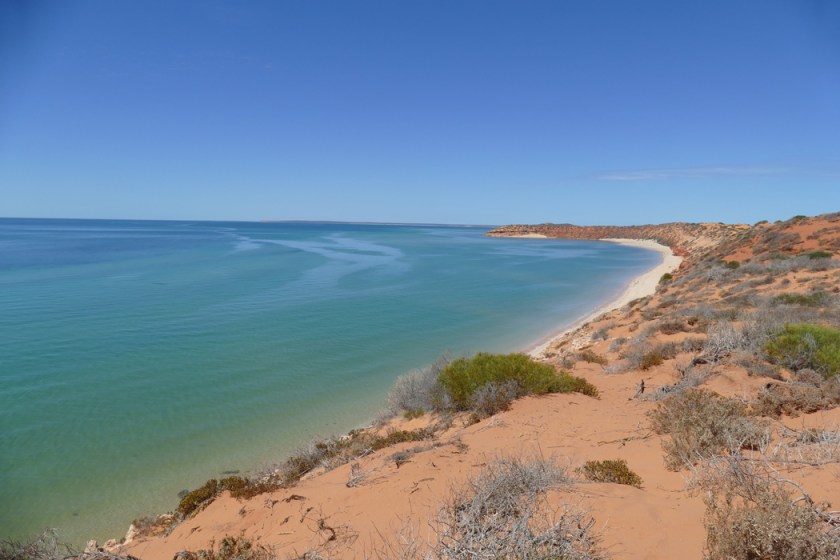


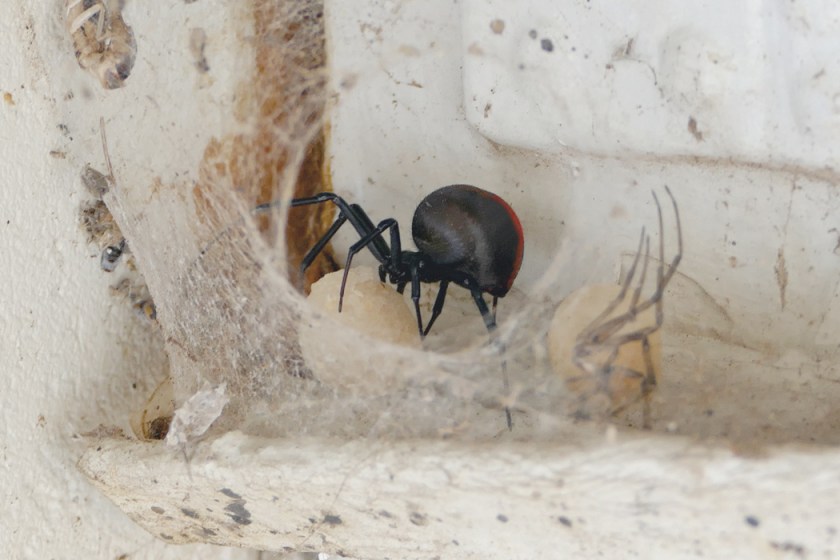
 After almost three months of travelling, I can truly say that this is the best thing we’ve ever done, no doubt. We are writing our history, creating many good memories. At the same time, it is not just a walk in the park. The way we travel, we’re so exposed to nature. And that means quite a challenge here in Australia. I’m not even thinking about the all the dangerous creatures we meet. More challenging is the heat, strong winds, the cold at times, or heavy rain. And there we are in our small car with roof top tent, trying to keep our spirits up and make the best out of it. And believe me, we usually succeed. Except when the flies attack us. Because they are so much worse than the heat!

 It was not very far, around 25 kilometres, but it took us several hours. Again and again we had to stop to admire the view, or check the track before driving it, since there were many steep and soft sandy parts and others with sharp rocks. We even got bogged at one point, but thanks to our Maxtrax, we got out easily.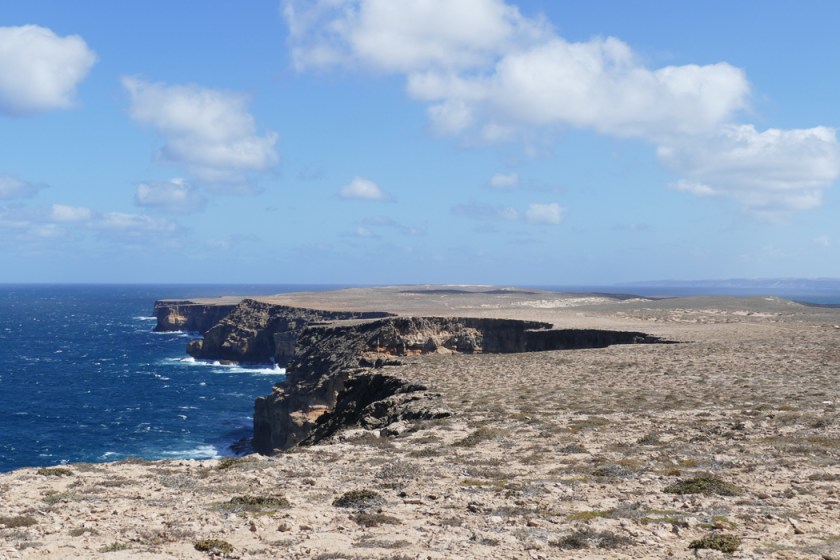


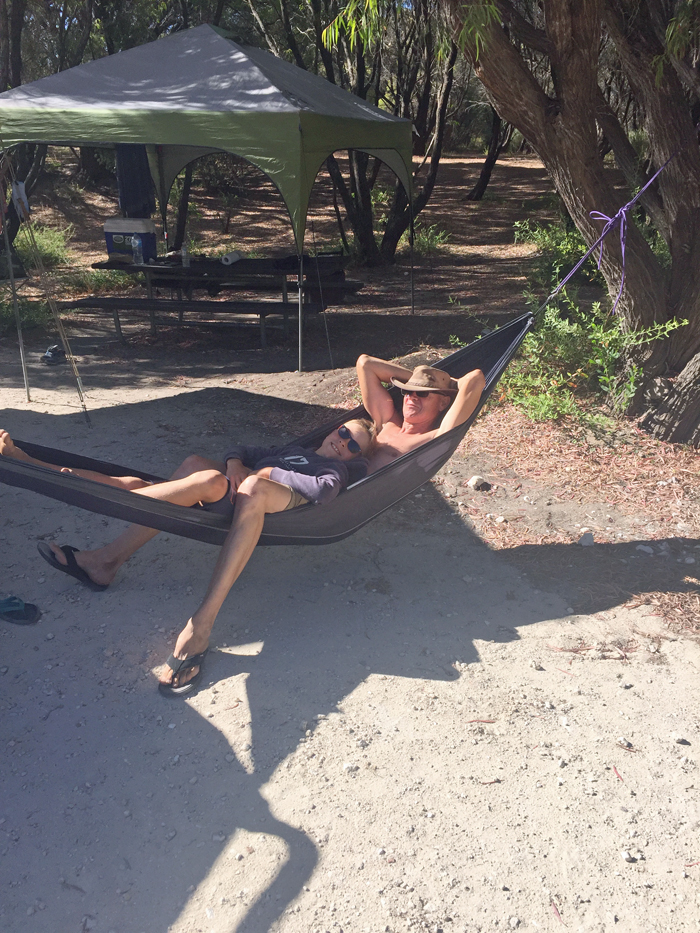


 We stayed three days in this area, drove on a few 4WD tracks, spent an afternoon in Margaret River, a little town famous for its wineries and surfing and visited a couple of caves. The Margaret River Region is home to over 100 caves, which have been formed over the last 1 million years by the constant movement of water through limestone. We liked especially Lake Cave with its stunning crystal wonderland and the only cave in the Leeuwin-Naturaliste Ridge with a permanent lake. The cave is renowned for the ‘Suspended Table’ – a five tonne column of calcite that hangs from the ceiling just a few centimetres above the lake.




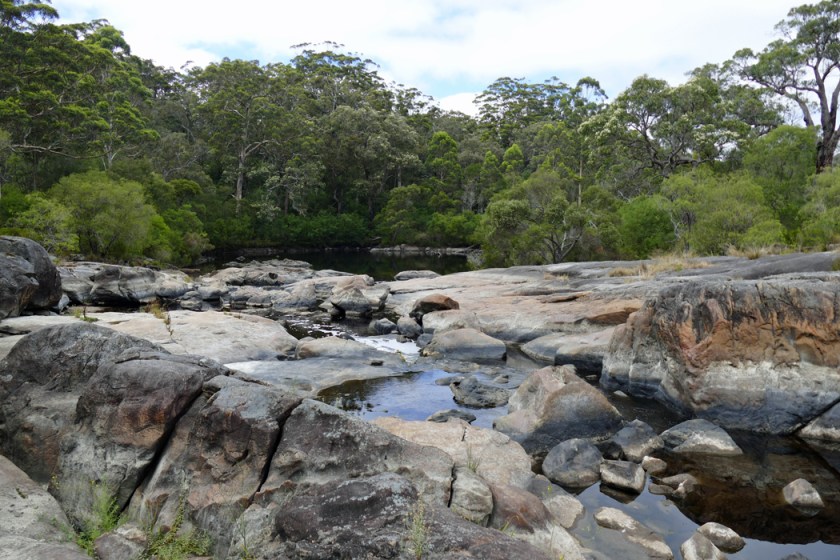 We’ve been spending a week in the Southern Forests, an area between Albany and Augusta, a three-hours drive south of Perth. We didn’t know much about these forests and were totally surprised and impressed by their beauty! The so-called tingle forest is a very ancient forest. Its trees only occur in this small area and provide a window to the past. Some of the plants, we learned, have origins that can be traced back 65 million years to the super continent Gondwana, when Australia was joined with what is now Africa, India, Antarctica and South America.






 RCD on Walkabout