 After an easy drive up to Weipa things are more serious from Bramwell Junction a bit further north on the peninsula. That is where the Old Telegraph Track starts. The track was constructed as the telegraph line pushed north from Cooktown to the Tip and was completed in 1887. And while most of my readers probably don’t know much about it, I can assure you it is one of the most prestigious and extreme 4WD roads in whole Australia. And it’s been one of Dag’s big dreams to drive at least parts of it. After months on the road, knowing our car and driving skills inside out, we felt ready for it!
Just a few kilometres on the track we met the first big challenge, a creek which even didn’t have a name and turned out to be too steep for us on its way out. But luckily, you’re never alone on the OTT, as the track is called. There are plenty of other adventurers driving it and they always help when needed. So a party of three cars and three couples pulled us up with their winch and we continued together with them the rest of the day.


Another two kilometres and we reached Palm Creek, another infamous crossing that turned out to be very steep and very deep. We let the other cars drive first and Dag made his way through it without any further help. The water got all the way up over the bonnet! I must admit that I never sat in the car through the worst crossings – I attended to my duties as the trips photographer.
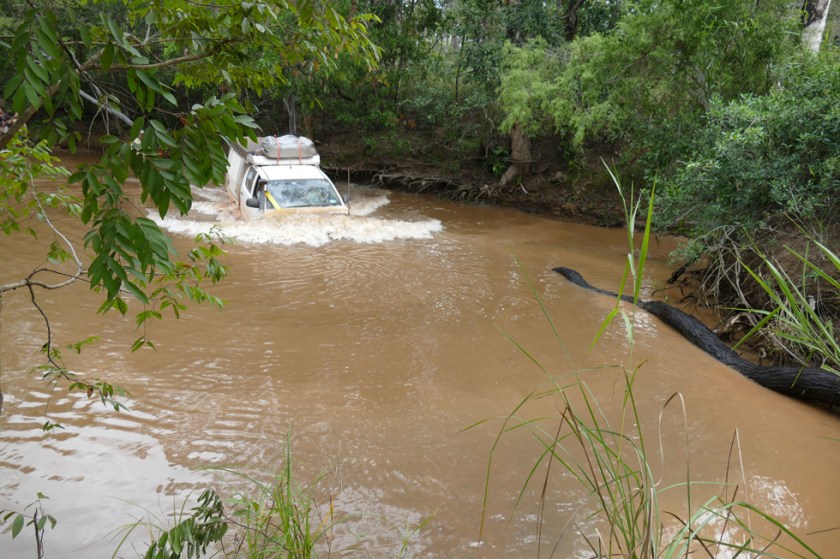
To be honest, I am just too afraid to sit in the car when it is getting too rough, and prefer to get wet, crossing the creeks by foot. Robin on the other hand enjoys it greatly and doesn’t have to be asked twice whether he wants to sit in front. We did many crossings during that afternoon, but fortunately they weren’t as difficult as the first ones! And Dag is an EXCELLENT driver, making it through this track without ruining the car. We saw many others that weren’t so skilled! After many hours of driving we spent the night in the middle of nowhere, close to Dulhunty River. You might think you’re alone in such a remote place, but there were at least 25 other cars. Not my favourite type of bush camping but fun to see how popular this kind of holiday making is here in Australia!


The next day we continued a short while on the OTT and passed another two crossings, then we got on a bypass to avoid the Gunshot Crossing, the most feared of them all. No way we would have tried that one – we have seen pictures and that’s enough. Just google it and you’ll understand what I am talking about.
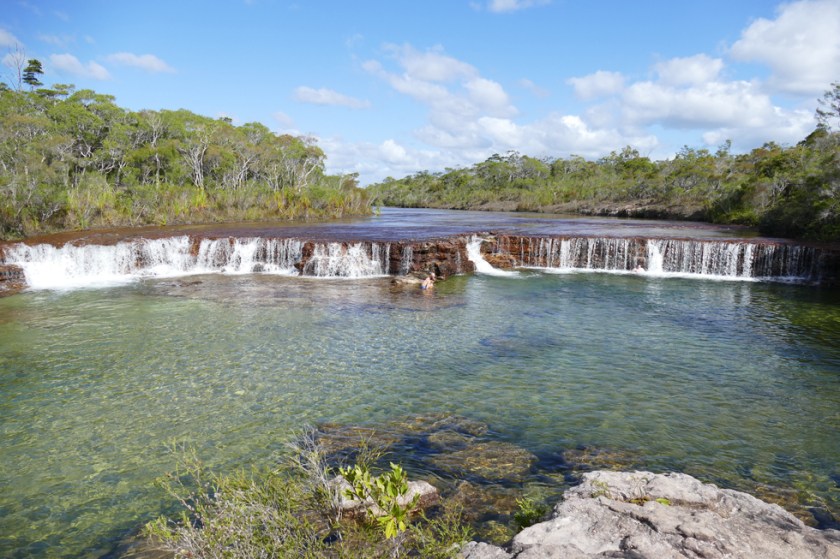
Apart from 4WDriving there are quite a few beautiful places along the OTT where you can go for a swim: waterholes and waterfalls (and without crocs). We spent two nights at Eliot and Twin Falls on a nice camping ground just next to the creeks with great swimming holes. Robin met friends again from Cape Tribulation and we shared a campfire with them in the evening. That’s one of the great things about driving on Cape York, everybody is heading the same way and you run into the same people again and again.


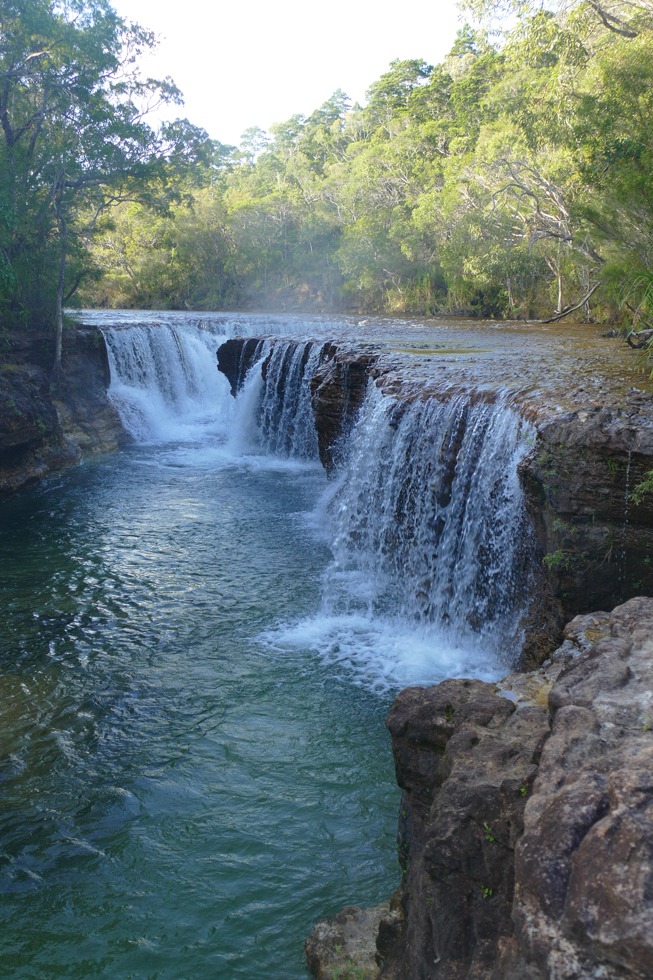
We continued a little bit on the northern part of OTT, but only until Mistake Creek where we took another bypass. From here we followed the main road (very dusty and corrugated) all the way up to the Jardine River Ferry and from there to Loyalty Beach. We did a day trip to Thursday Islands, one of the many islands in the Torres Strait.
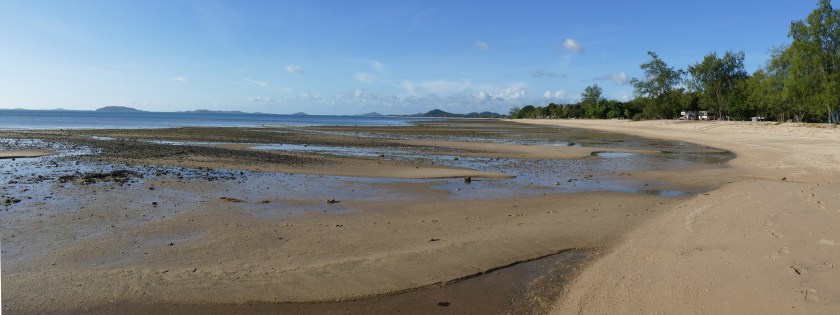
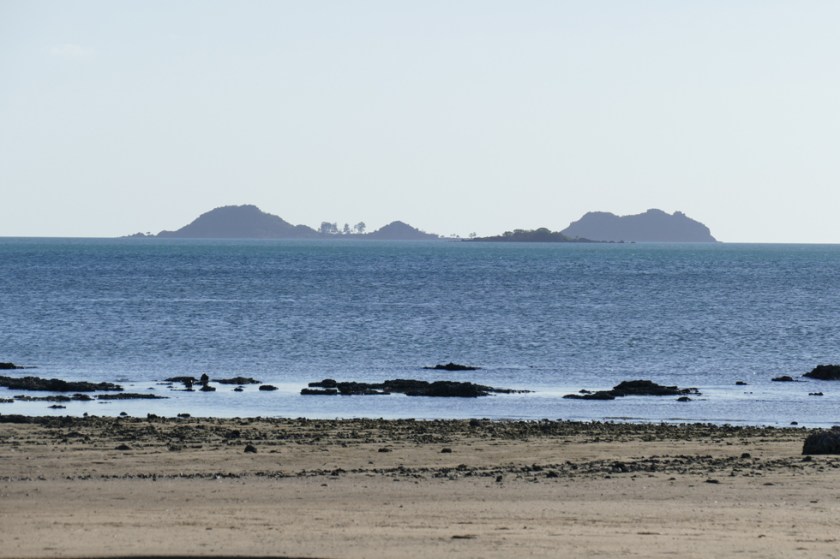


The landscape reminds me a lot of Southeast Asia, the sea is of an incredible turquoise colour, the islands countless and most of them uninhabited. The ferry trip from Seisia to Thursday Island was simply stunning. Once on the island we strolled around in the little village, then joined a tour in a bus taking us around, giving us information about the history of the place.


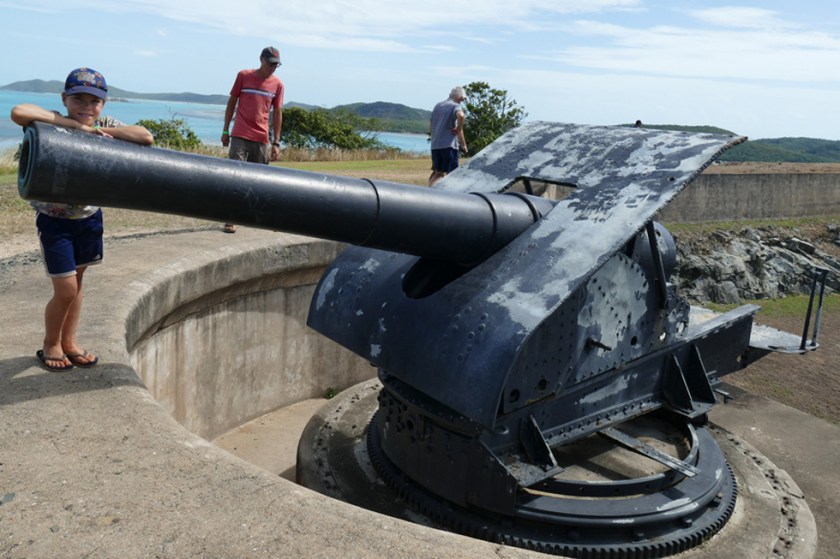
Thursday Island is one of the smallest of the Torres Strait Islands, but thanks to its sheltered location between the other islands, it has one of the longest histories and is today the most populated (about 3’000 people) of all the islands of the Torres Strait. We learned about famous ship wrecks, the pearl industry and of course the islands role during WWII.

And then we finally drove all the way up, putting our camp up at Punsand Bay, where we run into other friends of us, spending a lovely evening together with pizza and games.
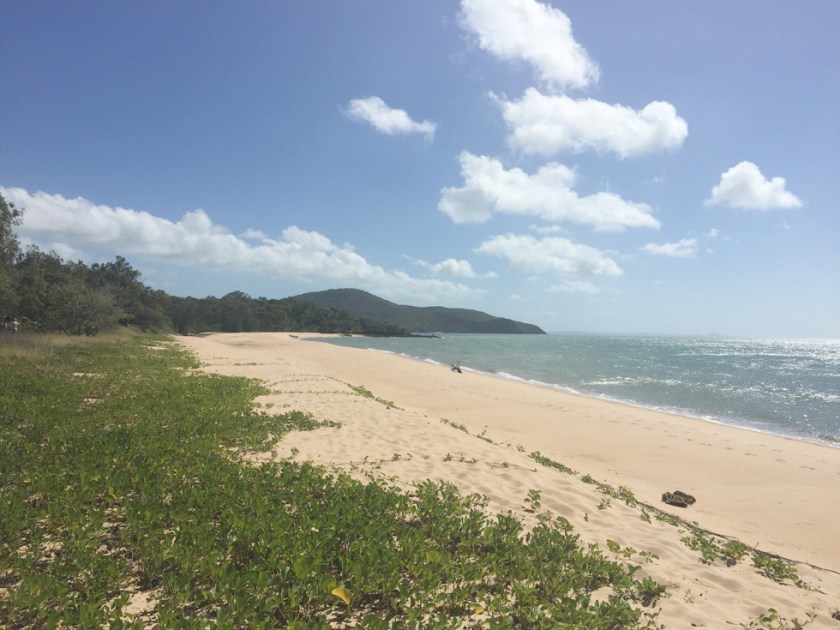
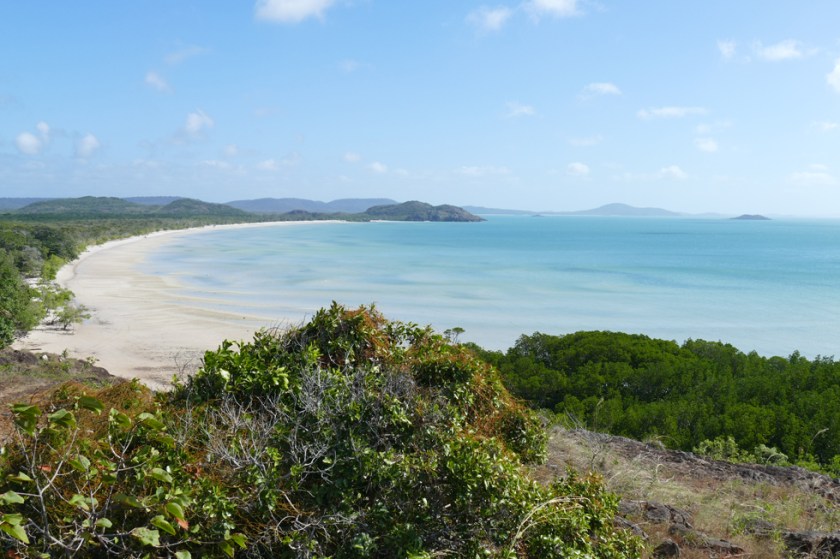
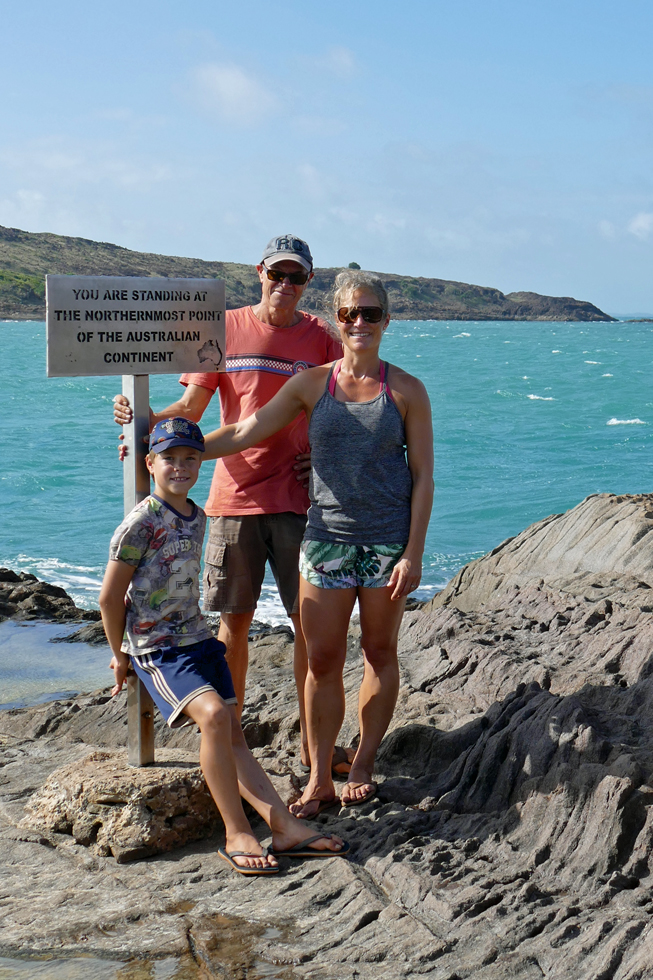
From Punsand it is only about 50 kilometres up to the northernmost point of the Australian continent. From the carpark we did the easy walk over a rocky headland with beautiful views over emerald blue waters. At the tip we took the obligatory photographs of us in front of the sign, and remembered the day about three months ago when we stood at Australia’s westernmost point. Aren’t we lucky to see all these amazing places!

 RCD on Walkabout