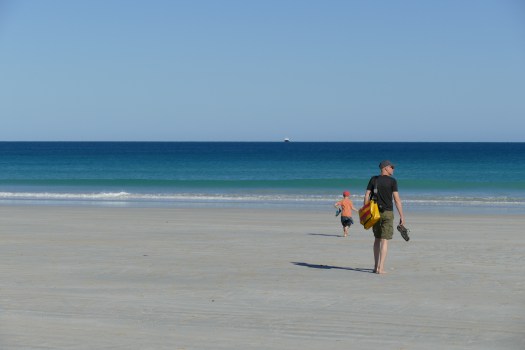
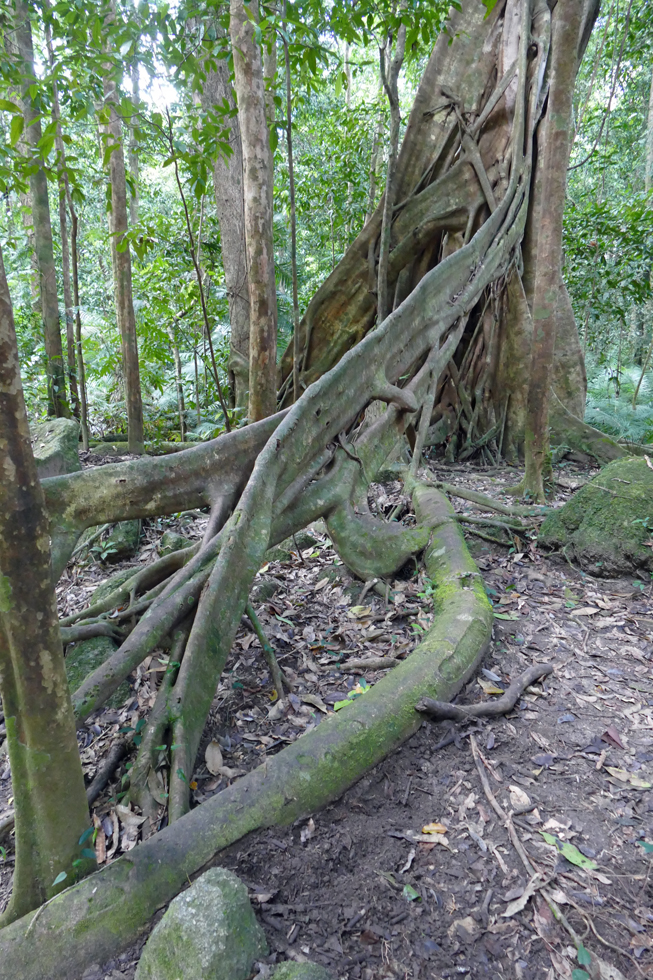
Leaving Port Douglas heading North, there is several roads one can choose. Inland on bitumen road, where all the people with caravans drive, or along the coast, through the Daintree Rainforest. There is much more to see along the scenic coastal route, so this is what we chose. From Port Douglas it was only a short drive to Mossman Gorge, where we did a walk through beautiful ancient rainforest.


The Daintree is one of the few places where the rainforest meets the reef, but it is its age that really sets it apart. At the Daintree Discovery Centre we learned that it is thought to be around 180 million years old (the Amazon is about seven million years old).


The forest is home to some of the oldest plants on Earth and the richest fauna diversity in Australia. We were really hoping to see a cassowary (the picture below is from Wildlife Habitat in Port Douglas), one of the most iconic Australian animals, but didn’t have any luck. We only saw many so-called Cassowary Plums, one of its favourite food (very toxic to all other creatures).


Never mind, walking through this stunning landscape, stopping at many of the viewing platforms, listening to the sound of water running by, observing the diverse shapes, colours and sizes of leaves – it was magic! Maybe the drizzling rain also played its part for making this place so fascinating to me. Water dripping everywhere, wafts of mist hanging in the highest trees, sunbeams filtering through the canopy. I could just have stayed here, sit and observe, immerse myself into this green paradise.
We continued north and spent one night at Cape Tribulation, where Captain James Cook and his ship the HMB Endeavour ran afoul on the Great Barrier Reef in 1770.

It’s a fascinating story: to float the ship off the coral reef, over 50 tons weight was thrown overboard. Finally on the next high tide she floated free, but started rapidly taking in water. Not to mention that the men couldn’t swim nor were there sufficient life boats for all. While some men took their turns at the pumps, trying to avoid that the ship would sink, others managed to repair it temporarily, covering a sail with oakum, dung and sheep’s wool and drawing it under Endeavour’s belly. Like this Cook managed to sail his vessel along the coast, trying to find somewhere to repair the ship. They finally landed at what today is named the Endeavour River (Waalumball Birri). This is where, approximately hundred years later, the first tents and pre-fabricated buildings began to appear and Cook’s Town it was born. 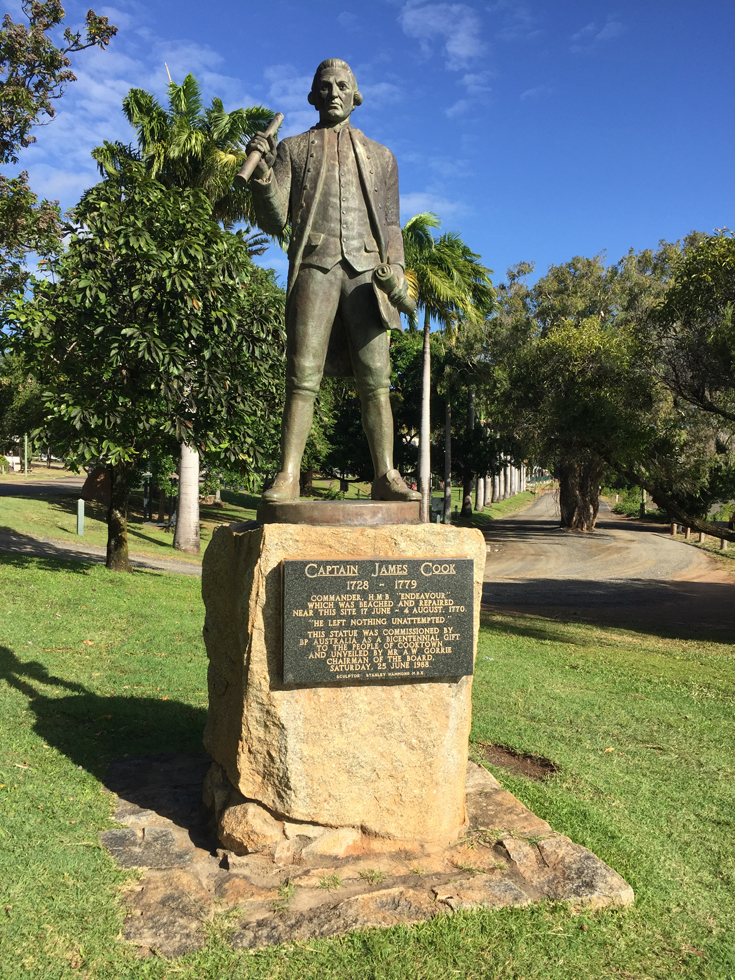
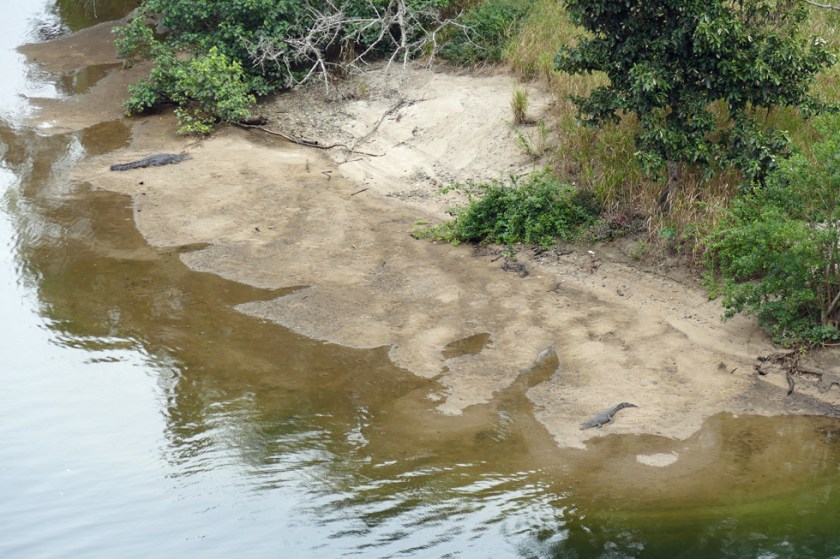
After a stormy and rainy night (it obviously never stops blowing along this coast) we headed for the Bloomfield Track, a 4WD track up to Cooktown. This beautiful rainforest track winds its way along the coastline, soaring up steep mountain passes and descending to river crossings. We did a short walk to Bloomfield Falls, well aware of the crocodile on the other river bank keeping an eye on us…
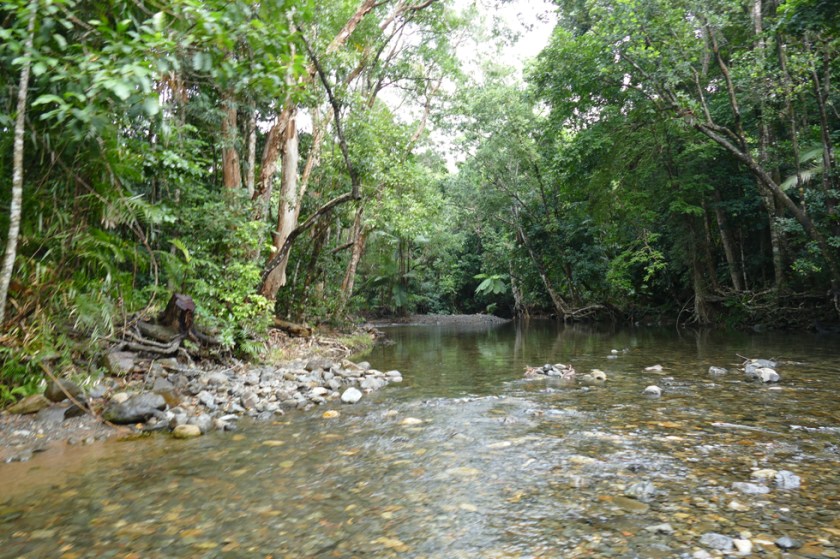
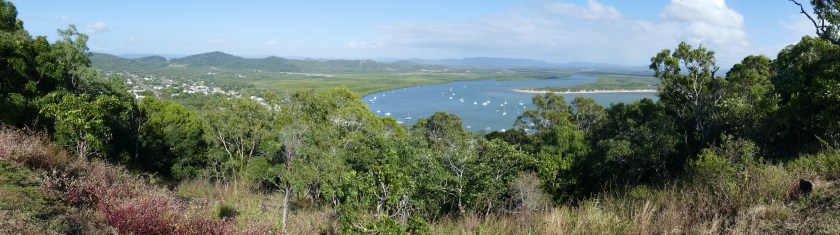
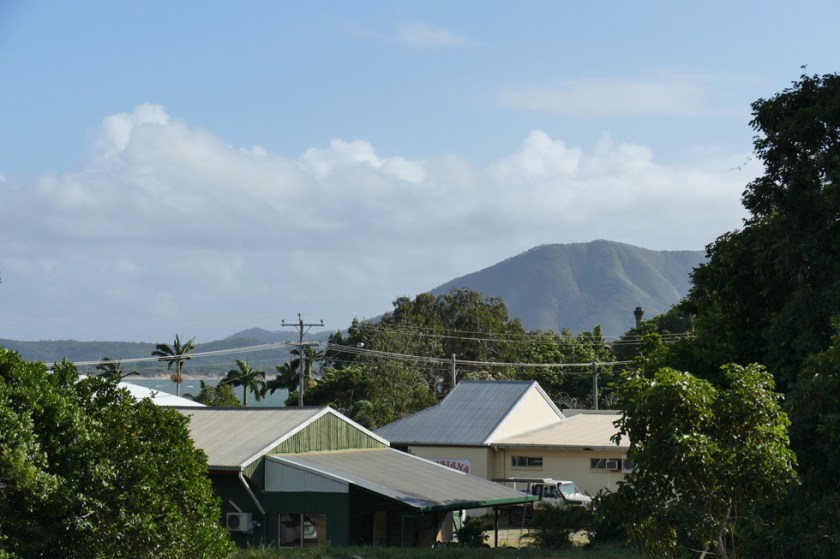
Arriving in Cooktown, the weather was still quite stormy, with strong gusts of wind and short heavy showers of rain. It was the last remnants of the rain season. Fortunately next day the sun came out and the wind blew away all the clouds. What a stunning place this is. Surrounded by forest clad hills, on the shore of Endeavour River meandering through the land, eventually flowing into the Coral Sea. We walked up to Grassy Hill Lighthouse where we had breathtaking panorama views of the town, the river and the sea.
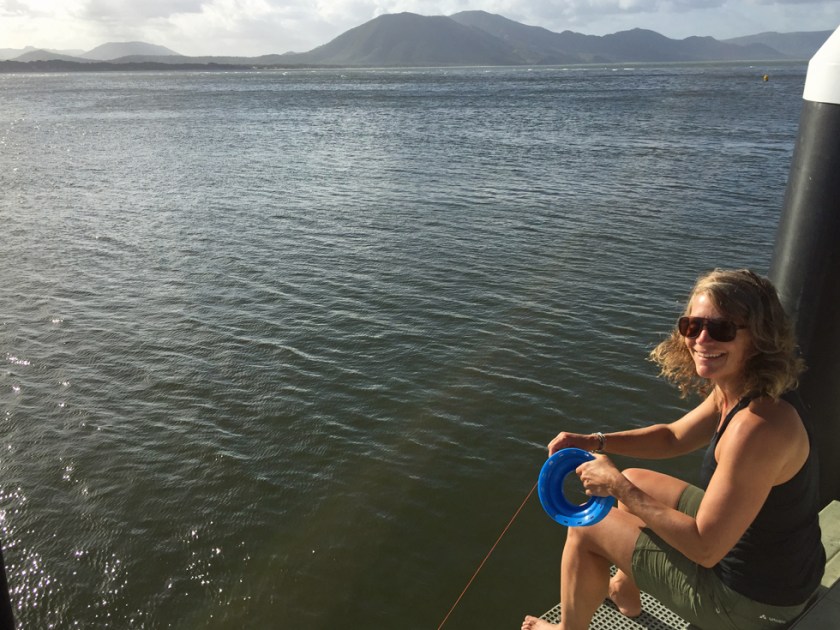
During our stay we also visited James Cook Museum and Cooktown History Centre, the Botanical Garden and tried our luck fishing from the wharf (no luck, but good fun). There is not that much more to do in this little town, but we liked this friendly little place with its beautiful heritage buildings. Also here we could have stayed longer.


But we had to get back to Port Douglas once again, having an appointment Friday 7 am at the local car mechanics, to get our brakes fixed. It is essential to have a car in tip-top shape before heading for the rough tracks on Cape York Peninsula.


 RCD on Walkabout