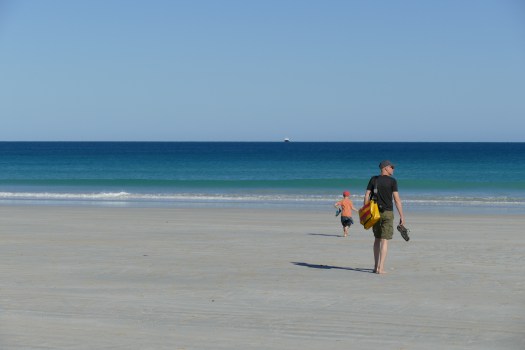

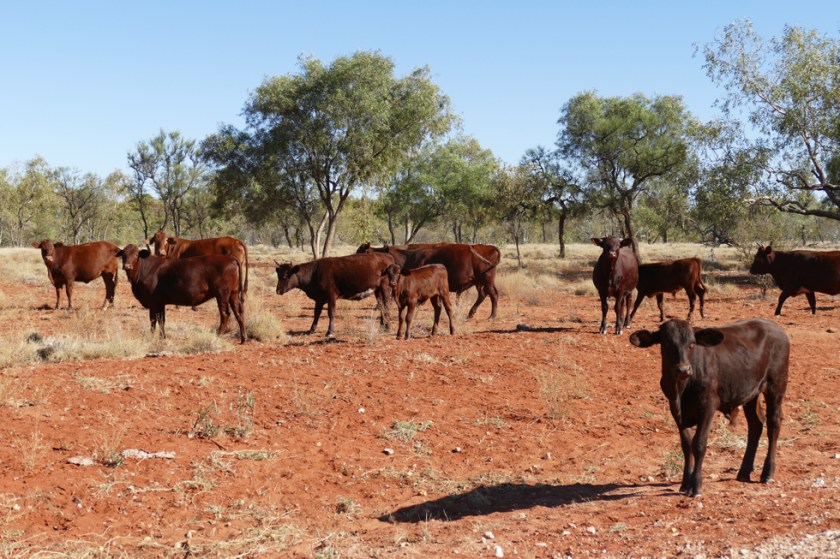
We’ve just spent the last seven days driving through the outback east and northeast of Alice Springs, and I must admit that I just LOVE the outback. Endless horizons, endless dirt roads, endless starry skies. It just doesn’t get better. Some numbers to make you understand how remote it is here: the density of the Northern Territory is 0,16/km2. Compare this to Norway with 16/km2 or Switzerland with 195/km2. Or shocking 6777/km2 in Hongkong. No wonder we hardly meet another car during a long day’s drive.
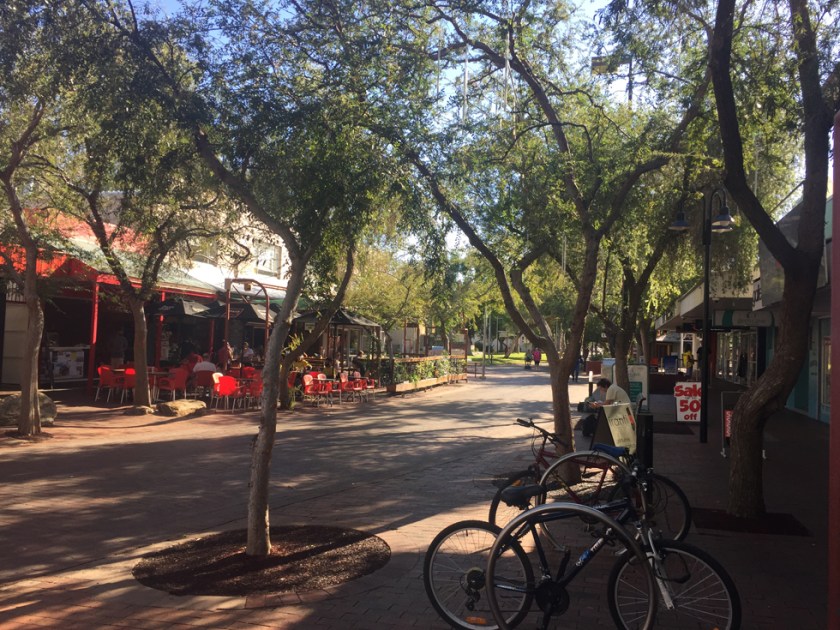
But before we got here, we spent a couple of days in Alice Springs. We had heard quite a bit about Alice Springs, both positive and negative. But our impression was entirely positive. The town is very pleasant, green, clean and tidy, with an inviting main road lined with cafés, art galleries and souvenir shops.
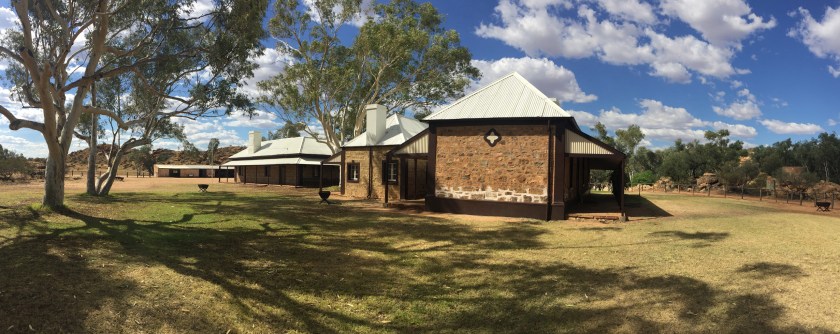
During the two days here we visited some of the towns attractions like the Museum of The Royal Flying Doctors Service and the Alice Springs Telegraph Station. The Telegraph Station was midway along the Overland Telegraph Line from Darwin to Adelaide, which played a key role in Australia’s development. Opened in 1872, the line suddenly reduced the isolation of Australians from the rest of the world.
From Alice we continued east along the northern part of the Binns Track. This is one of Australia’s iconic 4WD trips, 2191 kilometres long all together, starting in Mount Dare in South Australia and going all the way up to the Kimberley. The section we chose to drive heads east through the East MacDonnell Ranges and up to Davenport Ranges National Park, ending in Tennant Creek back on the Stuart Highway. It is far less crowded and less touristy than the West MacDonnells, which we liked a lot.


It’s all about beautiful gorges (the pictures above are from a beautiful hike in John Hayes Rockhole), mountain ranges and downs and plateaus, passing huge outback stations. Some of them have opened their properties to tourists and offer supplies, meals, accommodation, camping and sometimes local tours.
We stopped at several of them, though liked one of them more than all the others: Hale River Homestead.
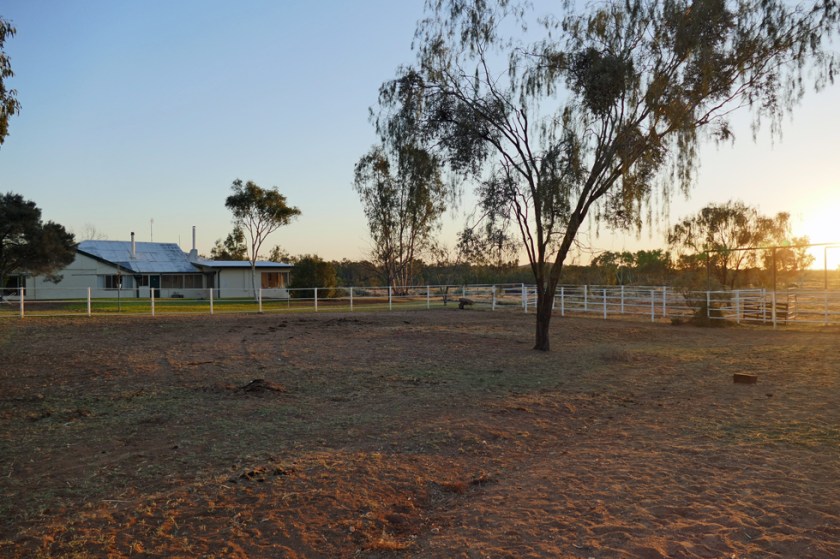
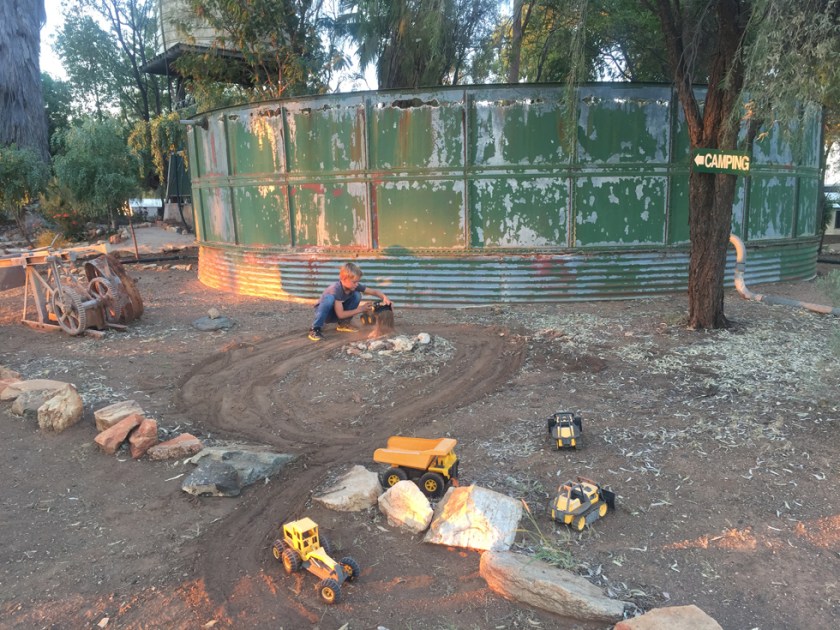
The station is a 3000 square kilometres working cattle station and is one of the original properties settled in Central Australia in the early 1900s. We had intended to stay one night, but stayed two. I was overwhelmed with the beauty of the place and the hospitality of its owners. A kind of peacefulness overcame us here. Robin was busy playing with the grandson of the owners and we didn’t see much to him while being at the homestead. One evening we enjoyed a homecooked meal, sitting around a big table together with the owners and two other guests, listening to their stories about droving, farming and the old days.

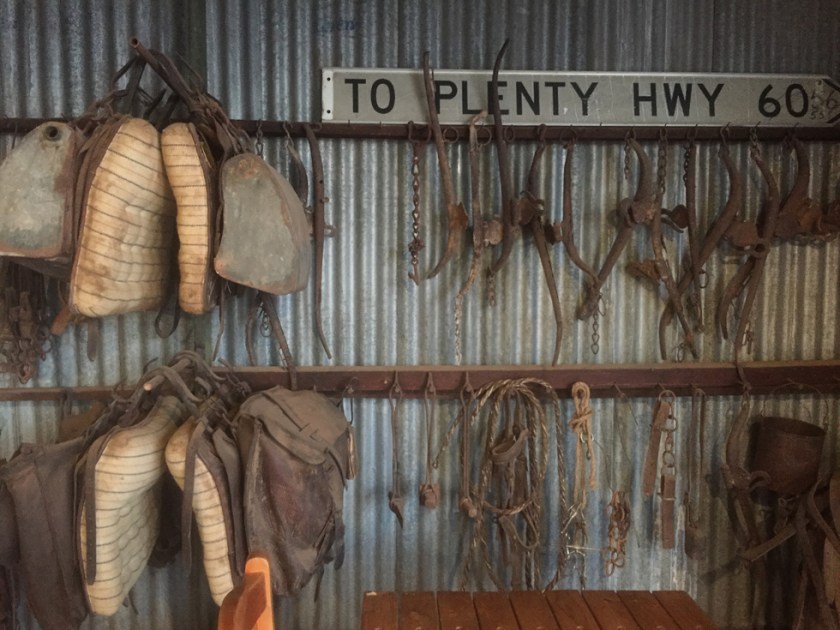
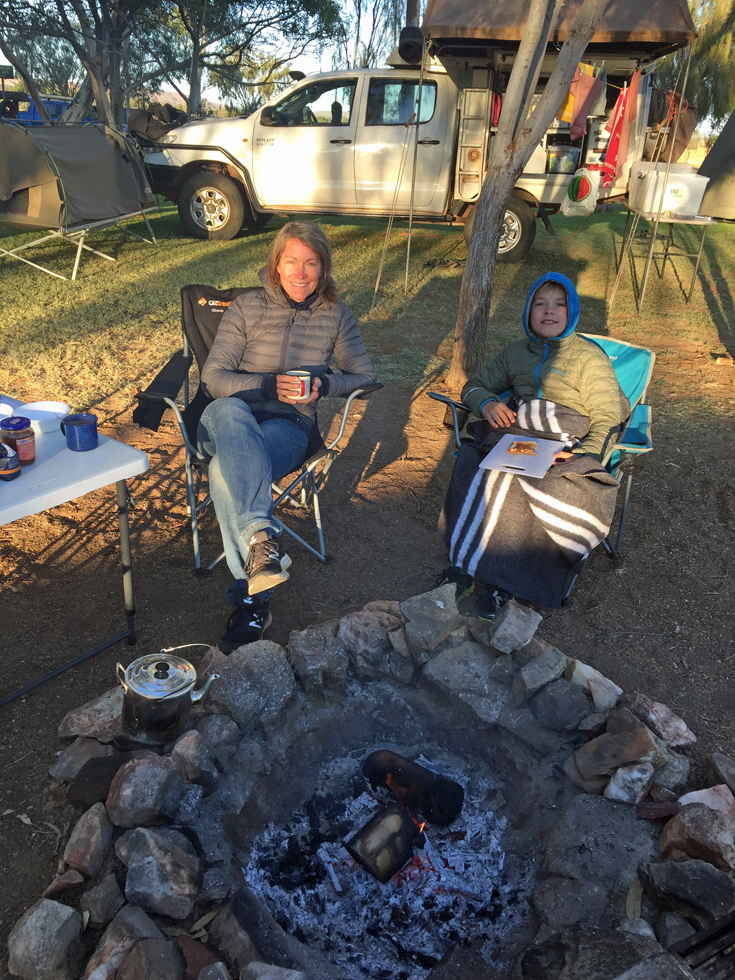
One day we drove to nearby Arltunga, the remains of Central Australia’s first town, born out of a gold rush in the late 1800s. We explored old mine workings, residential areas, the refurbished Police Station, the Government Battery and the graveyards. It gave us a good impression of the miner’s life, the harsh conditions due to lack of water, extreme isolation and extreme heat in the summer months.


Next stop was Gemtree, where we joined a fossicking tour. We felt like real gold-diggers, even if we were looking for the gemstone called Garnet, not gold. But we felt the fever, digging deeper and deeper, sieving again and again, waiting for the big one… We didn’t find any big ones, but plenty of small ones, and had a lot of fun! And I will be able to have made some jewellery out of it, once we get home.


Further on we drove to a bush camp called Tower Rock, a little sideway to Binns Track. Imagine a plain surrounded by huge red boulders, ghost gums and grass. All to ourselves. Absolutely stunning!

We liked it so much out here, that we didn’t leave after one night, but spent the most relaxing day here. The day started with Robin and me climbing the closest boulder to enjoy the sunrise. After breakfast we did some home schooling, different subjects like sports, geometry, natural science and German being on the agenda.


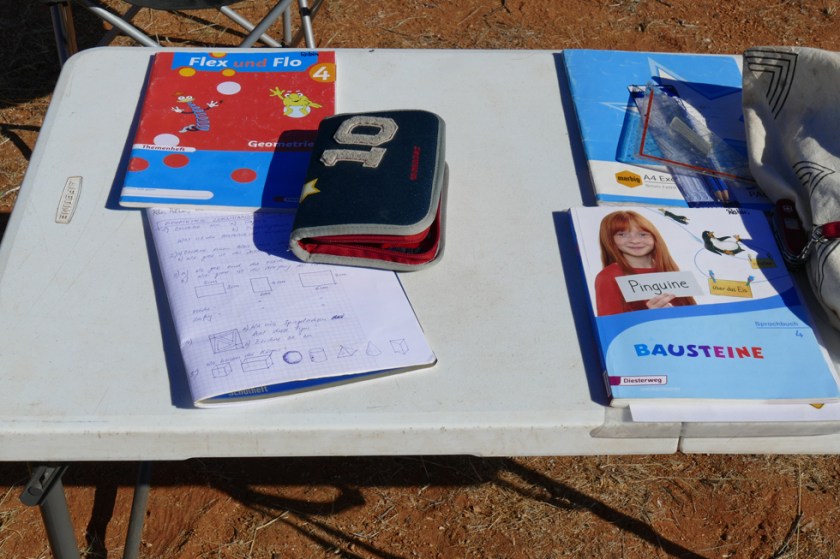
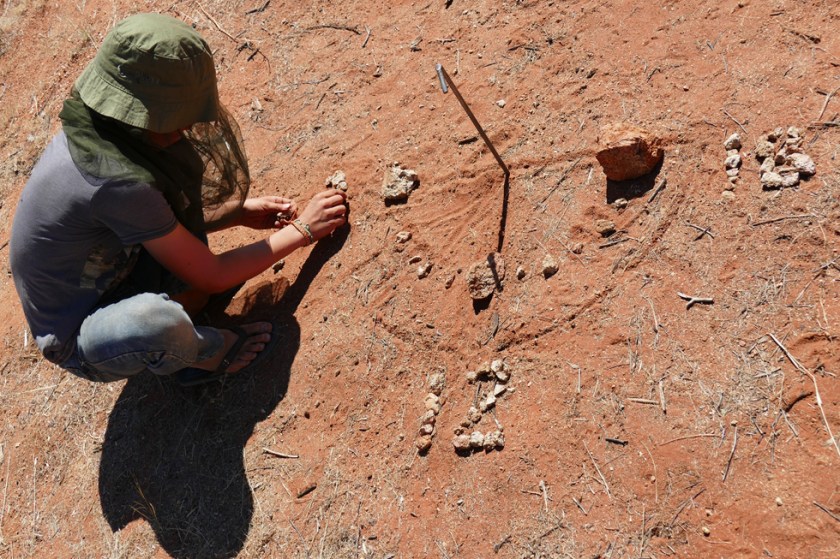
There was also plenty of time to play, read, collecting firewood and another hike up to the highest point with an amazing view.


In the evening we sat around the campfire and talked about how it will be once we get home. A trip like this puts things into perspective, no doubt. You get to know yourself better, find your limits, define what’s essential. We’re all quite curious about how this long time abroad will mint us. Time will show. Right now, we’re just grateful for being here, together.

 RCD on Walkabout